All Games
456 games
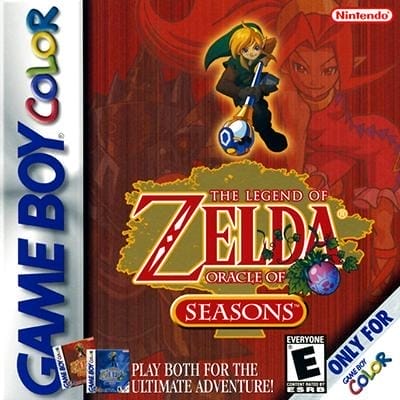
The Legend of Zelda: Oracle of Seasons
The Legend of Zelda: Oracle of Seasons and The Legend of Zelda: Oracle of Ages are 2001 action-adventure games developed by Flagship and published by Nintendo for the Game Boy Color. They are the seventh and eighth installments in the Legend of Zelda series. The player controls Link from an overhead perspective. In Seasons, the Triforce transports Link to the land of Holodrum, where he sees Onox kidnap Din, the Oracle of Seasons. In Ages, the Triforce transports Link to Labrynna, where Veran possesses Nayru. The main plot is revealed once the player finishes both games. Link is armed with a sword and shield as well as a variety of secondary weapons and items for battling enemies and solving puzzles. The central items are the Rod of Seasons, which controls the seasons in Holodrum, and the Harp of Ages, which lets Link travel through time in Labrynna.
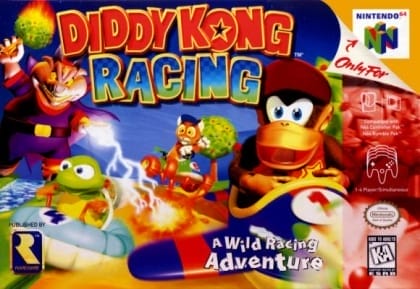
Diddy Kong Racing
Diddy Kong Racing is a 1997 kart racing game developed and published by Rare for the Nintendo 64. The game revolves around Diddy Kong and his friends' attempt to defeat the intergalactic antagonist, a wizard pig named Wizpig, through winning a series of races. The player takes control of any of the featured characters throughout the game. Diddy Kong Racing features five worlds with four racetracks each, and the ability to drive a car, hovercraft, or pilot an aeroplane. Development began after the release of Killer Instinct 2 (1996), and was intended to be an adventure game known as Wild Cartoon Kingdom in its early stages. As time progressed, the focus of development shifted from a Walt Disney World-influenced racing game to a unique title named Pro-Am 64, in which Nintendo had no involvement.
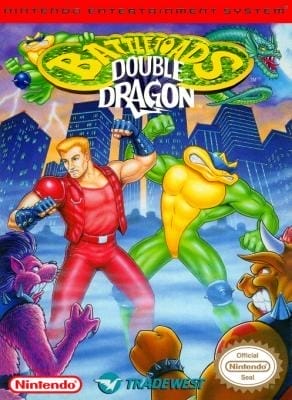
Battletoads & Double Dragon
Battletoads/Double Dragon (fully titled Battletoads & Double Dragon - The Ultimate Team) is a 1993 beat 'em up developed by Rare and published by Tradewest. It was originally released for the Nintendo Entertainment System and later ported to the Mega Drive/Genesis, Super NES, and Game Boy. The SNES version was released on the Nintendo Classics service in September 2024; it was the game's first re-release as it was not released on the Rare Replay collection. The Ultimate Team is a crossover of Technos Japan's Double Dragon and Rare's Battletoads game franchises, although Technos had little or no credited involvement in production beyond providing the Double Dragon license. The game features the characters from the Double Dragon series, Billy and Jimmy Lee, two young martial arts experts; also included are the three humanoid toad protagonists from the Battletoads game. It is also the first Battletoads game to feature all three toads as playable characters.
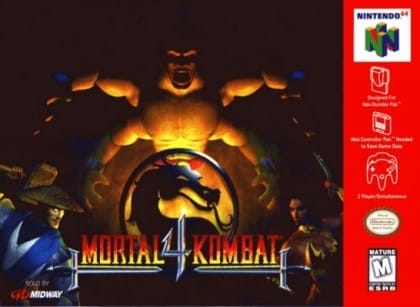
Mortal Kombat 4
Mortal Kombat 4 is a 1997 fighting game developed and published by Midway for arcades. It is the fourth main installment in the Mortal Kombat franchise, and a sequel to 1995's Mortal Kombat 3. It is also the first title in the series to use 3D computer graphics, as well as the last in the series to have an arcade release. The game was ported to the PlayStation, Nintendo 64, Microsoft Windows, and Game Boy Color in 1998, followed by an updated version, titled Mortal Kombat Gold, for the Dreamcast in 1999. The gameplay system in Mortal Kombat 4 is similar to that of the previous games; one of the most notable additions is the use of weapons and objects during fights. The storyline chronicles the attack from the corrupted Elder God Shinnok against his former comrades who trapped him in the Netherealm many years prior to the beginning of the series.
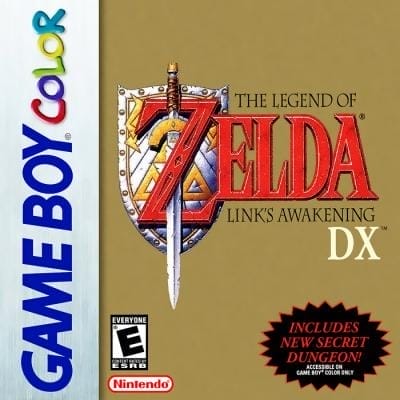
The Legend of Zelda: Link's Awakening DX
The Legend of Zelda: Link's Awakening DX is a 1998 action-adventure game developed and published by Nintendo for the Game Boy Color. The game is a colorized version of the 1993 Game Boy title The Legend of Zelda: Link's Awakening, in which protagonist Link must fight monsters, explore dungeons and solve puzzles to escape from Koholint Island. The DX version of Link's Awakening features gameplay additions including a color-themed dungeon and support for the Game Boy Printer. Upon release, Link's Awakening DX was critically acclaimed, with reviewers commending the game on the strengths of the original title and welcoming the addition of color graphics and new features, although noting the additions were largely insubstantial compared to the original game. The DX version of Link's Awakening has retrospectively been cited by critics as one of the best games for the Game Boy and Game Boy Color systems.
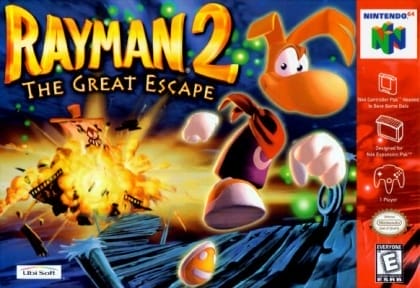
Rayman 2: The Great Escape
Rayman 2: The Great Escape is a 1999 platform game developed by Ubi Pictures and published by Ubi Soft for the Nintendo 64, Windows, Dreamcast and PlayStation. The game centers on the titular character Rayman, who is tasked with saving the fantastical land of the Fairy Glade from an army of robotic pirates led by Admiral Razorbeard. An enhanced port titled Rayman Revolution was developed by Ubi Soft Annecy for the PlayStation 2, and released in 2000. An alternative remake known as Rayman 2 Forever was developed by Ubi Studios for the Game Boy Color. Rayman 2 was critically acclaimed for its gameplay, graphics and accessibility.
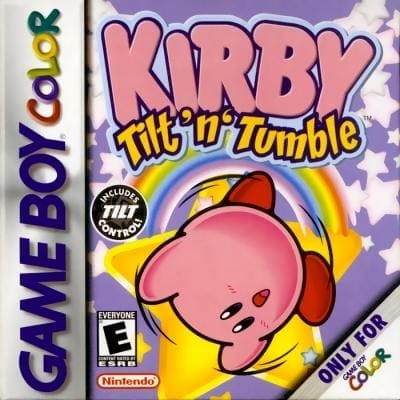
Kirby: Tilt 'n' Tumble
It was the sixth best selling Game Boy Color game in Japan, with 563,914 copies sold. A planned sequel to the original game, titled Kirby Tilt 'n' Tumble 2, was shown at Nintendo Space World 2001, which was being developed for the GameCube and was planned to require Game Boy Advance connectivity. Video game designer Shigeru Miyamoto demonstrated the gameplay, showing Kirby falling off a ledge on the television screen to the Game Boy Advance screen. He also mentioned that the player could write "programs", such as minigames, into the game cartridge. Originally planned for release in May 2002, the game was retitled as Roll-O-Rama, replacing Kirby with a marble ball. While shown at E3 2002, the title was never released. Koro Koro Puzzle Happy Panechu! WarioWare: Twisted! Yoshi's Universal Gravitation 1. ^Known in Japan as Korokoro Kirby (Japanese: コロコロカービィ, Hepburn: Korokoro Kābī; Roly-Poly Kirby) 1. ^Plant, Logan (2023-02-08).
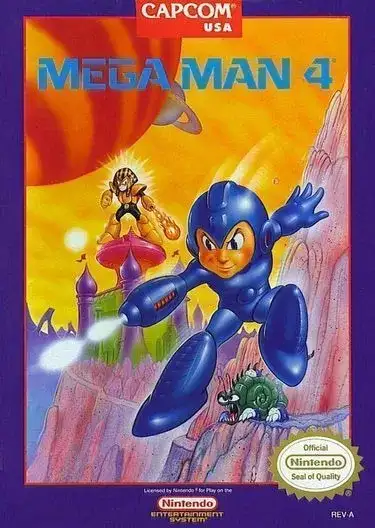
Mega Man 4
Mega Man 4 (stylized as Mega Man IV) is a 1991 platform game developed and published by Capcom for the Nintendo Entertainment System. It is the fourth installment of the original Mega Man series and was originally released in Japan on December 6, 1991. The game was released in North America the following January, and in Europe in August 1993 by Nintendo. The game's story takes place after the third defeat and supposed death of Dr. Wily in Mega Man 3, and features the Earth coming under threat from the mysterious Russian scientist Dr. Cossack and his eight "Robot Masters". Fearing the worst, Dr. Light sends Mega Man "Mega Man (character)") to save the world once again. Mega Man 4 carries on the same action and platforming gameplay as the first three games, in which the player completes a series of stages in any order and adds the weapon of each stage's boss to Mega Man's arsenal.
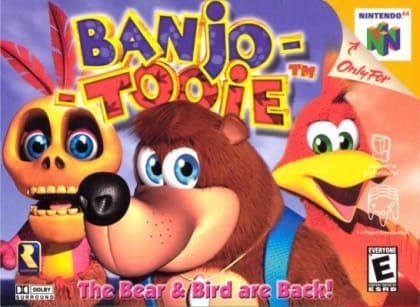
Banjo-Tooie
Banjo-Tooie is a 2000 platform game developed by Rare and published by Nintendo for the Nintendo 64 console. It is the second game in the Banjo-Kazooie series and the sequel to Banjo-Kazooie "Banjo-Kazooie (video game)"). The game follows the returning protagonists Banjo and Kazooie as they attempt to stop the plans of the witch Gruntilda and two of her sisters, who intend to vaporise the inhabitants of the game's island setting. The game features worlds "Level (video games)") significantly larger than those of its predecessor, requiring the player to complete challenges such as solving puzzles, jumping over obstacles, collecting items, and defeating opponents. It also includes a Widescreen format, and a multiplayer mode in which up to four players can compete in several minigames repurposed from the main campaign. Development of the game started in June 1998, directly after the release of its predecessor.
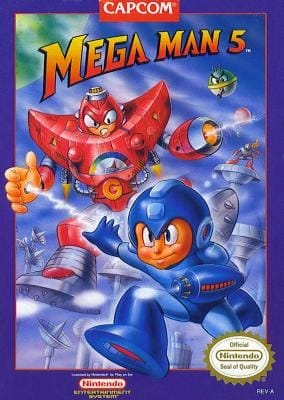
Mega Man 5
Mega Man 5 is a 1992 platform game developed and published by Capcom for the Nintendo Entertainment System. It is the fifth installment of the original Mega Man series and was released in Japan on December 4, 1992. It saw a release during the same month in North America and in 1993 in Europe by Nintendo. It takes place two months after the events of Mega Man 4. Mega Man's brother and ally Proto Man apparently leads a group of menacing robots in attacks on the world and kidnaps his creator Dr. Light, forcing Mega Man to fight against his brother. Assisted by Dr. Cossack, the scientist he met in the previous game, Mega Man has to figure out the truth about what happened and rescue Dr. Light. Mega Man 5 carries over the same graphical style and action-platforming gameplay as the four preceding chapters in the series. The game introduces a new character, Beat, a robotic bird that the player can use as a weapon once a series of eight collectible letters are found.
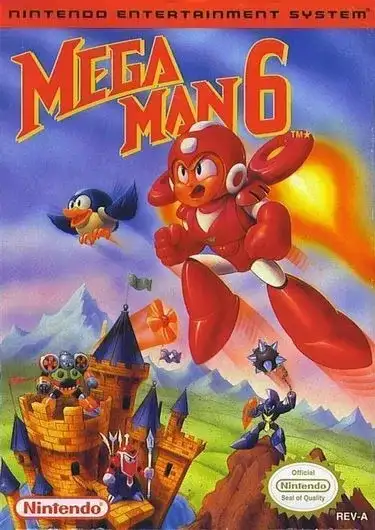
Mega Man 6
Mega Man 6 (stylized as MEGA MAN VI), known in Japan as Rockman 6: The Greatest Battle in History!!, is a 1993 platform game developed and published by Capcom for the Nintendo Entertainment System. It is the sixth installment in the original Mega Man series. It was originally released in Japan by Capcom in 1993, and in North America by Nintendo in 1994. It was included in the Mega Man Anniversary Collection released in 2004. Its first release in Europe and PAL region was June 11, 2013, for the Virtual Console on the Nintendo 3DS, nearly twenty years after the game's initial release. The story of Mega Man 6 opens during a competitive robot fighting tournament with entrants from all around the globe. A villainous figure known as "Mr. X" announces he has reprogrammed the eight powerful finalists with the intent to use them for taking over the world.
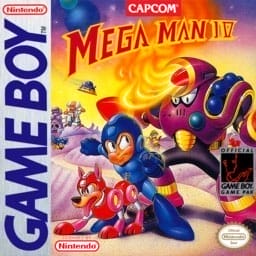
Mega Man IV
Mega Man IV is a 1993 platform game developed by Minakuchi Engineering and published by Capcom for the Game Boy. It is the fourth game in the handheld series of the Mega Man "Mega Man (original series)") franchise. The game continues the quest of the protagonist Mega Man "Mega Man (character)") in the struggle with his long-time nemesis Dr. Wily, who sends out a disruptive radio signal to cause a rampage, citywide destruction from dormant robots. Mega Man IV features the traditional action platforming gameplay of the prior games while introducing one new feature, the ability to purchase items with power-ups found throughout each stage. As with previous Game Boy releases, the game incorporates gameplay elements and bosses from two sequential Nintendo Entertainment System (NES) games: Mega Man 4 and Mega Man 5. The game received positive reviews from critics, with significant praise for its improvements from its predecessors, though its low level of innovation was criticized.
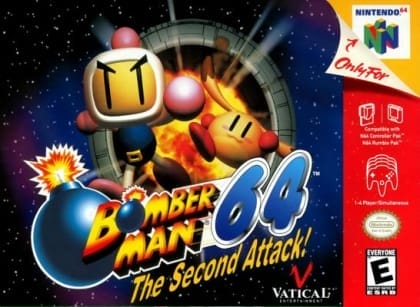
Bomberman 64: The Second Attack!
Bomberman 64: The Second Attack! is a 1999 action video game, the sequel to 1997's Bomberman 64.
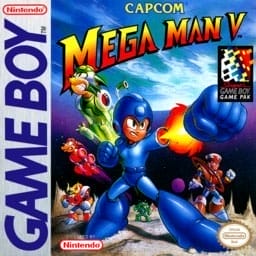
Mega Man V
Mega Man V is a video game developed by Minakuchi Engineering and published by Capcom for the Game Boy. It is the fifth game in the handheld series of the Mega Man "Mega Man (original series)") franchise. The game follows the adventures of the protagonist Mega Man "Mega Man (character)") as he must defend the Earth from a group of powerful robots from outer space called the Stardroids. Mega Man V is unique among the Game Boy Mega Man games as it features original bosses rather than recycling those from the Nintendo Entertainment System (NES) Mega Man games. Mega Man V is an action platformer in which the player selects stages in a non-linear fashion and acquires the weapon of each boss defeated to use as their own. Although it plays nearly identical to other games in the series, Mega Man V features a new default weapon (the powerful "Mega Arm") and introduces Tango, a new assistant character.
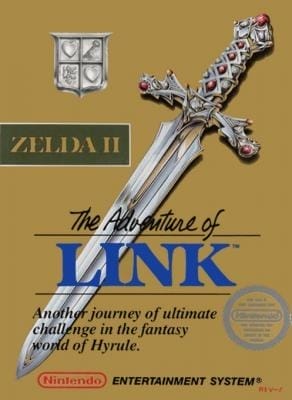
Zelda II: The Adventure of Link
Zelda II: The Adventure of Link is a 1987 action role-playing game developed and published by Nintendo. It is the second installment in the Legend of Zelda series, and was released in Japan for the Famicom Disk System on January 14, 1987, less than a year after the Japanese release and seven months before the North American release of the original The Legend of Zelda. Zelda II was released in North America and the PAL region for the Nintendo Entertainment System in late 1988, almost two years after its initial release in Japan. The Adventure of Link is a direct sequel to the original The Legend of Zelda, again involving the protagonist Link, on a quest to save Princess Zelda, who has fallen under a sleeping spell. The game's emphasis on side-scrolling platform and role-playing elements marked a significant departure from its top-down predecessor.
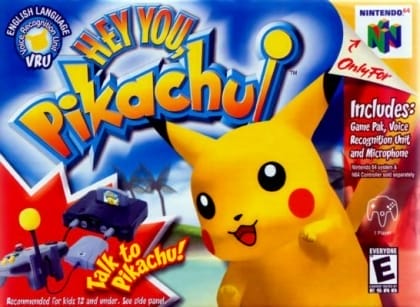
Hey You, Pikachu!
Text is available under the Creative Commons Attribution-ShareAlike 4.0 License; additional terms may apply. By using this site, you agree to the Terms of Use and Privacy Policy. Wikipedia® is a registered trademark of the Wikimedia Foundation, Inc., a non-profit organization. Privacy policy About Wikipedia Disclaimers Contact Wikipedia Legal & safety contacts Code of Conduct Developers Statistics Cookie statement Mobile view Search Search - Toggle the table of contents Hey You, Pikachu! [](http://en.wikipedia.org/wiki/Hey_You_Pikachu#)[](http://en.wikipedia.org/wiki/Hey_You_Pikachu#)[](http://en.wikipedia.org/wiki/Hey_You_Pikachu#)[](http://en.wikipedia.org/wiki/Hey_You_Pikachu#)[](http://en.wikipedia.org/wiki/Hey_You_Pikachu#)[](http://en.wikipedia.org/wiki/Hey_You_Pikachu#)[](http://en.wikipedia.
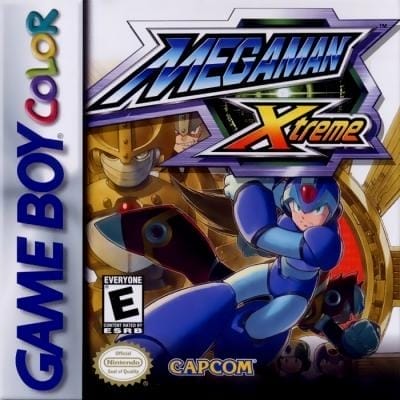
Mega Man Xtreme
Mega Man Xtreme is a 2000 platform game developed and published by Capcom for the Game Boy Color. It is a spin-off title in the Mega Man X series of video games that originated on the Super Nintendo Entertainment System. Mega Man Xtreme takes place within the series timeline during the 22nd century, in which a group of "Maverick" androids "Android (robot)") called the "Shadow Hunters" hack "Hacker (computer security)") into the world's "Mother Computer" system, destabilize all of the networks, and allow other Mavericks to cause rampant destruction all over the world. The heroic "Maverick Hunter" X is tasked with going into cyberspace to relive his past missions and put a stop to the group's plans. Mega Man Xtreme contains the same gameplay as its home console counterparts. An action-platform game, the player must attempt a series of stages, gain various power-ups such as armor parts, and defeat each stage's boss, assimilating its signature weapon.
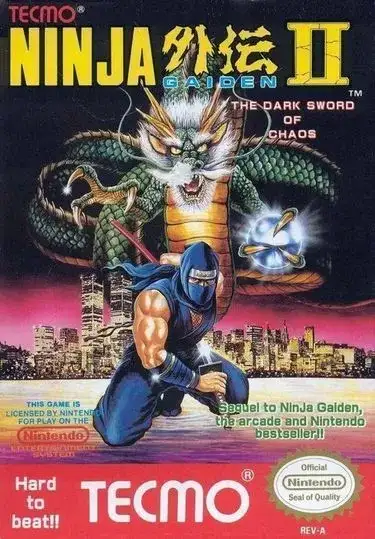
Ninja Gaiden II: The Dark Sword of Chaos
Ninja Gaiden II: The Dark Sword of Chaos, known in Europe as Shadow Warriors II: The Dark Sword of Chaos, is a 1990 hack and slash platform game developed and published by Tecmo for the Nintendo Entertainment System. It is the second installment in the Ninja Gaiden trilogy for the NES and was released in North America and Japan in 1990, and in Europe in 1994. An arcade version was released by Nintendo for their PlayChoice-10 system in 1990. The events in Ninja Gaiden II take place one year after the events in the first Ninja Gaiden game. The story involves an evil emperor named Ashtar who, after hearing of Jaquio's defeat, devises a plan to take over the world and engulf it in darkness through an evil sword called the Dark Sword of Chaos. A U.S. Army agent named Robert T. Sturgeon recruits the game's protagonist Ryu Hayabusa and tells him that he is the only person who can stop Ashtar.
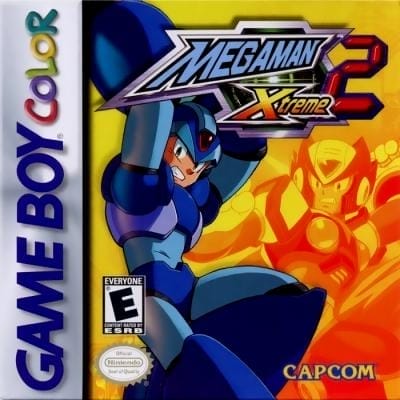
Mega Man Xtreme 2
Mega Man Xtreme 2 is a 2001 platform game developed and published by Capcom for the Game Boy Color. It is a spin-off title in the Mega Man X series and a follow-up to Mega Man Xtreme, which was released the previous year. Mega Man Xtreme 2 is set in the 22nd century between the events of Mega Man X3 and Mega Man X4. The DNA souls of robots known as "Reploids" are being stolen and used to create an army of undead "Mavericks". The "Maverick Hunters" X and Zero quickly spring into action with the help of their young ally Iris. Gameplay in Mega Man Xtreme 2 is similar to that of earlier Mega Man games, retaining most elements from the home-console versions of the series, but adding the ability to switch between characters, use unique abilities and obtain upgrades through "DNA Souls" collected from fallen enemies. Each character has a different set of stages and bosses; defeating the stage's boss will earn the character a special weapon.
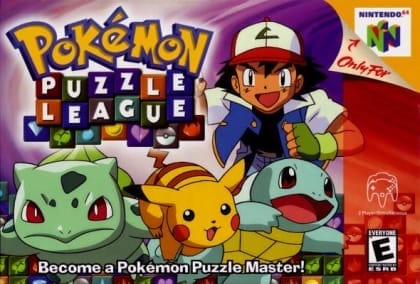
Pokémon Puzzle League
Pokémon Puzzle League is a puzzle video game in the Puzzle League series developed by Nintendo Software Technology and published by Nintendo for the Nintendo 64. Released in North America on September 25, 2000, and in Europe on March 2, 2001, its Puzzle League-based gameplay has a focus on puzzle-based strategy in the game's grid-based format. To advance to new levels, players are required to combat the game's trainers and gym leaders, similar to the ones featured in Pokémon Red, Blue, and Yellow. One of several games based on the Pokémon anime, it features lead protagonist Ash Ketchum, his Pikachu, his companions Brock and Misty, the Kanto Gym Leaders, and other characters from the series. Pokémon Puzzle League received mostly positive reviews from critics. Pokémon Puzzle Challenge, a companion puzzle game, was released for the Game Boy Color in 2000. Re-releases of the game followed in 2008 for the Wii via Virtual Console, and in 2022 on the Nintendo Classics service.
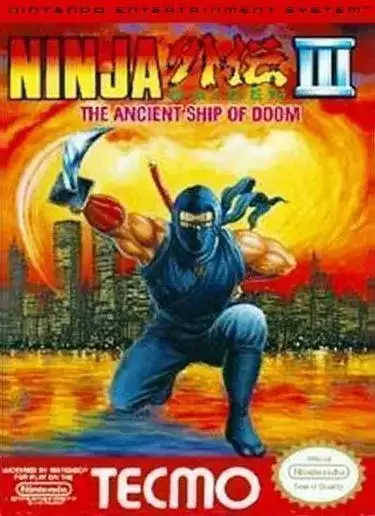
Ninja Gaiden III: The Ancient Ship of Doom
Ninja Gaiden III: The Ancient Ship of Doom is a 1991 platform game developed and published by Tecmo for the Nintendo Entertainment System (NES). It was later ported to the Atari Lynx by Atari Corporation in 1993, and was also re-released as part of Tecmo's Ninja Gaiden Trilogy Super NES compilation in 1995. Long after, it was released for the Virtual Console service in North America in 2008 for the Wii and in 2013 for the Nintendo 3DS. It was designed by Masato Kato, who took over for Hideo Yoshizawa, the designer of the first two games in the NES series. The game is the third installment of the Ninja Gaiden trilogy in terms of release, but is chronologically set between the first two games in the series, Ninja Gaiden and Ninja Gaiden II: The Dark Sword of Chaos.
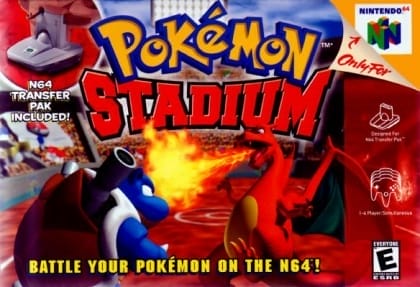
Pokémon Stadium
Pokémon Stadium is a 1999 strategy video game developed and published by Nintendo for the Nintendo 64. The gameplay revolves around a 3D turn-based battling system using the 151 Pokémon from the Game Boy games Pokémon Red, Blue, and Yellow, with several in-game challenges for players to overcome. The game includes four "Cups", each of which is a series of three-on-three Pokémon battles against an ordered lineup of opponents. The "Gym Leader Castle" mode involves battles against several boss opponents who appeared in the Game Boy games. Pokémon Stadium also features mini-games and numerous features available through its compatibility with Pokémon Red, Blue, and Yellow. Using the Transfer Pak accessory that was bundled with the game, players are able to view, organize, store, trade, and battle using Pokémon uploaded from Pokémon Red, Blue, and Yellow. It was the first Stadium title released in Western regions, succeeding the Japan-only 1998 Nintendo 64 release Pocket Monsters Stadium.
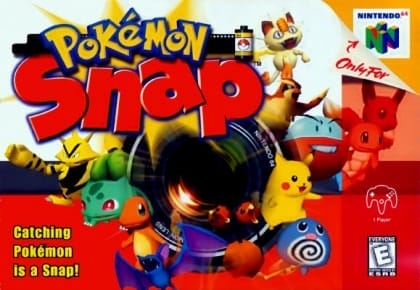
Pokémon Snap
Pokémon Snap is a 1999 photographyvideo game developed by HAL Laboratory and published by Nintendo for the Nintendo 64. It was first released in Japan in March 1999 and was later released in July 1999 in North America and in September 2000 for PAL regions. It is a spin-off "Spin-off (media)") game in the Pokémon "Pokémon (video game series)") series, being one of the first console-based games for it, and featuring many Pokémon rendered for the first time in real-time 3D. The game was re-released for the Wii's Virtual Console in December 2007, for the Wii U's Virtual Console in 2016, and for the Nintendo Classics service in June 2022. Originally announced as a Nintendo 64DD title, the development of Pokémon Snap was moved to the Nintendo 64 due to the 64DD's delays. The gameplay is similar to other first-person games, viewing from the perspective of protagonist Todd Snap as he moves automatically on a rail.
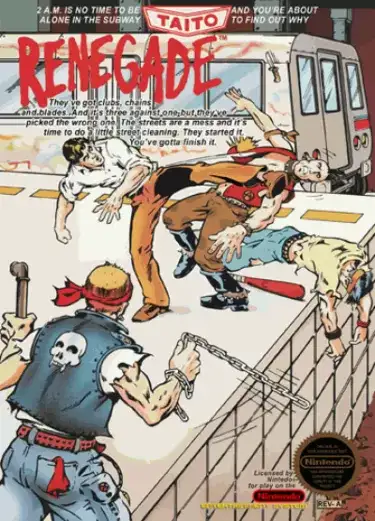
Renegade
Nekketsu Kōha Kunio-kun#cite_note-12), released as Renegade in the West, is a 1986 beat 'em up video game developed by Technōs Japan and published by Taito for arcades.#cite_note-GM-13) In the original Japanese version, the game revolves around Kunio, a high school delinquent who must stand up against a series of rival gangs that are targeting his classmate Hiroshi. In the Western version, the player controls a street brawler who must face four different gangs in order to rescue his girlfriend, who is being held captive by a mob boss. Conceptualized and designed by Yoshihisa Kishimoto, the game was semi-autobiographical, partly based on his own teenage high school years getting into daily fights, with Kunio partly based on himself. He also drew inspiration from the Bruce Lee martial arts film Enter the Dragon (1973), which inspired the game's "knock-down-drag-out" fights, along with his own altercations as a youth.
Browse our collection of 456 Games retro games, all playable instantly in your browser. No download required. Play classic games online in your browser and save your progress anytime.