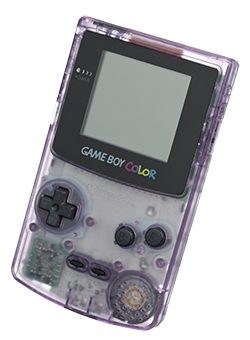
Game Boy Color
The Game Boy Color is an 8-bit handheld game console developed by Nintendo. It was released in Japan on October 21, 1998, and in international markets the following month. Compared with the original Game Boy, the Game Boy Color features a color TFT screen instead of monochrome, a CPU running at up to twice the speed, and four times as much memory. It is backward compatible with games developed for its predecessor. The Game Boy Color was released during the fifth generation of video game consoles and competed with SNK's Neo Geo Pocket Color, Bandai's Japan-only WonderSwan, and Sega's North America-only Genesis Nomad.
51 games
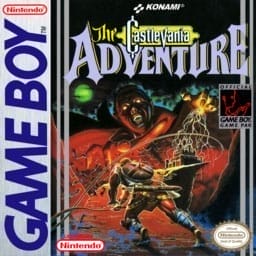
Castlevania: The Adventure
Castlevania: The Adventure is a 1989 platform game developed and published by Konami for the Game Boy. The game is the first in the Castlevania series to be released on a handheld game console. The game was re-released as part of the Konami GB Collection Vol.1 compilation in Japan and Europe, the latter version of which added color support. A remake titled Castlevania: The Adventure ReBirth was released as a WiiWare game for the Wii. The original game is included in the Castlevania Anniversary Collection, which was released in 2019.
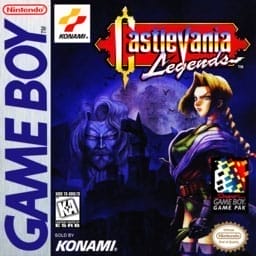
Castlevania Legends
Castlevania Legends is a 1997 action-platform game developed and released by Konami for the Game Boy. The third Castlevania game released for the system, the story follows Sonia Belmont, a vampire hunter battling the first incarnation of Count Dracula. The game was conceived as a prequel to all other games in the Castlevania series; however, it later became recognized as non-canon. Castlevania Legends was released in Japan on November 27, 1997 and in Europe and North America on March 11, 1998. The game received mixed to negative reviews, with criticism directed towards its lack of difficulty, short length, technical issues, and unoriginality. The game received its first official re-release on the Nintendo Classics service on October 31, 2023. Castlevania Legends is a side-scrollingplatformer where the protagonist, Sonia Belmont, armed with a whip, charges through five stages of Count Dracula's castle, filled with various enemies and candles containing items.
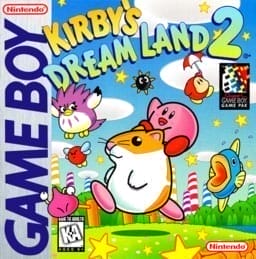
Kirby's Dream Land 2
Kirby's Dream Land 2 is a 1995 platform game developed by HAL Laboratory and published by Nintendo for the Game Boyhandheld video game console. It was released in Japan on March 21, 1995, in North America on May 1, 1995, in Europe on July 31, 1995, and in Australia on November 22, 1995. Kirby's Dream Land 2 continues the adventures of Kirby from Kirby's Dream Land and Kirby's Adventure, adding three animal friends to aid Kirby in battle. It can be played on the Super Game Boy, and gives slight changes to the game, such as adding a custom color scheme, a special game border, and a few new sound effects. The game was re-released on the 3DS'sVirtual Console in Japan on February 15, 2012, in PAL regions on May 17, 2012, and in North America on August 1, 2013. Kirby's Dream Land 2 is also included in Kirby's Dream Collection for the Wii. The plot follows Kirby, a resident of Dream Land.
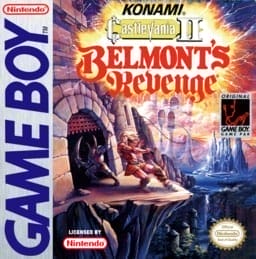
Castlevania II: Belmont's Revenge
Castlevania II: Belmont's Revenge is a 1991 platform game developed and published by Konami for the Game Boy. It is the second Castlevania title for the Game Boy and serves as a sequel to Castlevania: The Adventure. Belmont's Revenge is included in color in the European Konami GB Collection Vol.4 compilation. Set fifteen years after the events of Castlevania: The Adventure, Dracula returns and kidnaps Christopher Belmont's son Soleil at his coming of age feast, and turns him into a demon. With Soleil's mystical powers, Dracula retakes human form and rebuilds his castle, forcing Christopher to confront Dracula once again to save his son and Transylvania. Unlike the previous Game Boy title, sub-weapons in the form of holy water and axes (or the cross in the Japanese version) are available in the game. There are four initial levels, each taking place in a separate castle with a unique theme such as air, plant, earth, and crystal, and can be completed in any order, similar to Mega Man.
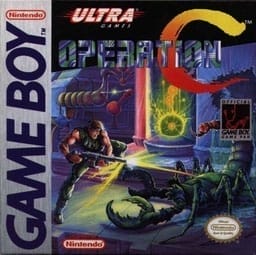
Operation C
Operation C (released as Contra (コントラ, Kontora)#cite_note-Jpntitle-3) in Japan and as Probotector in the PAL region) is a 1991 run and gun video game by Konami released for the Game Boy. It is a sequel to Super Contra, and the first portable installment in the Contra series "Contra (series)"). Operation C features gameplay and graphics similar to the Nintendo Entertainment System versions of Contra and Super Contra. The game has a total of five stages, many of which share design similarities to Super C (the NES version of Super Contra). The three odd-numbered stages (1, 3, and 5) are played from a side-view perspective, while the two even-numbered ones (2 and 4) are top-view. The soundtrack consists primarily of arranged background music from the original Contra, with the exception of a few tunes (namely the Area 2 theme, the Stage Select theme, the sub-boss theme in Area 3, and the ending theme).
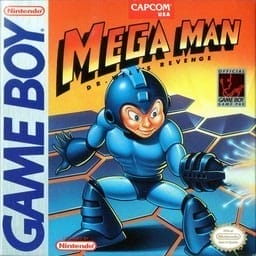
Mega Man: Dr. Wily's Revenge
Mega Man: Dr. Wily's Revenge, also known as Mega Man in Dr. Wily's Revenge or in Japan as Rockman World is a platform game developed by Minakuchi Engineering and published by Capcom for the Game Boy. It is the first game in the handheld series of the Mega Man franchise. It was released in Japan on July 26, 1991, and was localized in North America that December and in Europe the following year. The game continues the adventures of the android hero Mega Man "Mega Man (character)") as he once again confronts the evil Dr. Wily, who has dispatched his revived "Robot Masters" and a new "Mega Man Killer" named Enker. Dr. Wily's Revenge is an action and platform game in the same vein as the Nintendo Entertainment System (NES) Mega Man games. The player is tasked with completing a series of four stages in any order desired. Beating a stage's boss will earn the player a special weapon that can be selected at will and used throughout the rest of the game. Dr.
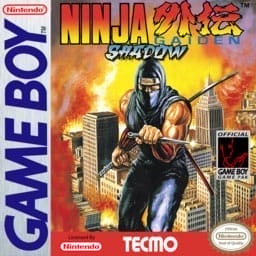
Ninja Gaiden Shadow
Ninja Gaiden Shadow, released in Japan as Ninja Ryūkenden GB: Matenrō Kessen (Japanese: 忍者龍剣伝GB 摩天楼決戦; literally "Legend of the Ninja Dragon Sword GB: Skyscraper Showdown") and in Europe and Australia as Shadow Warriors, is a 1991 hack and slash platform game developed by Natsume Co., Ltd. and published by Tecmo for the Game Boy. It is a prequel to the NES Ninja Gaiden trilogy.
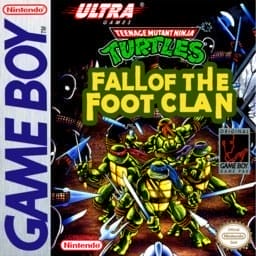
Teenage Mutant Ninja Turtles: Fall of the Foot Clan
Teenage Mutant Ninja Turtles: Fall of the Foot Clan is a 1990 action-platform game developed and published by Konami for the Game Boy. The game is based on the 1987 _Teenage Mutant Ninja Turtles_television series "Teenage Mutant Ninja Turtles (1987 TV series)"). The Turtles' first Game Boy game is a platforming-style game, where Leonardo, Michelangelo, Donatello, and Raphael must battle against Krang and Shredder and save their friend April O'Neil in the process. The game was re-released as part of Teenage Mutant Ninja Turtles: The Cowabunga Collection in 2022.
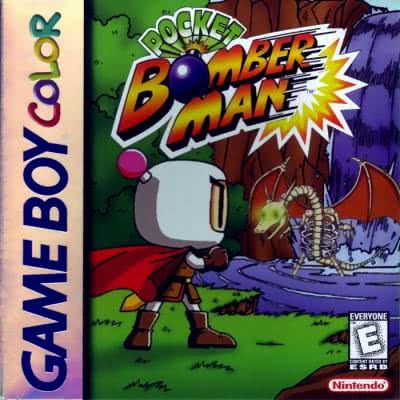
Pocket Bomberman
In contrast to the overhead view of other Bomberman titles, Pocket Bomberman features sidescrolling platformer gameplay. Like other Bomberman games, Bomberman must defeat all enemies in each stage to advance. The game features a total of 5 worlds spanning 25 levels. Each world follows a different theme, including forest, underwater, cloudtops and a dark underworld. At the end of each world is a boss fight. There is one mini game called Jump Mode in which players must guide Bomberman through an Easy, Medium, or Hard course. Bomberman will constantly jump and the player can only place bombs in this mode.
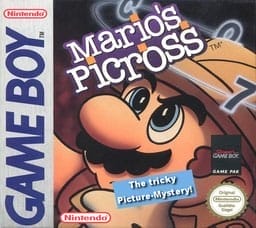
Mario's Picross
Mario's Picross is a 1995 puzzle video game developed by Jupiter and Ape Inc. and published by Nintendo for the Game Boy. It is a compilation of nonogram logic puzzles, and is a part of Nintendo's Picross video game franchise. The game stars Mario who chisels away at puzzle grids to form pictures. The game initially received positive reviews, with reviewers citing its length and addictive nature as a positive, but its grid sizes and absence of typical Mario elements as a negative. Although the game sold well in Japan, it sold poorly in English-speaking regions. As a result of this, the game was followed by two sequels, Mario's Super Picross and Picross 2, released only in Japan. The next game in the Picross franchise published by Nintendo to be released in English-speaking regions would be Picross DS in 2007, twelve years later. Due to its limited sales, the game is somewhat of a cult classic. The game was also available on the Nintendo 3DS through its Virtual Console service.
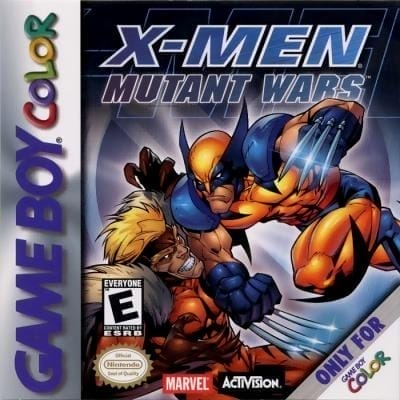
X-Men: Mutant Wars
X-Men: Mutant Wars is a side-scrolling beat 'em up game for Game Boy Color released in 2000. It is the second X-Men titled released for the system. It was released to coincide with the release of the X-Men film on DVD. X-Men: Mutant Wars was followed by a sequel in 2001 titled X-Men: Wolverine's Rage.
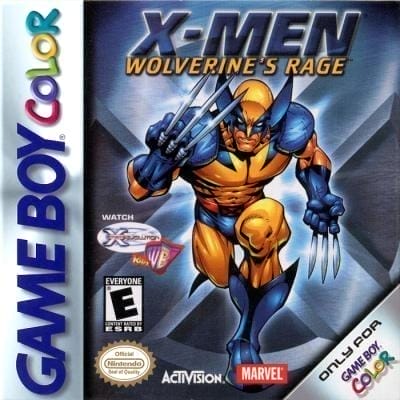
X-Men: Wolverine's Rage
Text is available under the Creative Commons Attribution-ShareAlike 4.0 License; additional terms may apply. By using this site, you agree to the Terms of Use and Privacy Policy. Wikipedia® is a registered trademark of the Wikimedia Foundation, Inc., a non-profit organization. Privacy policy About Wikipedia Disclaimers Contact Wikipedia Legal & safety contacts Code of Conduct Developers Statistics Cookie statement Mobile view Search Search - Toggle the table of contents X-Men: Wolverine's Rage [](http://en.wikipedia.org/wiki/X-Men:_Wolverine's_Rage#)[](http://en.wikipedia.org/wiki/X-Men:_Wolverine's_Rage#)[](http://en.wikipedia.org/wiki/X-Men:_Wolverine's_Rage#)[](http://en.wikipedia.org/wiki/X-Men:_Wolverine's_Rage#)[](http://en.wikipedia.org/wiki/X-Men:_Wolverine's_Rage#)[](http://en.wikipedia.org/wiki/X-Men:_Wolverine's_Rage#)[](http://en.wikipedia.
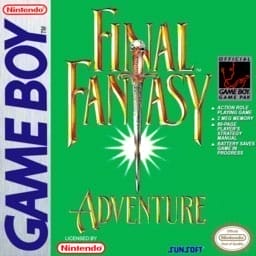
Final Fantasy Adventure
Final Fantasy Adventure, known in Japan as Seiken Densetsu: Final Fantasy Gaiden or simply Seiken Densetsu, and later released in Europe as Mystic Quest, is a 1991 action role-playing game developed and published by Square for the Game Boy. It is a spin-off of the Final Fantasy series and the first game in the Mana series. Originally developed under the name Gemma Knights, it features gameplay roughly similar to that of the original The Legend of Zelda "The Legend of Zelda (1986 video game)"), but with the addition of role-playing statistical elements. A remake, Sword of Mana, was released for the Game Boy Advance in 2003, changing the plot and many gameplay aspects. A second remake was released on mobile phones in Japan which improved the graphics and music of the original version. A third remake, Adventures of Mana, was released for iOS, Android, and PlayStation Vita on February 4, 2016.
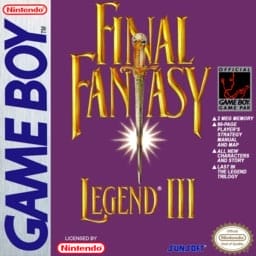
Final Fantasy Legend III
Final Fantasy Legend III, known in Japan as SaGa 3: Jikuu no Hasha, is a role-playing video game developed and published by Square for the Game Boy. The third entry in the SaGa series, it was released in Japan in 1991 and in North America in 1993. A remake for the Nintendo DS was released in 2011 by Square Enix, remaining exclusive to Japan. The Game Boy version was later ported to the Nintendo Switch and released worldwide by Square Enix in 2020, with later ports to Android, iOS and Microsoft Windows in 2021. The game's narrative follows a group of warriors as they fight a god-like being in the past, present, and future. During gameplay, players explore the different time periods, fighting in turn-based battles and raising character power through a combination of experience points, skill leveling, and material-based character classes. Production began in 1990 in parallel with the development of Romancing SaGa for the Super Famicom.
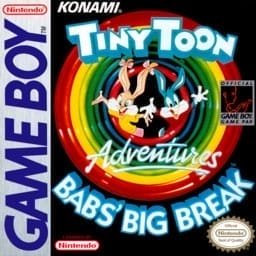
Tiny Toon Adventures - Babs' Big Break
Tiny Toon Adventures: Babs' Big Break is the first Tiny Toon Adventures game released on the Nintendo Game Boy. It was released in 1992 and was developed and published by Konami.
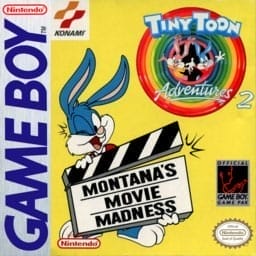
Tiny Toon Adventures 2: Montana's Movie Madness
Tiny Toon Adventures: Montana's Movie Madness (released in Japan as Tiny Toon Adventures 2: Buster Bunny no Kattobi Daibouken) is the second Tiny Toon Adventures game released on the Nintendo Game Boy. It was released in 1993 and was developed and published by Konami.
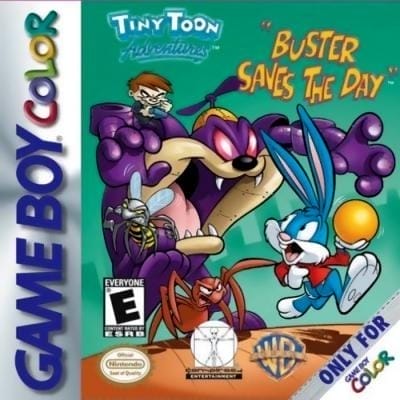
Tiny Toon Adventures: Buster Saves the Day
Tiny Toon Adventures: Buster Saves the Day is the first Tiny Toon Adventures game released on the Nintendo Game Boy Color. It was released on June 29, 2001, in Europe and July 27 in United States and was developed by Warthog and published by Conspiracy Games in North America and Swing! Entertainment in Europe.
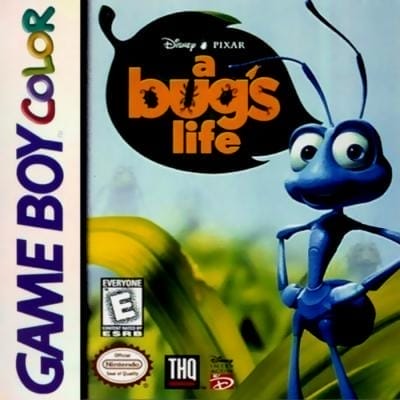
A Bug's Life
A Bug's Life is a platform game in which the player controls Flik throughout settings and a storyline based on the namesake film. The game is divided into five distinct "lands" consisting of three levels each.#cite_note-Manual2324-7) To complete a level, the player must either find an exit, complete a goal or defeat a boss character.#cite_note-Manual19-8) Flik's primary form of offense against enemy characters is throwing berries. By default, Flik throws red-colored berries, which are the weakest form of berry and cannot harm certain enemies. Stronger berries can either be found within a level or received from planting purple-colored seeds. Collecting purple seed tokens increases the range of berries a seed can produce. Aside from increased power, some berries travel faster and can home in on enemies. The strongest form of berry is gold-colored and is capable of permanently eliminating enemies and preventing them from respawning.
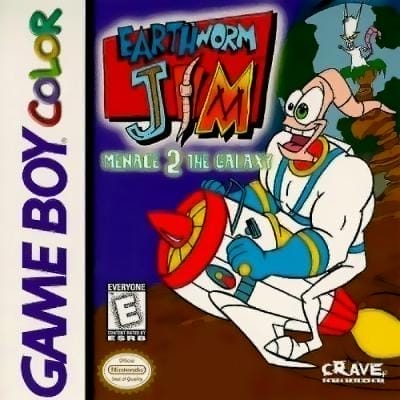
Earthworm Jim: Menace 2 the Galaxy
Earthworm Jim is a series of platform games featuring an earthworm named Jim who wears a robotic suit and battles the forces of evil. The series is noted for its platforming and shooting gameplay, surreal humor, and edgy art style. Four games were released in the series: Earthworm Jim "Earthworm Jim (video game)"), Earthworm Jim 2, Earthworm Jim 3D, and Earthworm Jim: Menace 2 the Galaxy, with the first game released in 1994. The series had lain dormant for almost a decade before Gameloft remade the original game in HD for PlayStation Network and Xbox Live Arcade in 2010. Interplay announced Earthworm Jim 4 in 2008; little to no information surfaced until May 2019 and August 2020, and development was believed cancelled by the rights owners by 2023, as it had never left pre-planning stages. Playmates Toys, finding success with the license for Teenage Mutant Ninja Turtles, wanted to start their own franchise.
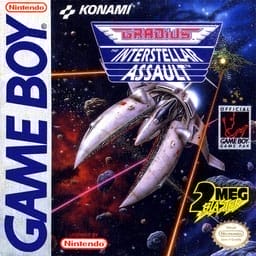
Gradius: The Interstellar Assault
Gradius: The Interstellar Assault, released as Nemesis II: The Return of the Hero in Europe, and Nemesis II in Japan, is a 1991 horizontally scrolling shooter video game developed and published by Konami for the Game Boy. It is the second game in the Gradius series released for the console. The game was re-released via the Konami GB Collection series of Super Game Boy and Game Boy Color compilations; it can be found in the Japanese Vol.3 and the European Vol.4. Like Gradius before it, these versions were renamed Gradius II for the Japanese Vol.3 and Gradius II: The Return of the Hero for the European Vol.4. It was re-released on the Nintendo Classics service for the Nintendo Switch in May 2025.
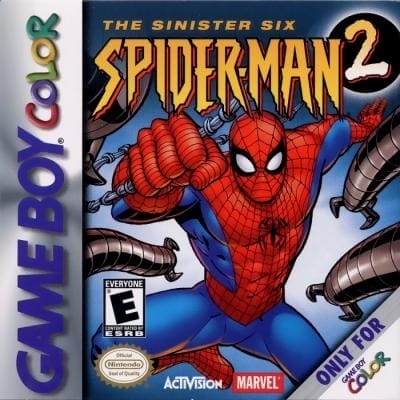
Spider-Man 2: The Sinister Six
Spider-Man 2: The Sinister Six (or Spider-Man 2: Enter the Sinister Six in Europe) is a 2001 platform video game based on the Marvel Comics character Spider-Man. It was developed by Torus Games and published by Activision for the Game Boy Color. It was released on May 18, 2001, and is a sequel to Spider-Man (2000). A canonical sequel to the first game, Spider-Man 2: Enter: Electro, was eventually released on October 19, 2001 as a PlayStation exclusive, followed by a standalone sequel, Spider-Man: Mysterio's Menace, released on September 19, 2001 for the Game Boy Advance.
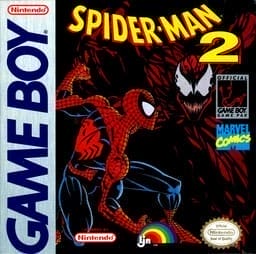
The Amazing Spider-Man 2
The Amazing Spider-Man 2 (internationally titled as The Amazing Spider-Man 2: Rise of Electro) is a 2014 American superhero film based on the Marvel Comics character Spider-Man. The sequel to The Amazing Spider-Man "The Amazing Spider-Man (film)") (2012), it was directed by Marc Webb and written by Alex Kurtzman, Roberto Orci, and Jeff Pinkner from a story by Kurtzman, Orci, Pinkner and James Vanderbilt. Andrew Garfield stars as Peter Parker / Spider-Man "Peter Parker (The Amazing Spider-Man film series)"), alongside Emma Stone, Jamie Foxx, Dane DeHaan, Campbell Scott, Embeth Davidtz, Colm Feore, Paul Giamatti and Sally Field. In the film, Peter tries to protect his girlfriend, Gwen Stacy "Gwen Stacy (The Amazing Spider-Man film series)"), as he investigates his parents' death while also encountering the supervillain Electro "Max Dillon (film character)") and his childhood friend Harry Osborn.
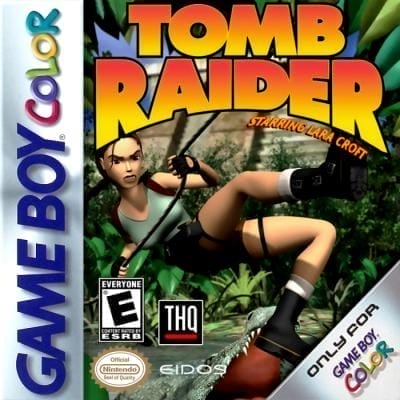
Tomb Raider
Tomb Raider (also known as Tomb Raider: The Nightmare Stone) is a 2000 action-adventure video game developed by Core Design and published by THQ for the Game Boy Color under license from series owner Eidos Interactive. Following series protagonist Lara Croft as she searches ruins in South America for a powerful artefact, the gameplay features platforming and puzzle-solving on a 2D side-scrolling environment. Tomb Raider was the debut entry for the series on Nintendo platforms, with it being described by developers and journalists as technically impressive for the platform. It sold well for THQ, and was praised by critics for its technical achievements and emulation of the main series gameplay in portable form. Two sequels were released: Curse of the Sword in 2001 and The Prophecy in 2002. In Tomb Raider, the player controls Lara Croft though 14 levels "Level (video gaming)") spread across five areas.
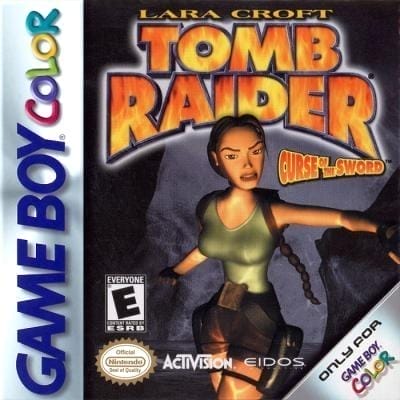
Tomb Raider: Curse of the Sword
Tomb Raider: Curse of the Sword is an action-adventurevideo game, part of the Tomb Raider series, developed by Core Design and published by Activision under license from Eidos Interactive. It was released for the Game Boy Color in 2001, and is a sequel to the first Tomb Raider "Tomb Raider (Game Boy Color)") for the same system. The next Tomb Raider game for a handheld system was Tomb Raider: The Prophecy for the Game Boy Advance. A long time ago, an evil magician named Madame Paveau rose to power in the underworld of New Orleans using her dark magic and sacrificing humans. The underworld became synonymous with fear, and only with the aid of a powerful, benevolent magician could people rise up against her murderous control. After a mob broke into her mansion and burnt it down, the evil magician was destroyed. Her body was shattered upon jagged precipices on the bottom of a nearby cliff.
Browse our collection of 51 Game Boy Color retro games, all playable instantly in your browser. No download required. Play classic games online in your browser and save your progress anytime.