Platform
Platform games
77 games
Donkey Kong 64
Donkey Kong 64 is a 1999 platform game developed by Rare and published by Nintendo for the Nintendo 64. It is the first Donkey Kong game to feature 3D gameplay. As the gorilla Donkey Kong, the player explores themed levels to collect items and rescue his kidnapped family members from King K. Rool. The player completes minigames and puzzles as five playable Kong characters—each with their own special abilities—to receive bananas and other collectibles. In multiplayer modes, up to four players can compete in deathmatch and last man standing games. Rare began working on Donkey Kong 64 in 1997, following the completion of Donkey Kong Country 3 (1996). A 16-person team, with many recruits from Rare's Banjo group, conceived it as a 2.5D platformer similar to Country before reworking it into a more open-ended game using the engine from Banjo-Kazooie (1998). It was the first of two games to require the Nintendo 64 Expansion Pak, an accessory that added memory resources.
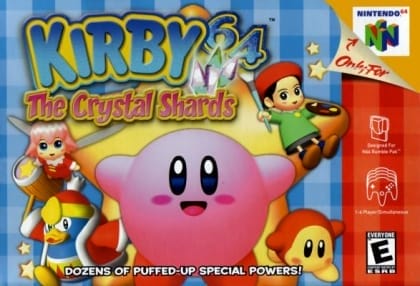
Kirby 64: The Crystal Shards
Kirby 64: The Crystal Shards is a 2000 platform game developed by HAL Laboratory and published by Nintendo for the Nintendo 64 (N64). It is the first Kirby game to feature 3D computer graphics and follows Kirby as he attempts to reassemble a sacred crystal shattered by Dark Matter "Dark Matter (Kirby)"). Gameplay is viewed from a 2.5D perspective and is similar to previous Kirby titles; the player traverses levels "Level (video gaming)") and obtains powers by eating enemies. Kirby 64 introduces Power Combos, the ability to mix powers to create more powerful ones. In a multiplayer mode, up to four players can compete in three minigames. Development began in September 1997. The game was intended for the N64's 64DDadd-on, but became a standard N64 title after the add-on failed. HAL initially planned to use the N64 controller's analog stick for Kirby 64, but switched to the D-pad about a year before release.
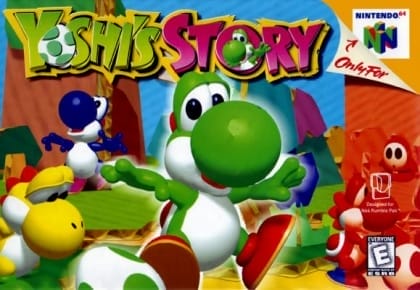
Yoshi's Story
Yoshi's Story is a 1997 platform game published and developed by Nintendo for the Nintendo 64. Following the Super NES game Yoshi's Island (1995), it is the second main installment in the Yoshi series and the second released for a home console. It was released in Japan in December 1997, and worldwide the following year. The game has been subsequently re-released on the Wii, Wii U, and Nintendo Switch. Development was handled by Nintendo EAD and led by Hideki Konno and Takashi Tezuka. It was the first Yoshi platformer not to be produced nor directed by Shigeru Miyamoto, although he contributed design ideas and acted as supervisor for the game. The score was composed by Kazumi Totaka, who provided the voice of Yoshi in the game. Continuing within the platform genre with gameplay similar to its predecessor, Yoshi's Story is more puzzle-oriented, with most challenges being tied to the strategic achievement of a high score.
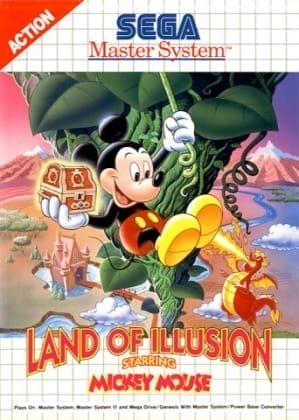
Land of Illusion Starring Mickey Mouse
Land of Illusion Starring Mickey Mouse, known in Japan as Mickey Mouse no Mahō no Crystal (ミッキーマウスの魔法のクリスタル), is a 1993 platform game developed and published by Sega for the Game Gear and Master System.
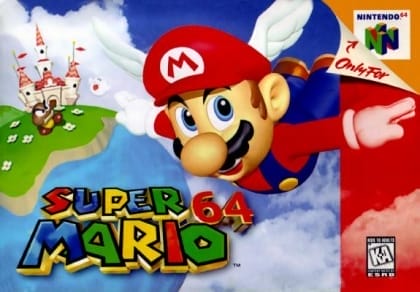
Super Mario 64
Super Mario 64 is a 1996 platform game developed and published by Nintendo for the Nintendo 64. It is the first Super Mario game to feature 3D gameplay, combining traditional Super Mario gameplay, visual style, and characters in a large open world. In the game, Bowser invades Princess Peach's castle, kidnaps her, and hides the castle's Power Stars in different worlds inside magical paintings. As Mario, the player traverses levels and collects Power Stars to unlock areas of the castle, reach Bowser and rescue Peach. Director Shigeru Miyamoto conceived a 3D Super Mario game during the production of Star Fox "Star Fox (1993 video game)") (1993). The team spent about one year on design and twenty months on production, starting with the virtual camera system. The team continued with illustrating the 3D character models and refining sprite movements. Yoji Inagaki recorded the sound effects, and the score was composed by Koji Kondo.
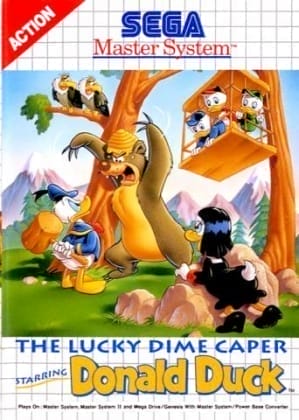
The Lucky Dime Caper Starring Donald Duck
The Lucky Dime Caper Starring Donald Duck is a 1991 platform game developed and published by Sega for the Game Gear and Master System. The player controls Donald Duck as he attempts to retrieve the Number One Dime from Magica De Spell. Another game featuring Donald Duck for the Game Gear and Master System, Deep Duck Trouble, was released in December 1993.
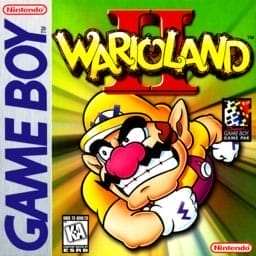
Wario Land 2
Wario Land II, known in Japan as Wario Land 2: The Stolen Treasure, is a 1998 platform game developed and published by Nintendo for the Game Boy. Players control Wario as he sets out to recover his stolen treasure from Captain Syrup. The gameplay retains the side-scrolling platforming of Wario Land: Super Mario Land 3, with the player guiding Wario through various levels with the goal of finishing with as many coins as possible. Wario Land II introduces an immortality game mechanic in which enemies cannot inflict damage, but instead cause Wario to lose coins or transform into forms with abilities that allow players to access new areas. The original version was released for the Game Boy in North America and Europe in March 1998. A colorized version, sometimes called Wario Land II DX, was released in Japan in October 1998 as a launch game for the Game Boy Color, and later in other regions. It received positive reviews.
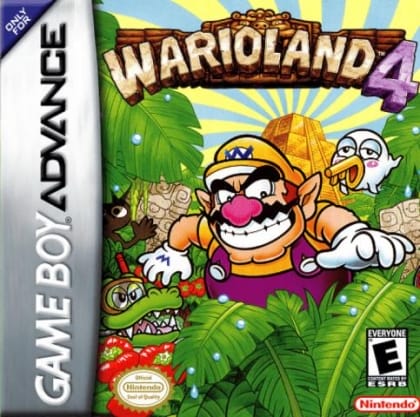
Wario Land 4
Wario Land 4 is a 2001 platform game developed by Nintendo R&D1 and published by Nintendo for the Game Boy Advance. It is the fourth installment in the Wario Land subseries of the Wario series. It was released in Japan in August 2001 and November 2001 internationally. In the game, Wario has to gather four treasures to unlock a pyramid and save Princess Shokora from the Golden Diva. The game received acclaim for its graphics and gameplay.
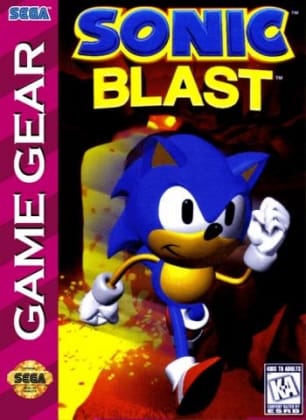
Sonic Blast
Sonic Blast is a 1996 platform game developed by Aspect and published by Sega for the Game Gear. The player controls Sonic the Hedgehog "Sonic the Hedgehog (character)") and Knuckles the Echidna, who venture through 15 levels "Level (video gaming)") to stop Doctor Robotnik from using Chaos Emerald shards to fortify his base. As a Sonic the Hedgehog series platformer, the characters run and jump to reach the end of a level while defeating enemy robots and collecting rings. In separate special stages, the player must run forward and collect rings to earn one of the Chaos Emerald shards. The game was the final Sonic the Hedgehog game for the system, utilizing pre-rendered visuals to maximize the graphical potential of the decreasingly popular handheld console. It was rereleased on the Master System exclusively in Brazil in 1997, various compilations in the series, and the Nintendo 3DS's Virtual Console (2012).
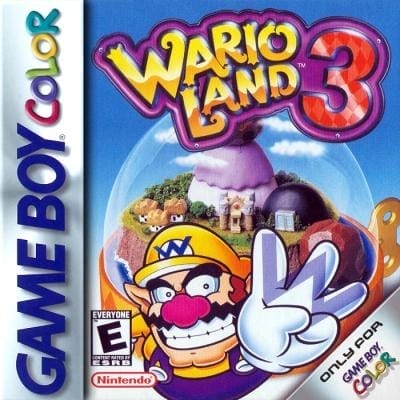
Wario Land 3
Wario Land 3, known in Japan as Wario Land 3: Mysterious Music Box, is a 2000 platform game developed by Nintendo R&D1 and published by Nintendo for the Game Boy Color. The game's plot centers around Wario who must free a mysterious figure who is trapped inside a music box. The game was released in Japan on March 21, 2000, Europe on April 14, 2000, and North America on May 30, 2000. The game was later re-released for the Nintendo 3DSVirtual Console in 2013, and as part of the Nintendo Classics service on February 8, 2023. The gameplay in Wario Land 3 is very similar to that of its predecessor, Wario Land II. Wario must take advantage of his enemies' attacks to physically change and access new areas. For example, if Wario eats a donut thrown by a certain enemy, he temporarily bulks up to twice his size, giving him extra protection against attacks and the ability to break certain blocks.
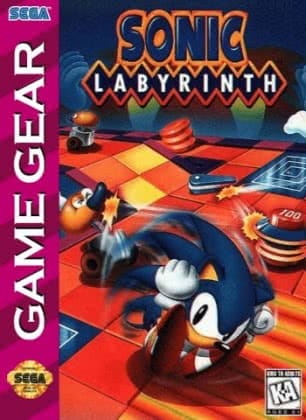
Sonic Labyrinth
Sonic Labyrinth is a 1995 action-puzzlevideo game developed by Minato Giken and published by Sega for the Game Gear. The game features Sonic the Hedgehog "Sonic the Hedgehog (character)") exploring maze-like stages from an isometric perspective. Dr. Robotnik has robbed Sonic of his trademark speed, making him walk abnormally slow but still able to utilize the spin dash. Upon release, critical reception to the game was mixed: many critics found the game a unique addition to the Sonic library but flawed by convoluted controls and repetitive gameplay. In retrospect, however, it has received generally negative reviews and is considered among the worst Sonic games ever released. Despite this, the game has been re-released multiple times in the following years.
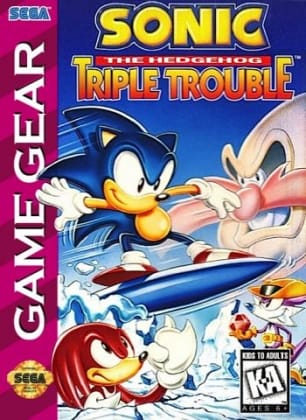
Sonic the Hedgehog: Triple Trouble
Sonic the Hedgehog: Triple Trouble is a 1994 platform game developed by Aspect and published by Sega for the Game Gear. It is the sequel to Sonic Chaos (1993) and features classic side-scrolling_Sonic_ gameplay. The player controls either Sonic the Hedgehog "Sonic the Hedgehog (character)") or Miles "Tails" Prower "Tails (Sonic the Hedgehog)") as they venture to protect the powerful Chaos Emeralds from Doctor Robotnik, Knuckles the Echidna and series newcomer Fang the Sniper. Sonic and Tails' unique abilities, as well as various power-ups, can assist the player in gameplay. Critics found the game to be enjoyable and praised its graphics, but thought that it lacked in challenge and originality to help it stand out from previous Sonic games. Reception was more positive in retrospect. Critics have considered it one of the best Sonic games on the 8-bit Game Gear, coming closer than the others to matching the quality of its 16-bit counterparts.
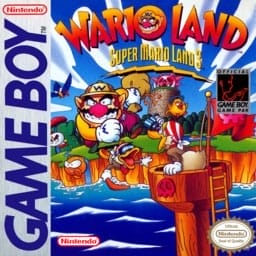
Wario Land: Super Mario Land 3
Wario Land: Super Mario Land 3, known in Japan as Super Mario Land 3: Wario Land, is a 1994 platform game developed and published by Nintendo for the Game Boy. A spin-off of the Mario series, it follows Wario, the antagonist of Super Mario Land 2: 6 Golden Coins (1992), as he travels around an island in an attempt to find the treasures necessary to purchase his own castle. The player traverses through side-scrolling levels, avoiding obstacles and jumping between platforms, while collecting coins and treasure in order to progress. Wario Land received positive reviews from critics, lauding its length and aesthetic quality, though it garnered mixed opinions on the game's difficulty. It sold more than five million copies and established the Wario series of spin-offs and sequels. The game was re-released for the Nintendo 3DS's Virtual Console.
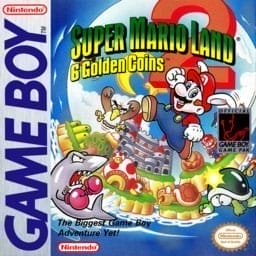
Super Mario Land 2: 6 Golden Coins
Super Mario Land 2: 6 Golden Coins is a 1992 platform game developed and published by Nintendo for the Game Boy. It is the sequel to Super Mario Land. In Super Mario Land 2, the player assumes the role of the protagonist Mario, whose main objective is to reclaim his personal island, Mario Land, from the clutches of his greedy rival Wario. The gameplay builds and expands on that of its precursor with innovations carried over from Super Mario World and Super Mario Bros. 3. Super Mario Land 2 received critical acclaim upon release and sold over 11 million copies, becoming one of the most successful and highest-rated titles on the Game Boy. Reviewers emphasized that the game surpassed its predecessor in all aspects. Super Mario Land 2 marks the debut appearance of Wario, who would become a prominent character in the Super Mario series as the antihero of several games "Wario (series)"), the first being this game's sequel Wario Land: Super Mario Land 3.
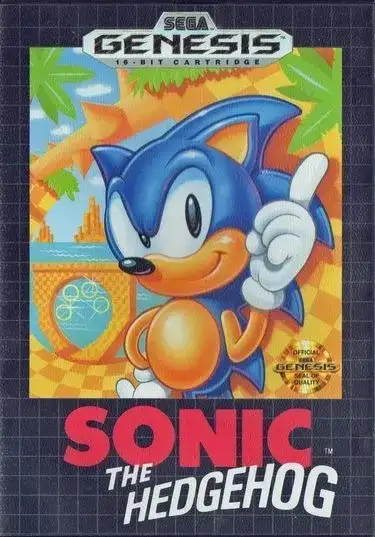
Sonic the Hedgehog
Sonic the Hedgehog,#cite_note-1) commonly referred to as Sonic '06, is a 2006 platform game developed by Sonic Team and published by Sega. It was intended as a reboot of the Sonic franchise for seventh-generation video game consoles. Players control Sonic "Sonic the Hedgehog (character)"), Shadow, and the new character Silver as they seek to defeat Solaris, an ancient evil pursued by Doctor Eggman. Each character has his own campaign and abilities, and must complete levels "Level (video gaming)"), explore hub worlds and fight bosses "Boss (video gaming)") to advance the story. In multiplayer modes, players can work cooperatively to collect Chaos Emeralds or race to the end of a level. The development began in early 2005, led by Sonic co-creator Yuji Naka. Sonic Team sought to create a game in the vein of superhero films such as Batman Begins (2005), hoping it would advance the series with a realistic tone and multiple gameplay styles.
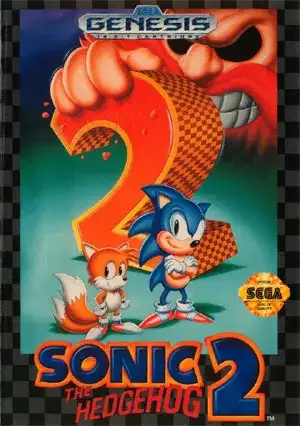
Sonic the Hedgehog 2
Sonic the Hedgehog 2 is a 1992 platform game developed by Sega Technical Institute (STI) for the Sega Genesis. Players control Sonic as he attempts to stop Doctor Robotnik from stealing the Chaos Emeralds to power his space station, the Death Egg. Like the first Sonic the Hedgehog (1991), players traverse side-scrolling levels at high speeds while collecting rings, defeating enemies, and fighting bosses. Sonic 2 introduces Sonic's sidekick Miles "Tails" Prower and features faster gameplay, larger levels, a multiplayer mode, and special stages featuring pre-rendered 3D graphics. After Sonic the Hedgehog greatly increased the popularity of the Genesis in North America, Sega directed STI's founder, Mark Cerny, to start Sonic 2 in November 1991. Members of Sonic Team—including the programmer Yuji Naka and the designer Hirokazu Yasuhara—moved from Japan to California to join the project. Sonic 2 was intended to be faster and more ambitious than the first game.
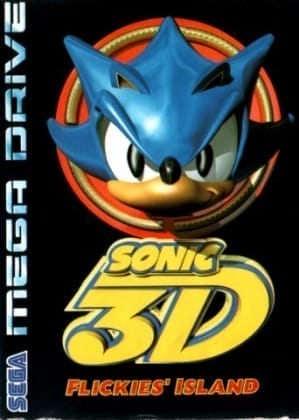
Sonic 3D Blast
Sonic 3D Blast, known in regions outside North America as Sonic 3D: Flickies' Island, is a 1996 platform game in the Sonic the Hedgehog series for the Sega Genesis and Sega Saturn. As Sonic the Hedgehog "Sonic the Hedgehog (character)"), the player embarks on a journey to save the Flickies, birds enslaved by Doctor Robotnik. The player must guide Sonic through a series of themed levels "Level (video gaming)") to collect Flickies and defeat Robotnik. Though it retains game mechanics from prior Sonic games, Sonic 3D Blast is differentiated by its 2D isometric perspective, with pre-rendered3D models converted into sprites "Sprite (computer graphics)"). The concept for Sonic 3D Blast originated during the development of Sonic the Hedgehog 3 (1994). Most of the programming was outsourced to the British studio Traveller's Tales, as the Japanese Sonic Team staff was preoccupied with Nights into Dreams (1996).
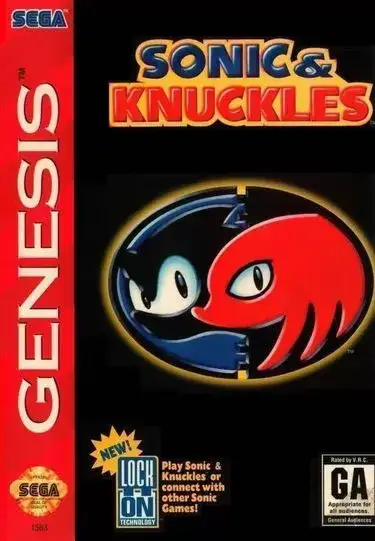
Sonic & Knuckles
Sega Technical Institute developed Sonic & Knuckles simultaneously alongside its predecessor, Sonic the Hedgehog 3 (1994); they were planned as a single game until time constraints and cartridge costs forced the developers to split it. The _Sonic & Knuckles_cartridge features an adapter that allows players to connect the Sonic the Hedgehog 3 cartridge, creating a combined game, Sonic 3 & Knuckles. Sonic the Hedgehog 2 (1992) can also be attached, allowing players to control Knuckles in Sonic 2 stages. Attaching the original Sonic the Hedgehog "Sonic the Hedgehog (1991 video game)") or any other Genesis game released prior to this will unlock the "Blue Sphere" minigame. Sonic & Knuckles was released for the Sega Genesis on October 18, 1994. It received positive reviews; critics were impressed with the replay value and lock-on technology, despite its similarity to Sonic 3. The games sold a combined four million copies worldwide, placing them among the best-selling Sega Genesis games.
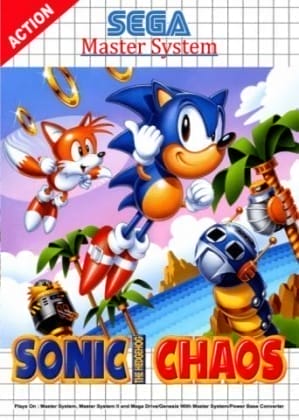
Sonic Chaos
Sonic the Hedgehog Chaos is a 1993 platform game developed by Aspect and published by Sega for the Master System and Game Gear. Players control Sonic the Hedgehog and his sidekick Miles "Tails" Prower in their quest to retrieve the Chaos Emeralds from Doctor Robotnik, who has stolen them to construct nuclear weapons. Gameplay involves running through stages, collecting rings, and defeating enemies. It is largely based on the Master System version of Sonic the Hedgehog 2, and is thus considered a follow-up to that game. Chaos is the first Sonic game for the Master System and Game Gear to feature Tails as a separate playable character with his own unique abilities. Developed by Japanese studio Aspect, Chaos is the first original Sonic game made for a handheld, instead of a port or remake of an existing game. Aspect used the knowledge gained from its work on previous Sonic games while designing Chaos to make it more expansive and faster than its predecessors.
Sonic Boom
Sonic Boom (ソニック・ブーム, Sonikku Būmu) is a vertical scrolling shooter developed by Sega and released in the arcades in 1987. Home computer versions for the Amiga, Atari ST, Amstrad CPC, Commodore 64 and ZX Spectrum were released in 1990 by Activision. The original arcade version was released on the Sega Astro City Mini console in 2021.
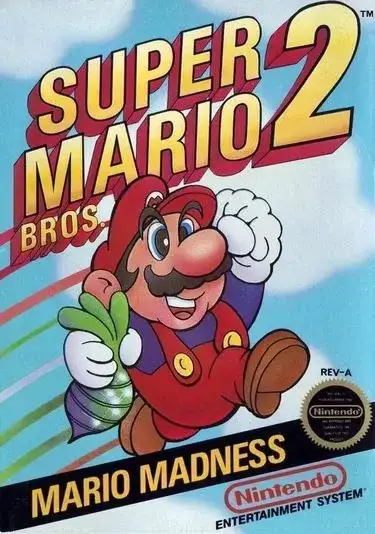
Super Mario Bros 2
Super Mario Bros. 2 is a 1988 platform game developed and published by Nintendo for the Nintendo Entertainment System. After the smash hit Super Mario Bros. in 1985, Nintendo quickly released an adaptation of the original with advanced difficulty titled Super Mario Bros. 2 for its market in Japan in 1986. However, Nintendo of America found this sequel too similar to its predecessor, and its difficulty too frustrating, for the nascent American market. This prompted a second Super Mario Bros. sequel based on Yume Kōjō: Doki Doki Panic, Nintendo's 1987 Family Computer Disk System game that had been based on a prototype platforming game and released as an advergame for Fuji Television's Yume Kōjō '87 media technology expo. The characters, enemies, and themes in Doki Doki Panic have the mascots and theme of the festival, and were adapted into the Super Mario theme to make a Western Super Mario Bros. sequel. Super Mario Bros.
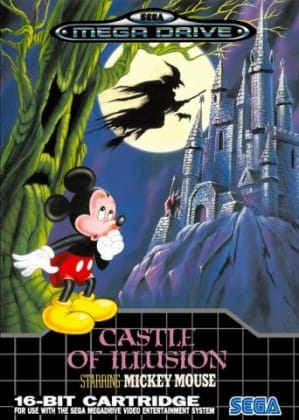
Castle of Illusion Starring Mickey Mouse
Castle of Illusion Starring Mickey Mouse is a 1990 platform game developed and published by Sega and released for the Sega Genesis. An 8-bit version of the game was later released for the Master System and Game Gear. The game follows Mickey Mouse on a quest to save Minnie Mouse from the evil witch Mizrabel. It is the first game in Sega's Illusion video game series starring Mickey. Castle of Illusion was very well received by critics, especially the original 16-bit version. It was re-released in 1998 in Japan as part of Sega Ages: Mickey Mouse & Donald Duck for the Sega Saturn, which features both Castle of Illusion and QuackShot. A remake of the game by Sega Studios Australia was released for PlayStation Network, Windows, and Xbox Live Arcade in September 2013. The game was also included on the Sega Genesis Mini in 2019.
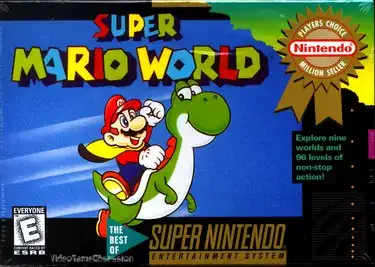
Super Mario World
Not to be confused with Super Mario 3D World or Super Nintendo World. "Super Mario 4" and "Mario 4" redirect here. For the bootleg game Super Mario IV, see Armadillo (video game) § Gameplay#Gameplay "Armadillo (video game)"). For the bootleg game Mario 4: A Space Odyssey, see List of unofficial Mario media § Console games. Super Mario World is a 1990 platform game developed and published by Nintendo for the Super Nintendo Entertainment System (SNES). It was released in Japan in 1990, in North America in 1991 and PAL territories in 1992. The player controls Mario on his quest to save Princess Peach and Dinosaur Land from the series' antagonist Bowser and the Koopalings. The gameplay is similar to that of earlier Super Mario games; players control Mario through a series of levels "Level (gaming)") in which the goal is to reach the goalpost at the end. Super Mario World introduces Yoshi, a ridable dinosaur who can eat enemies and spit some of them out as projectiles.
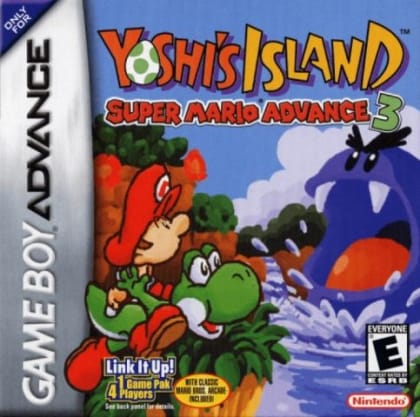
Super Mario Advance 3: Yoshi's Island
Super Mario World 2: Yoshi's Island is a 1995 platform game developed and published by Nintendo for the Super Nintendo Entertainment System (SNES). The player controls Yoshi dinosaurs on their quest to reunite baby Mario with his brother Luigi, who has been kidnapped by the wizard Kamek. Yoshi runs and jumps to reach the end of each level while solving puzzles and collecting items with Mario's help. Having introduced the character in the previous Super Mario game, Super Mario World (1990), Nintendo decided to develop a game starring Yoshi, with the aim of making it more accessible. Yoshi's Island introduced his signature flutter jump and egg-spawning abilities. The marker-drawn art style was created by scanning hand-drawn pictures and approximating them pixel-by-pixel. Some special effects were powered by a new Super FX2 microchip. After four years of development, Yoshi's Island was released in Japan in August 1995 and worldwide two months later. It sold more than four million copies.
Browse our collection of 77 Platform retro games, all playable instantly in your browser. No download required. Play classic games online in your browser and save your progress anytime.