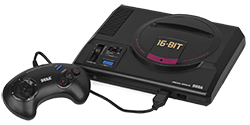
Sega Genesis
The Sega Genesis, known as the Mega Drive outside North America, is a 16-bit fourth generation home video game console developed and sold by Sega. It was Sega's third console and the successor to the Master System. Sega released it in October 1988 in Japan as the Mega Drive, and in August 1989 in North America as the Genesis. In 1990, it was distributed as the Mega Drive by Virgin Mastertronic in Europe, Ozisoft in Australasia, and Tectoy in Brazil. In South Korea, it was distributed by Samsung Electronics as the Super Gam*Boy and later the Super Aladdin Boy.
66 games
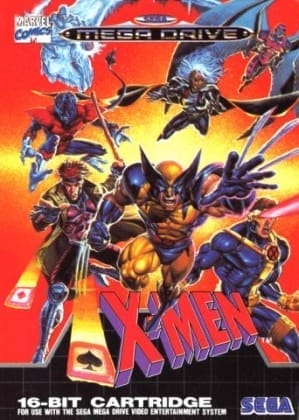
X-Men
In 2011, IGN named the game in its "Fifteen Really, Really, Really Hard Games" list, citing "unfairly placed enemies, ridiculously annoying jumps and near-impossible-to-beat bosses", as well as the need to lightly press the Genesis' reset button in "Mojo's Crunch".#cite_note-IGN-4) The requirement to reset effectively means the game cannot be completed on a Genesis Nomad. Power Unlimited gave X-Men a score of 82% writing: "X-Men for the Megadrive is a platform game with an original approach. It's basically a platform, tactics, fighting and strategy game all in one. The game is therefore extremely extensive and varied. A true must for superhero fans."#cite_note-5) The game was ranked number 7 on GameTrailers' "Top 10 X-Men Games" list.
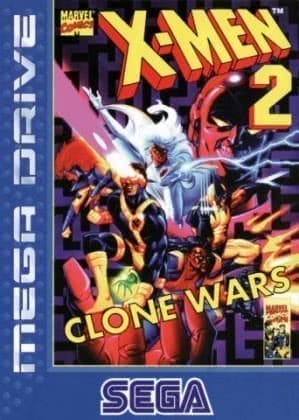
X-Men 2: Clone Wars
X-Men 2: Clone Wars is a 1995 2D action-platformervideo game developed by Headgames and released by Sega of America for the Mega Drive/Genesis as a sequel to the 1993's X-Men "X-Men (1993 video game)"). The game is based on the adventures of the Marvel Comics superhero team, the X-Men. A sequel, titled X-Women, was cancelled. The game begins with a cold open; upon booting up the console, the first stage begins with the player character being randomly selected from the roster. Completing the first stage prompts the appearance of the title sequence and opening narration. In most stages, the player must traverse environments populated with enemies and hazards and reach the exit. Some stages require the player to fight and defeat a boss enemy to proceed; minor boss fights occur at the end of the stage, while major boss fights comprise stages in their entirety.
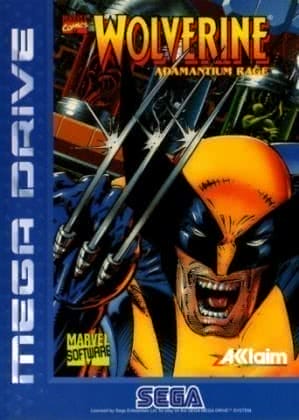
Wolverine: Adamantium Rage
GamePro panned the Genesis version, criticizing the generic design, lack of excitement, and most especially the controls, which they said are so poor that even clearing the first level is almost impossible. They concluded, "when the highlights of a game are its mediocre graphics and sounds, that should trigger an immediate red flag".Electronic Gaming Monthly gave it a 4.25 out of 10. Though their four reviewers were divided about the game's graphics, they unanimously commented that the controls are remarkably poor. Two of them also complained about the number of "instant hits".Next Generation "Next Generation (magazine)") reviewed the Genesis version of the game, rating it two stars out of five, and stated that "Wolverine is a decent platform brawler, but in the end it's just another platform brawler. And around here that's only good for two".
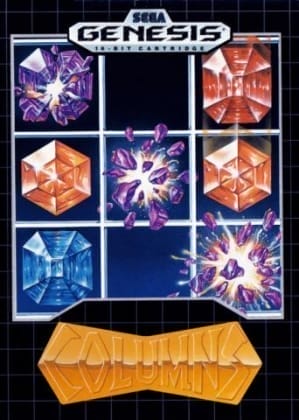
Columns
Columns was the first pack-in game for the Game Gear. This version was slightly different from the Genesis version, and its soundtrack was transposed and rearranged due to limitations of the handheld's sound chip. While the columns themselves were updated for the Genesis version, the overall decoration was less like a cartoon in the Game Gear version and instead more artistically designed. Lastly, the Game Gear version had a feature that let the player change the jewels to fruit, squares, dice, or playing card suits (clubs, diamonds, spades, and hearts). In 1990, Compile and Telenet Japan developed and published an MSX2 version. In November 2006, Columns was released as part of the game Sega Genesis Collection for the PlayStation 2, and later for PlayStation Portable. The same year on December 4, it was released on Nintendo's Virtual Console for Wii. It is also included on Sonic's Ultimate Genesis Collection for the PlayStation 3 and Xbox 360.
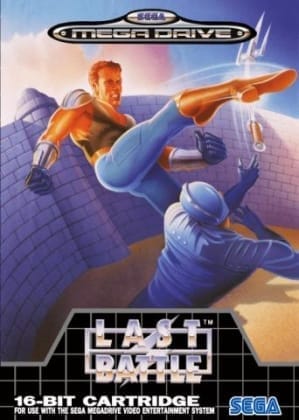
Last Battle
Last Battle: Legend of the Final Hero is a side-scrollingmartial artsbeat 'em up released for the Mega Drive/Genesis in 1989 by Sega. It was one of the six games that were available as part of the Genesis launch lineup in the U.S. The Japanese version, titled Hokuto no Ken: Shinseikimatsu Kyūseishu Densetsu (北斗の拳 新世紀末救世主伝説; lit."Fist of the North Star: The New Legend of the Post-Apocalyptic Messiah"), is based on the manga and anime series Fist of the North Star (Hokuto no Ken in Japanese). Since the international version did not retain the Hokuto no Ken license, the graphics and characters' names were altered. It was the second Hokuto no Ken game released by Sega, following the Mark III original, released internationally as Black Belt "Black Belt (1986 video game)"). Versions for the Commodore 64 and Amiga based upon Last Battle were developed and released by Elite in Europe in 1991. Last Battle is a side-scrolling action game similarly to its predecessor Black Belt.
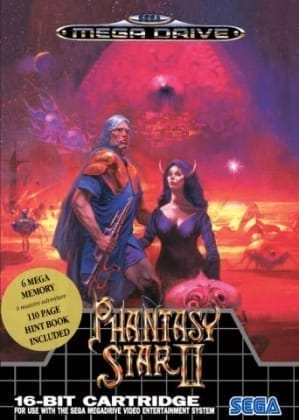
Phantasy Star II
Phantasy Star II is a science fantasy role-playing video game developed and published by Sega for the Sega Genesis. It was released in Japan in 1989 and North America and Europe in 1990. It was later ported to a variety of different platforms. An updated remake, Phantasy Star Generation 2, was released for the PlayStation 2 in 2005 in Japan. Phantasy Star II is the second installment in Sega's acclaimed Phantasy Star series and serves as a sequel to the original Phantasy Star for the Master System. Phantasy Star II takes place 1,000 years after the events of its predecessor and follows the journey of a government agent named Rolf and his friends, who are on a mission to discover why the protector of the planet Mota, Mother Brain, has started malfunctioning. Phantasy Star II was the first video game to use a 6 mega-bit cartridge, making it the biggest video game on a console at the time. Since its release Phantasy Star II has been the subject of critical acclaim.
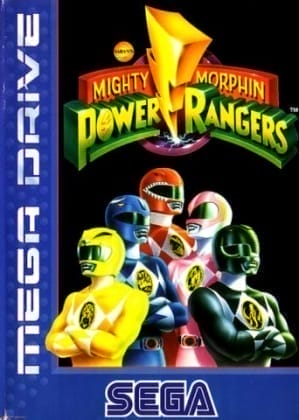
Mighty Morphin Power Rangers
Mighty Morphin Power Rangers is the title of five different video games based on the first season of the television series of the same name, one for each of the following game platforms: Sega Genesis, Super Nintendo Entertainment System, Game Boy, and Game Gear. The Nintendo versions of the game were released by Bandai, while the Sega versions were published by Sega itself and the production of the cartridge versions was carried by Banpresto, a pseudonym of Bandai. The Green Ranger is only playable on the Genesis and Game Gear versions of the game. The Super NES version of Mighty Morphin Power Rangers is a side-scrolling action game composed of seven stages, with two different gameplay styles. The four reviewers of Electronic Gaming Monthly gave the Super NES game ratings of 7/10, 6/10, 6/10 and 7/10. Three reviewers said it was too similar to other games in the genre, with one saing it's "just another mindless Final Fight-type game.
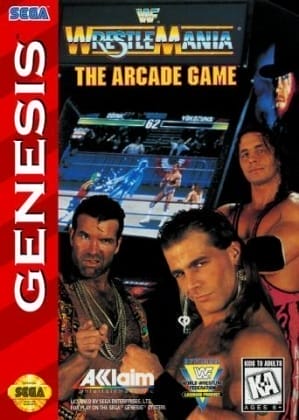
WWF WrestleMania: The Arcade Game
Shortly after the game was released, Midway executive Roger Sharpe claimed that Adam Bomb appears in the game. Many years later, developer Sal DiVita confirmed that Adam Bomb was a hidden character, but also stated that the character in the game was not fully completed. Ports were developed for Mega Drive/Genesis, 32X, Super NES, PlayStation, Sega Saturn, and MS-DOS. The Super NES release omits Bam Bam Bigelow and Yokozuna. When the maximum of three characters are on screen simultaneously, the game slows down. It also lacks several voice and commentary samples and damage taken by in-game fighters from attacks was reduced. The Genesis version retains most of the voice and commentary samples from the arcade and allows for four wrestlers on-screen, also with slow down. The 32X release is similar to the standard Genesis version, but with improved graphics and audio.
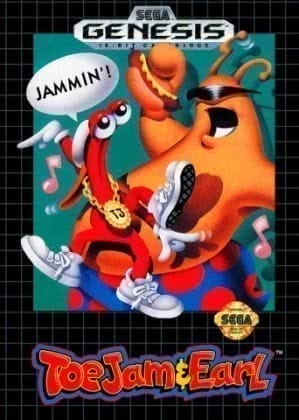
ToeJam & Earl
ToeJam & Earl is a 1991 action video game developed by Johnson Voorsanger Productions and published by Sega for the Genesis console. It centers on ToeJam and Earl—alienrappers who have crash-landed on Earth—as they attempt to escape the planet, players assume the role of either character and collect pieces of their wrecked spacecraft. It references and parodies 1980s and early-'90s urban culture and is set to a funk soundtrack. ToeJam & Earl's design was heavily influenced by the role-playing video game_Rogue "Rogue (video game)") (1980) and derived various features from the game, such as the random generation of levels and items. As such, ToeJam & Earl is often considered to be an early example of a roguelike game. The game was positively received by critics, who praised its originality, soundtrack, humor and two-player cooperative mode. It attained sleeper hit status despite low initial sales, and its protagonists were used as mascots by Sega.
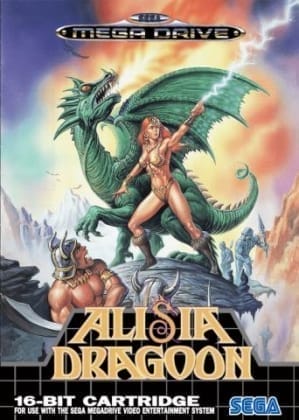
Alisia Dragoon
Alisia Dragoon is a 1992 platform game developed by Game Arts and published by Sega for the Sega Genesis. The player controls Alisia, a young woman who is on a quest to avenge her father and save the world. She can fire lightning from her hands and summon four faithful beasts to aid her. The game was later made available on the Sega Genesis Mini and Nintendo Classics service.
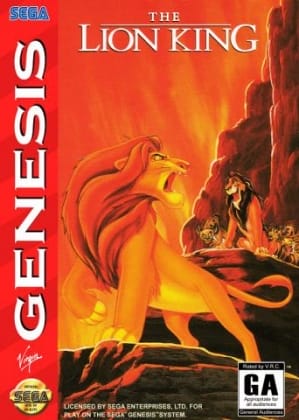
The Lion King
The Lion King is a 1994 platform game based on Disney's 1994 animated film of the same name. It was originally developed by Westwood Studios and published by Virgin Interactive Entertainment for the Super NES and Sega Genesis, and was ported to MS-DOS, Amiga, Game Gear, Master System, and Nintendo Entertainment System; the Amiga, Master System, and NES versions were only released in the PAL region. The game follows Simba's journey from a young cub to the battle with his uncle Scar as an adult.
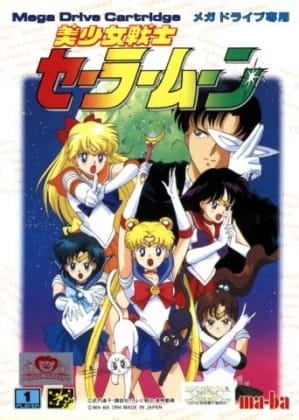
Pretty Soldier Sailor Moon
Pretty Soldier Sailor Moon#cite_note-2) is a side-scrollingbeat 'em uparcadevideo game developed by Gazelle and released on March 22, 1995. It was published by Banpresto.#cite_note-CDC2-3)#cite_note-GTech9-4) It is the first game to be created by Gazelle, one of the offshoots of defunct developer Toaplan that were founded after they declared bankruptcy in 1994, and one of the few titles based upon Naoko Takeuchi's _Sailor Moon_shōjo manga and anime "Sailor Moon (TV series)") series that had an official international release, and it also has been compared with other titles in the same genre such as Capcom's Final Fight "Final Fight (video game)") and Technōs Japan's Double Dragon "Double Dragon (video game)").
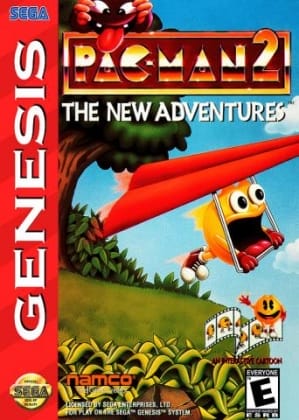
Pac-Man 2: The New Adventures
Pac-Man 2: The New Adventures, known in Japan as Hello! Pac-Man (ハロー! パックマン, Harō! Pakkuman), is a 1994 side-scrolling adventure game in the Pac-Man series developed and published by Namco. Instead of being a maze game like the majority of its predecessors, Pac-Man 2 incorporates light point-and-click adventure game elements. The game borrows its structure and certain elements from Pac-Land, and also appears to contain certain elements from the animated series, such as Pac-Man's family and a main villain commanding the ghosts. The game was released in 1994 for the Super Nintendo Entertainment System, and was released for the Sega Genesis exclusively in the US.
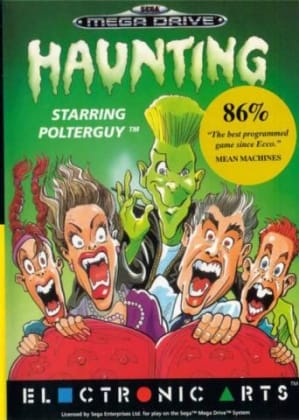
Haunting Starring Polterguy
Haunting Starring Polterguy is a comedy-horror video game released for the Mega Drive/Genesis by Electronic Arts in 1993. Taking control of a ghost named 'Polterguy', the player must bring various household items to life in order to frighten a family away from their home. A port for the PlayStation Portable was released in 2006 on EA Replay.
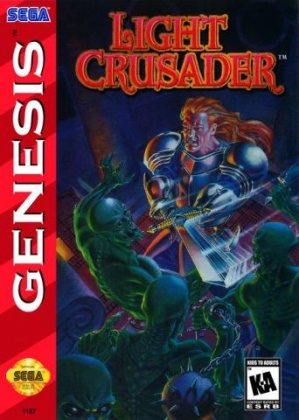
Light Crusader
Light Crusader is a 1995 action-adventure game developed by Treasure and published by Sega for the Sega Genesis. The game's plot follows a knight named Sir David as he attempts to rescue the kidnapped people of Greenrow. Played from an isometric perspective, the game sees the player, assuming the role of David, descending through a large dungeon by fighting enemies, solving puzzles, and traversing the environment in order to find the missing townsfolk. The final title developed by Treasure for the Genesis, the game was first announced in the spring of 1994 under the working title of Relayer. During development, the dev team sought to improve the operability and enjoyment of previous pseudo-3D titles by implementing an isometric viewpoint. However, due to programming difficulties stemming from the perspective, the game was delayed for over a year in order for the development team to fix the issues.
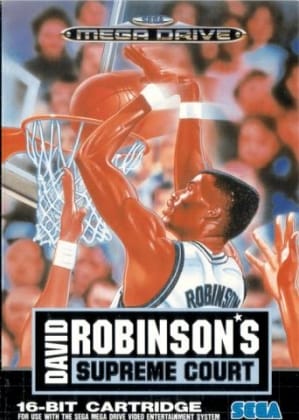
David Robinson's Supreme Court
David Robinson Supreme Court (known in Japan as David Robinson Basketball (デビッド・ロビンソン バスケットボール)) is a basketball video game released by Sega exclusively for the Sega Genesis in 1992. The game was endorsed by NBA player David Robinson but does not feature an NBA license and instead features four different fictional American teams. Robinson would later be featured in Sega's NBA Action games.
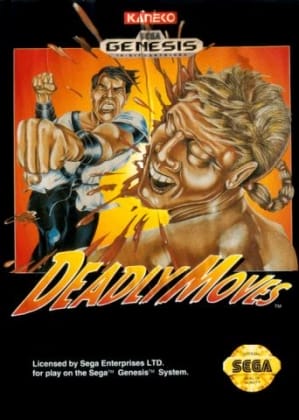
Deadly Moves
Power Athlete (パワーアスリート), known outside Japan for the Sega Genesis as Deadly Moves and for the Super Nintendo Entertainment System as Power Moves, is a 1992 fighting video game developed by System Vision and published by Kaneko.
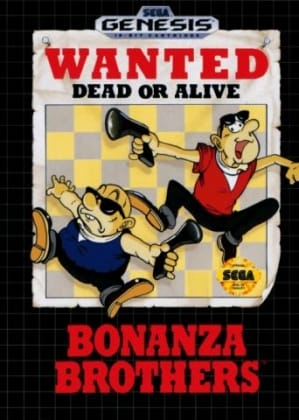
Bonanza Bros
Bonanza Bros. (sometimes written Bonanza Brothers) is a 3D-style, 2Dside-scrollingstealthaction game developed and released by Sega in 1990. It is one of the earliest arcade games powered by the Sega System 24arcade system board. It was ported to various home systems, including the Mega Drive/Genesis, Master System, PC-Engine/TurboGrafx-CD, and several home computers. Bonanza Bros. received praise for its graphics, soundtrack, and character dialogue. It has been remastered and rereleased several times. Bonanza Bros. is a side-scrollingstealthaction game, with shooter and platform game elements. The players take the roles of one or both of the brothers Robo (1P, red) and Mobo (2P, blue) (Mike and Spike in some PAL versions), who may have been modeled on The Blues Brothers.
Browse our collection of 66 Sega Genesis retro games, all playable instantly in your browser. No download required. Play classic games online in your browser and save your progress anytime.