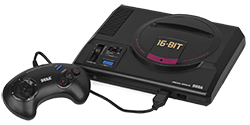
Sega Genesis
The Sega Genesis, known as the Mega Drive outside North America, is a 16-bit fourth generation home video game console developed and sold by Sega. It was Sega's third console and the successor to the Master System. Sega released it in October 1988 in Japan as the Mega Drive, and in August 1989 in North America as the Genesis. In 1990, it was distributed as the Mega Drive by Virgin Mastertronic in Europe, Ozisoft in Australasia, and Tectoy in Brazil. In South Korea, it was distributed by Samsung Electronics as the Super Gam*Boy and later the Super Aladdin Boy.
66 games
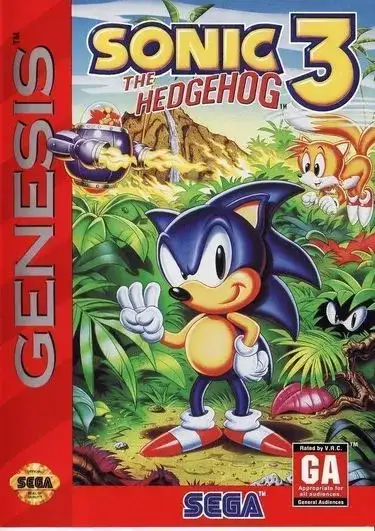
Sonic the Hedgehog 3
Sonic the Hedgehog 3 is a 1994 platform game developed by Sega Technical Institute and published by Sega for the Sega Genesis. Like previous Sonic games, players traverse side-scrolling levels while collecting rings and defeating enemies. They control Sonic and Tails, who attempt to retrieve the Chaos Emeralds to stop Doctor Robotnik from relaunching his space station, the Death Egg, after it crash-lands on a mysterious floating island. Sonic 3 introduces Knuckles the Echidna, the island guardian, who lays traps for Sonic and Tails. Development began in January 1993 by Sega Technical Institute in California, shortly after the release of Sonic the Hedgehog 2. It was initially developed as an isometric game, similar to what became Sonic 3D Blast (1996), but became a conventional 2D platformer due to time constraints.
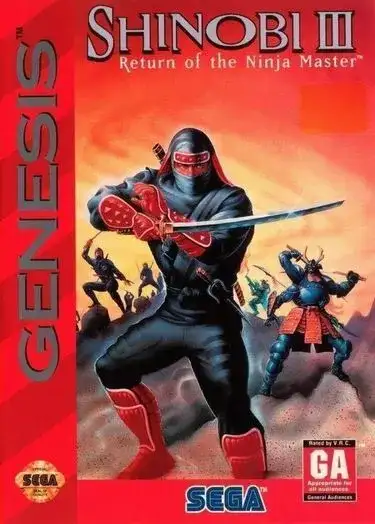
Shinobi III: Return of the Ninja Master
Shinobi III: Return of the Ninja Master, released in Japan as The Super Shinobi II, is a 1993 hack and slash platform game developed and published by Sega for the Sega Genesis. It is the direct sequel to the previous The Revenge of Shinobi. Shinobi III received critical acclaim and has been ranked among the greatest Genesis games.
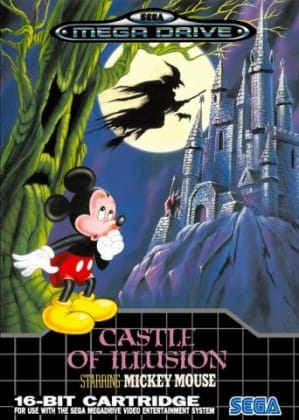
Castle of Illusion Starring Mickey Mouse
Castle of Illusion Starring Mickey Mouse is a 1990 platform game developed and published by Sega and released for the Sega Genesis. An 8-bit version of the game was later released for the Master System and Game Gear. The game follows Mickey Mouse on a quest to save Minnie Mouse from the evil witch Mizrabel. It is the first game in Sega's Illusion video game series starring Mickey. Castle of Illusion was very well received by critics, especially the original 16-bit version. It was re-released in 1998 in Japan as part of Sega Ages: Mickey Mouse & Donald Duck for the Sega Saturn, which features both Castle of Illusion and QuackShot. A remake of the game by Sega Studios Australia was released for PlayStation Network, Windows, and Xbox Live Arcade in September 2013. The game was also included on the Sega Genesis Mini in 2019.
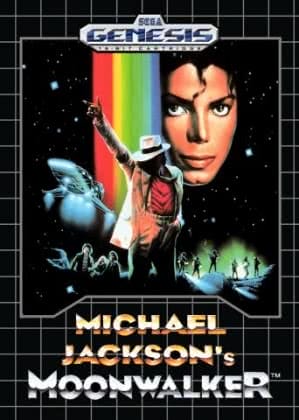
Michael Jackson's Moonwalker
In North America, the game had a successful launch. It was the top-grossing new video game on the RePlay arcade charts in September 1990. The game received a positive review from RePlay magazine.
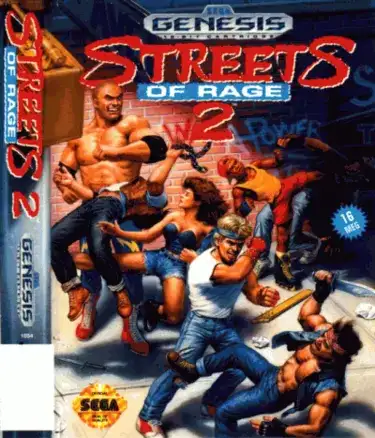
Streets of Rage 2
Streets of Rage 2, known as Bare Knuckle II in Japan, is a 1992 beat 'em up video game developed and published by Sega for the Sega Genesis. The sequel to Streets of Rage "Streets of Rage (video game)") (1991), the characters Axel Stone and Blaze Fielding return while the game also introduces two new characters: Max Thunder, and Eddie "Skate" Hunter, the younger brother of Adam Hunter from the first game. Streets of Rage 2 was developed by an ad hoc team of several companies: Sega, Ancient, Shout! Design Works, MNM Software, and H.I.C.[better source needed] Ancient's Ayano Koshiro was the lead graphic designer and one of the game design planners, while her brother Yuzo Koshiro composed the music. The game was programmed by the same team as the original. Upon release, Streets of Rage 2 received critical acclaim and topped sales charts for months.
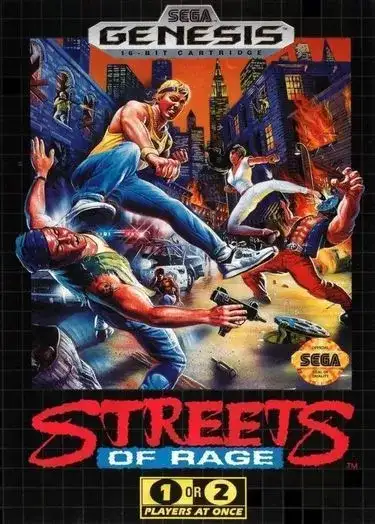
Streets of Rage
Streets of Rage#cite_note-3) is a 1991 beat 'em upvideo game developed and published by Sega for the Sega Genesis. Players control one of three former police officers turned vigilantes who battle a crime syndicate. It establishes many conventions of the Streets of Rage series, such as two-player cooperative play and an acclaimed techno soundtrack from composer Yuzo Koshiro. It was ported for the Game Gear, Sega CD and Master System and has been rereleased as part of various compilations and on download services.
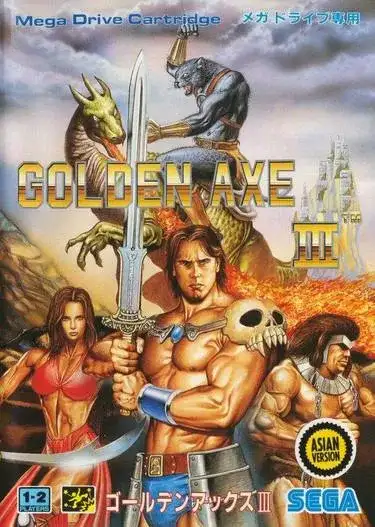
Golden Axe III
Golden Axe III is a 1993 beat 'em up game developed and published by Sega for the Sega Genesis. Originally exclusive to Japan, it was made available in North America via the Sega Channel online service in 1995. In this sequel to Golden Axe II, the player controls one of four warriors as they attempt to defeat the evil Damud Hellstrike, who has stolen the Golden Axe and kidnapped the princess of Yuria. Much like its predecessors, the game is based around side-scrolling levels where the player defeats enemies with their melee weapon or fists, while riding creatures known as Bizarrians, or through elemental magic. Several new offensive and defensive moves, like blocking and projectile attacks, can also be used. The game received negative reviews, being criticized for a lack of innovation and originality, as well as the graphics, which were seen as a downgrade from its predecessors.
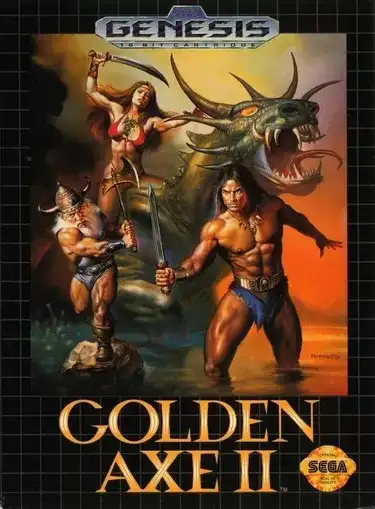
Golden Axe II
Golden Axe II is a 1991 beat 'em up video game developed and published by Sega for the Sega Genesis. It is a sequel to 1989's Golden Axe, and the second installment of the Golden Axe series. The player controls one of three warriors as they attempt to recover the Golden Axe by slaying Dark Guld and his loyal followers. Much like its predecessor, the gameplay is based around side-scrolling levels where the player fights enemies by using their melee weapon, while riding a beast, or utilizing elemental magic. The game revamps and introduces various gameplay mechanics from its contemporary including the ability to select the level of magic used and an attack that hits all around the player’s character. Upon release, the game received mixed reception from critics. They faulted its easier difficulty and the lack of meaningful improvements from its predecessor.
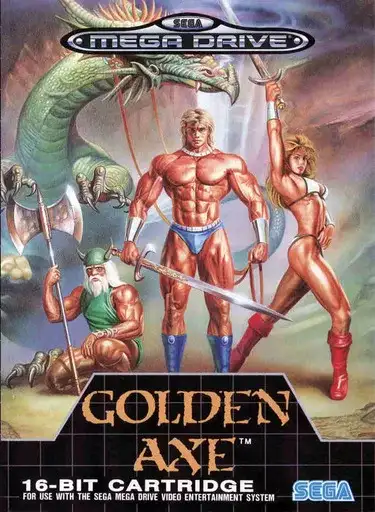
Golden Axe
Golden Axe is a 1989 beat 'em up video game developed and published by Sega for arcades on the Sega System 16B hardware. Players control one of three warriors who must free the fantasy land of Yuria from the tyrannical rule of Death Adder, who wields the titular Golden Axe. The lead designer was Makoto Uchida, who was also responsible for the creation of Sega's earlier Altered Beast (1988). Golden Axe was well received at the time of release, and was later ported to several home systems, including Sega's own Mega Drive/Genesis and Master System. The game's success spawned a franchise with several sequels and spin-offs, beginning with Golden Axe II in 1991.
Sonic Boom
Sonic Boom (ソニック・ブーム, Sonikku Būmu) is a vertical scrolling shooter developed by Sega and released in the arcades in 1987. Home computer versions for the Amiga, Atari ST, Amstrad CPC, Commodore 64 and ZX Spectrum were released in 1990 by Activision. The original arcade version was released on the Sega Astro City Mini console in 2021.
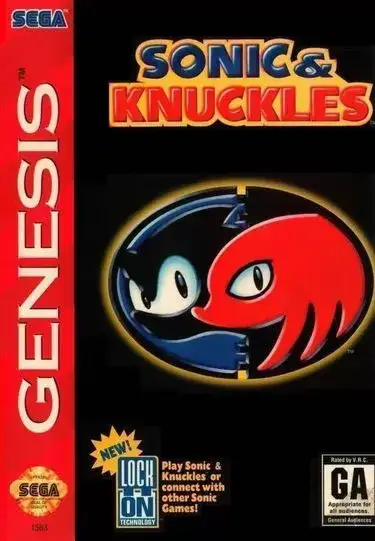
Sonic & Knuckles
Sega Technical Institute developed Sonic & Knuckles simultaneously alongside its predecessor, Sonic the Hedgehog 3 (1994); they were planned as a single game until time constraints and cartridge costs forced the developers to split it. The _Sonic & Knuckles_cartridge features an adapter that allows players to connect the Sonic the Hedgehog 3 cartridge, creating a combined game, Sonic 3 & Knuckles. Sonic the Hedgehog 2 (1992) can also be attached, allowing players to control Knuckles in Sonic 2 stages. Attaching the original Sonic the Hedgehog "Sonic the Hedgehog (1991 video game)") or any other Genesis game released prior to this will unlock the "Blue Sphere" minigame. Sonic & Knuckles was released for the Sega Genesis on October 18, 1994. It received positive reviews; critics were impressed with the replay value and lock-on technology, despite its similarity to Sonic 3. The games sold a combined four million copies worldwide, placing them among the best-selling Sega Genesis games.
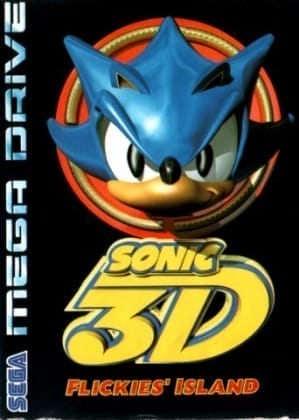
Sonic 3D Blast
Sonic 3D Blast, known in regions outside North America as Sonic 3D: Flickies' Island, is a 1996 platform game in the Sonic the Hedgehog series for the Sega Genesis and Sega Saturn. As Sonic the Hedgehog "Sonic the Hedgehog (character)"), the player embarks on a journey to save the Flickies, birds enslaved by Doctor Robotnik. The player must guide Sonic through a series of themed levels "Level (video gaming)") to collect Flickies and defeat Robotnik. Though it retains game mechanics from prior Sonic games, Sonic 3D Blast is differentiated by its 2D isometric perspective, with pre-rendered3D models converted into sprites "Sprite (computer graphics)"). The concept for Sonic 3D Blast originated during the development of Sonic the Hedgehog 3 (1994). Most of the programming was outsourced to the British studio Traveller's Tales, as the Japanese Sonic Team staff was preoccupied with Nights into Dreams (1996).
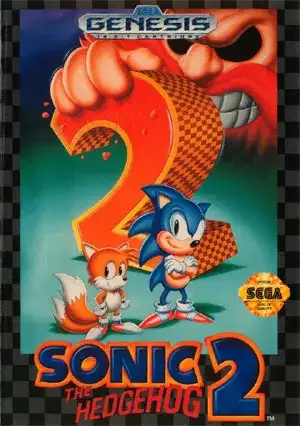
Sonic the Hedgehog 2
Sonic the Hedgehog 2 is a 1992 platform game developed by Sega Technical Institute (STI) for the Sega Genesis. Players control Sonic as he attempts to stop Doctor Robotnik from stealing the Chaos Emeralds to power his space station, the Death Egg. Like the first Sonic the Hedgehog (1991), players traverse side-scrolling levels at high speeds while collecting rings, defeating enemies, and fighting bosses. Sonic 2 introduces Sonic's sidekick Miles "Tails" Prower and features faster gameplay, larger levels, a multiplayer mode, and special stages featuring pre-rendered 3D graphics. After Sonic the Hedgehog greatly increased the popularity of the Genesis in North America, Sega directed STI's founder, Mark Cerny, to start Sonic 2 in November 1991. Members of Sonic Team—including the programmer Yuji Naka and the designer Hirokazu Yasuhara—moved from Japan to California to join the project. Sonic 2 was intended to be faster and more ambitious than the first game.

Sonic the Hedgehog
Sonic the Hedgehog,#cite_note-1) commonly referred to as Sonic '06, is a 2006 platform game developed by Sonic Team and published by Sega. It was intended as a reboot of the Sonic franchise for seventh-generation video game consoles. Players control Sonic "Sonic the Hedgehog (character)"), Shadow, and the new character Silver as they seek to defeat Solaris, an ancient evil pursued by Doctor Eggman. Each character has his own campaign and abilities, and must complete levels "Level (video gaming)"), explore hub worlds and fight bosses "Boss (video gaming)") to advance the story. In multiplayer modes, players can work cooperatively to collect Chaos Emeralds or race to the end of a level. The development began in early 2005, led by Sonic co-creator Yuji Naka. Sonic Team sought to create a game in the vein of superhero films such as Batman Begins (2005), hoping it would advance the series with a realistic tone and multiple gameplay styles.
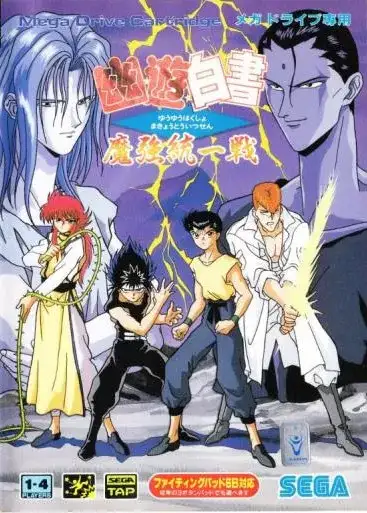
Yu Yu Hakusho
Yu Yu Hakusho Makyō Tōitsusen is a 1994 fighting game developed by Treasure and published by Sega for the Mega Drive. It is based on the manga series Yu Yu Hakusho by Yoshihiro Togashi. The plot follows the protagonist Yusuke Urameshi, who is tasked by the ruler of the afterlife with solving detective-style cases involving both humans and demons threatening the living world. The story begins to focus heavily on martial arts battles as it progresses. The game features 11 playable characters from the manga and traditional 2D fighting gameplay. Opponents compete in rounds, attempting to deplete each other's health by utilizing short and long-range attacks and special combos "Combo (video gaming)"). It also integrates other mechanics, such as allowing up to four players to compete simultaneously and letting fighters alternate between horizontal planes in the foreground and background.
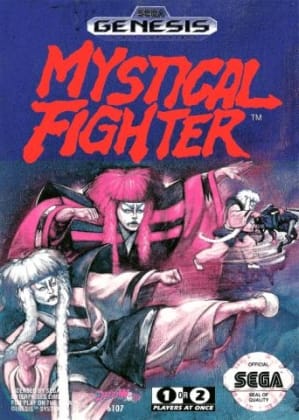
Mystical Fighter
Mystical Fighter, originally released in Japan as Maō Renjishi (魔王連獅子, Demon King Renjishi) is a beat 'em up game for the Sega Genesis. The story, designs and characters are based on Japanese mythology.
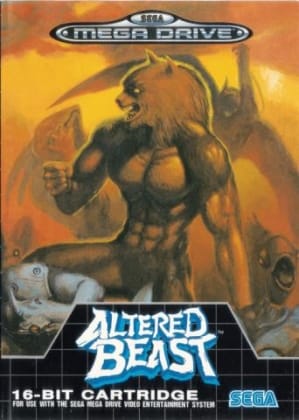
Altered Beast
Altered Beast is a 1988 beat 'em upvideo game developed by Team Shinobi and published by Sega for arcades. Set in Ancient Greece, the game follows a Roman centurion who is resurrected by the Olympian god Zeus to rescue his daughter Athena from Neff, the demonic ruler of the underworld. By collecting three power-ups in a level, the player character can transform into one of five mythical beasts. The game's development was led by Makoto Uchida "Makoto Uchida (game developer)"), and marked his first role as a project lead. Uchida and his team used the System 16arcade system board. Altered Beast was ported to several consoles and home computers, and was the original pack-in game for the Sega Genesis/Mega Drive when the console was launched in North America in 1989 and Europe in 1990. Altered Beast's arcade release and its ports received generally positive reviews, with mainly praising the gameplay and graphics.
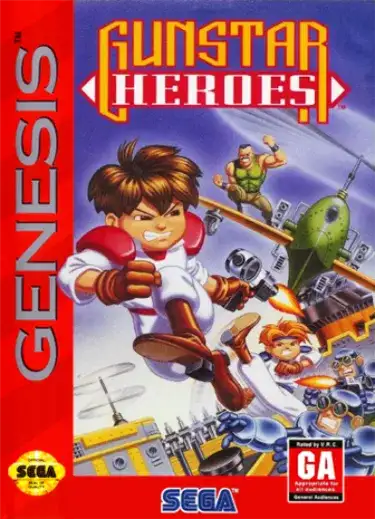
Gunstar Heroes
Gunstar Heroes is a 1993 run and gun video game developed by Treasure and published by Sega for the Sega Genesis. It was Treasure's first developed video game. The premise is centered around a pair of characters, the Gunstars, in their efforts to stop an evil empire from recovering four powerful gems. The characters can fire guns and perform a series of acrobatic maneuvers to fight enemies across each stage. There are four weapons which can be combined with one another to create different shot types. Development on Gunstar Heroes began among a team of staff working at Konami in 1991. Following an unwillingness of Konami to embrace their original game ideas, the team quit in 1992 and formed Treasure to see their project through. The team wanted to develop their game for the Genesis because of the system's powerful Motorola 68000 microprocessor.
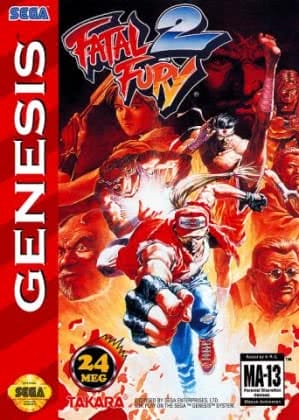
Fatal Fury 2
Fatal Fury 2, known as Garō Densetsu 2: Aratanaru Tatakai in Japan, is a 1992 fighting game developed and published by SNK for arcades. It is the second installment in the Fatal Fury franchise and the sequel to Fatal Fury: King of Fighters (1991). It was later ported to several home systems, including the Super Nintendo Entertainment System and Sega Genesis by Takara. Its updated version, Fatal Fury Special, was released in 1993. The game introduced Kim Kaphwan, the first Taekwondo and the first Korean character in fighting games, and Mai Shiranui, one of SNK's mascots, their primary sex symbol, and one of the most well-known female video game characters. Both of them went on to become mainstays in both Fatal Fury games as well as The King of Fighters series. Fatal Fury 2 was the second game in SNK's 100-Mega Shock series, offering improved graphics and gameplay over the original Fatal Fury: King of Fighters.
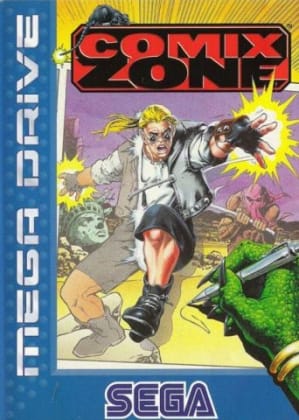
Comix Zone
Comix Zone is a 1995 beat 'em up game developed by Sega Technical Institute (STI) and published by Sega for the Sega Genesis. Set within the panels "Panel (comics)") of a comic book, it follows the comic writer/artist Sketch Turner who, after being transported into the comic by one of his creations, attempts to escape while contending with various threats. The game sees the player traversing six levels "Level (video games)"), where they interact with the comic world and must defeat enemies, or occasionally solve puzzles, to progress. Conceived by STI programmer Peter Morawiec, the concept for the game was originally shown off in 1992 via a demonstration video, entitled Joe Pencil Trapped In The Comix Zone. The concept was greenlit by Sega of America CEO Tom Kalinske and development began on the game in late 1993.
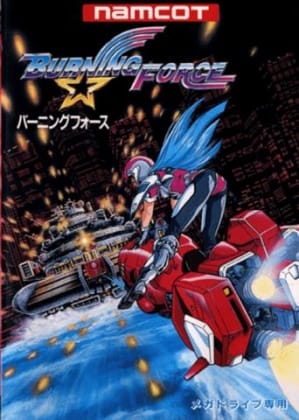
Burning Fight
Burning Fight is a 1991 beat 'em upvideo game developed and published by SNK for arcades on the Neo Geo MVS system. Introduced to capture a share in the then-popular beat 'em ups market, it was meant to compete with Technōs' Double Dragon "Double Dragon (video game)"), the leader of the genre at the time. Three years after its release in the arcades and on the Neo Geo AES, it was released on Neo Geo CD as the only other home version. The game was produced by SNK co-founder Eikichi Kawasaki, best known for his work on various other SNK titles, such as the Fatal Fury, Art of Fighting, and Samurai Shodown series. A re-release version of Burning Fight is included in SNK Arcade Classics Vol. 1, which was released for the PlayStation 2, PlayStation Portable and Wii in 2008. Duke Edwards and Billy King, two renowned New York City Police detectives, are hot on the trail of a dangerous Japanese crime syndicate.
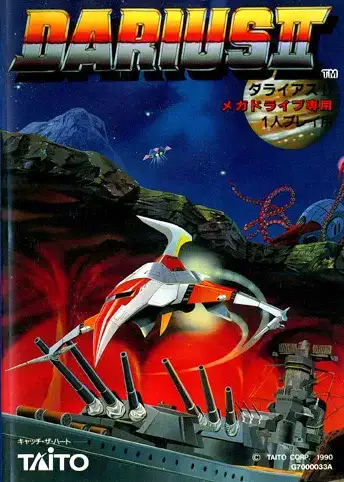
Darius II
Following the death of Artaxerxes I, in 424 BC or 423 BC, there was a struggle for power between his sons. The victor, Ochus, adopted the name Darius (Greek sources often call him Darius Nothos, "Bastard"), in reference to his unattested lineage. His reign was marked by a series of revolts by various satraps and involvement in the Greek Peloponnesian War. It seems that Darius II was quite dependent on his wife Parysatis. In excerpts from Ctesias, some harem intrigues are recorded, in which he played a disreputable part. The Elephantine papyri#Archaeology "Johanan (High Priest)") mention Darius II as a contemporary of the high priest Johanan of Ezra 6:10. Darius II is potentially mentioned in the books of Haggai, Zechariah, and Ezra–Nehemiah of the Hebrew Bible (the ChristianOld Testament). There is some debate on whether these books refer to Darius the Great though.
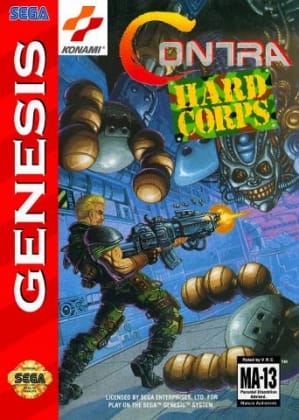
Contra: Hard Corps
Contra: Hard Corps, released as Contra: The Hard Corps in Japan and Probotector in Europe and Australia, is a 1994 run and gun game developed and published by Konami for the Sega Genesis, making it the first game in the Contra series released for a Sega platform. Set five years after the events of Contra III: The Alien Wars, a terrorist group led by the renegade Colonel Bahamut has stolen an alien cell recovered from the war and now intends to use it to produce weapons. A new task force, known as the titular "Hard Corps", are sent to deal with the situation. The game features a branching storyline with multiple possible endings. Hard Corps spawned its own series of follow-ups; including the Appaloosa-developed sequels, Contra: Legacy of War & C: The Contra Adventure; and the Arc System Works-developed prequel, Hard Corps: Uprising. Hard Corps has since been considered to be a spin-off from the mainline Contra entries.
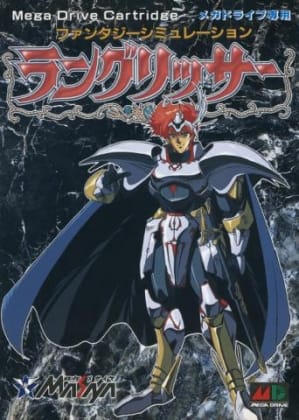
Langrisser
Units work on an affinity system. Fliers are strong to soldiers but weak to bowmen. Soldiers are strong to pikemen but weak to cavalry. Cavalry are strong to soldiers and weak to pikemen. Holy units are strong against demon units. Seafaring units get a tactical advantage when attacking from water. The game engine used in Langrisser III is a considerable departure from the rest of the series, relying on mass battles between a commander's entire platoon against his enemy's. Since Der Langrisser, the series offered non-linear branching paths and multiple endings. The player's choices and actions in Der Langrisser affected which of four different paths they followed, either aligning "Alignment (role-playing games)") themselves with one of three different factions or fighting against all of them. Each of the four paths leads to a different ending and there are over 75 possible scenarios. Langrisser III introduced a relationship system similar to dating sims.
Browse our collection of 66 Sega Genesis retro games, all playable instantly in your browser. No download required. Play classic games online in your browser and save your progress anytime.