All Games
456 games
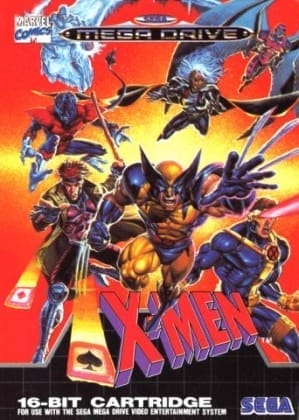
X-Men
In 2011, IGN named the game in its "Fifteen Really, Really, Really Hard Games" list, citing "unfairly placed enemies, ridiculously annoying jumps and near-impossible-to-beat bosses", as well as the need to lightly press the Genesis' reset button in "Mojo's Crunch".#cite_note-IGN-4) The requirement to reset effectively means the game cannot be completed on a Genesis Nomad. Power Unlimited gave X-Men a score of 82% writing: "X-Men for the Megadrive is a platform game with an original approach. It's basically a platform, tactics, fighting and strategy game all in one. The game is therefore extremely extensive and varied. A true must for superhero fans."#cite_note-5) The game was ranked number 7 on GameTrailers' "Top 10 X-Men Games" list.
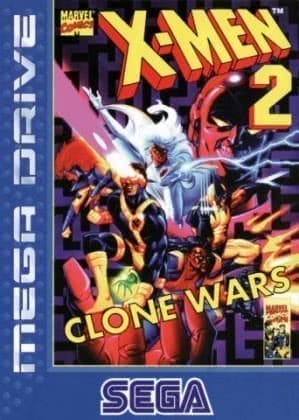
X-Men 2: Clone Wars
X-Men 2: Clone Wars is a 1995 2D action-platformervideo game developed by Headgames and released by Sega of America for the Mega Drive/Genesis as a sequel to the 1993's X-Men "X-Men (1993 video game)"). The game is based on the adventures of the Marvel Comics superhero team, the X-Men. A sequel, titled X-Women, was cancelled. The game begins with a cold open; upon booting up the console, the first stage begins with the player character being randomly selected from the roster. Completing the first stage prompts the appearance of the title sequence and opening narration. In most stages, the player must traverse environments populated with enemies and hazards and reach the exit. Some stages require the player to fight and defeat a boss enemy to proceed; minor boss fights occur at the end of the stage, while major boss fights comprise stages in their entirety.
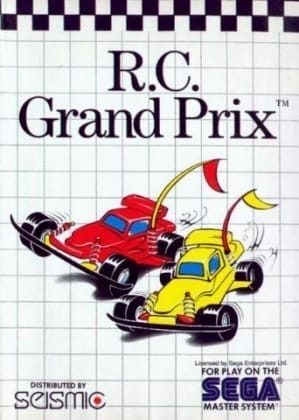
R.C. Grand Prix
R.C. Grand Prix is an isometric racing game. Depicting 1:10 off-road racing, the player controls a radio-controlled buggy and races against three other cars to become the grand champion. The player has to play through 10 increasingly difficult stages and buy new parts for the controlled car from the prize money awarded from each stage. If the player is placed last in a stage or does not complete the stage within the time-limit, the game is over. It is possible to play this game in multi-player mode with up to four players. The players play through each stage, one at a time, and the order of play is based on the current standings in the game. The game also features a drag race bonus stage which is only available in multi-player mode. Here, two players race each other for some bonus prize money.
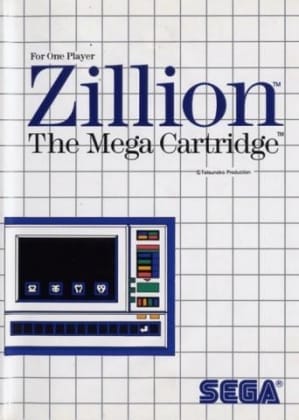
Zillion
Zillion, known as Akai Koudan Zillion (赤い光弾ジリオン; lit. Red Photon Zillion) in Japan, is a space adventure platform video game developed by Sega and designed for the Master System as a companion tie-in for Tatsunoko Production's Zillion anime series in 1987. The Zillion series prominently features Sega's egg-shaped mascot, Opa-Opa, who stars in the Fantasy Zone games, which are also available for the Master System. A sequel to the game, Zillion II was released in 1988.
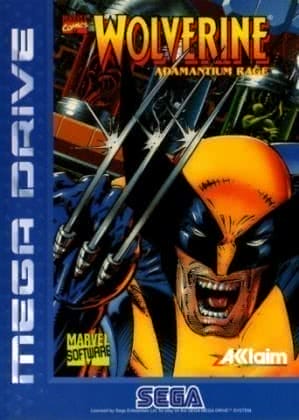
Wolverine: Adamantium Rage
GamePro panned the Genesis version, criticizing the generic design, lack of excitement, and most especially the controls, which they said are so poor that even clearing the first level is almost impossible. They concluded, "when the highlights of a game are its mediocre graphics and sounds, that should trigger an immediate red flag".Electronic Gaming Monthly gave it a 4.25 out of 10. Though their four reviewers were divided about the game's graphics, they unanimously commented that the controls are remarkably poor. Two of them also complained about the number of "instant hits".Next Generation "Next Generation (magazine)") reviewed the Genesis version of the game, rating it two stars out of five, and stated that "Wolverine is a decent platform brawler, but in the end it's just another platform brawler. And around here that's only good for two".
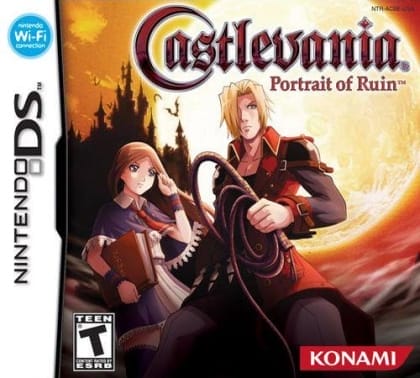
Castlevania: Portrait of Ruin
Castlevania: Portrait of Ruin is a 2006 action role-playing game developed and published by Konami for the Nintendo DS handheld system. The game is the first in the Castlevania series to feature a cooperative multiplayer gameplay mode and the first handheld entry to have English voice-overs, outside of its original Japanese release. The game is a continuation of the events from Castlevania: Bloodlines, a 1994 Sega Genesis title. Set in Europe during World War II, the story follows Jonathan Morris, the son of John Morris from Castlevania: Bloodlines, and Charlotte Aulin as they attempt to stop a vampire from resurrecting Dracula. The game expands on the two character gameplay found in Castlevania: Dawn of Sorrow and adds new cooperative online functionality while foregoing much of the mechanics involving the Nintendo DS touch screen. Portrait of Ruin received an overall positive critical response and several awards as one of the best Nintendo DS games.
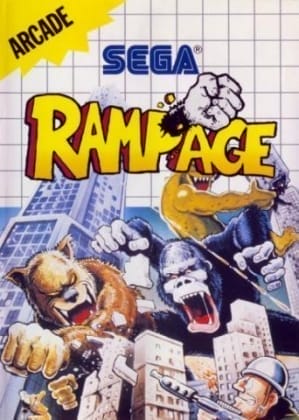
Rampage
Rampage is a 1986 actionvideo game developed and published by Bally Midway for arcades.#cite_note-13) Inspired by monster films, players control a trio of monsters: George, Lizzie, and Ralph, humans transformed into creatures due to various experimental mishaps. The goal is to destroy cities and combat military forces while staying alive. The game is set across 128 days in cities throughout North America, with each cycle repeating five times. Gameplay includes destroying buildings, eating humans, and avoiding damage. Rampage spawned ports to various home consoles and computers, as well as five sequels "Rampage (franchise)") and a 2018 film adaptation "Rampage (2018 film)").#cite_note-14)Warner Bros. owns all rights to the property via their purchase of Midway Games.
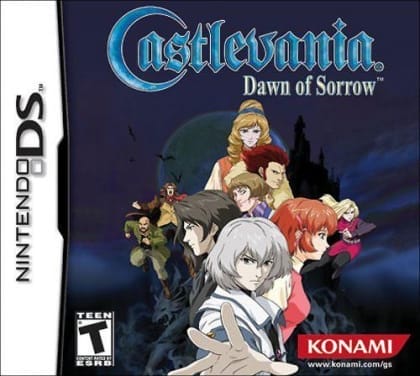
Castlevania: Dawn of Sorrow
Castlevania: Dawn of Sorrow is a 2005 action role-playing game developed and published by Konami. It is part of Konami's Castlevania video game series and the first Castlevania game released on the Nintendo DS. The game is the sequel to Castlevania: Aria of Sorrow and incorporates many elements from its predecessor. Dawn of Sorrow continues the story of Aria of Sorrow: Dracula has been defeated, with his powers assumed by his reincarnation, Soma Cruz. With the help of his allies, Soma avoids becoming the new dark lord. A cult forms to bring forth a new one by killing Soma. Soma and his allies move to ensure that does not happen. Dawn of Sorrow incorporates many features from earlier Castlevania games: the combination of elements from platform games and role-playing video games, the "Tactical Soul" system featured in Aria of Sorrow and a dark, gothic atmosphere.
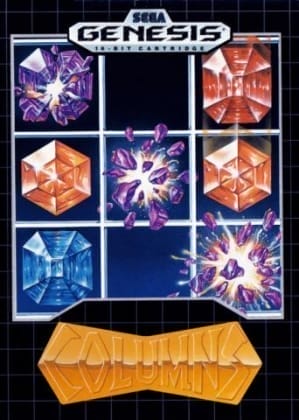
Columns
Columns was the first pack-in game for the Game Gear. This version was slightly different from the Genesis version, and its soundtrack was transposed and rearranged due to limitations of the handheld's sound chip. While the columns themselves were updated for the Genesis version, the overall decoration was less like a cartoon in the Game Gear version and instead more artistically designed. Lastly, the Game Gear version had a feature that let the player change the jewels to fruit, squares, dice, or playing card suits (clubs, diamonds, spades, and hearts). In 1990, Compile and Telenet Japan developed and published an MSX2 version. In November 2006, Columns was released as part of the game Sega Genesis Collection for the PlayStation 2, and later for PlayStation Portable. The same year on December 4, it was released on Nintendo's Virtual Console for Wii. It is also included on Sonic's Ultimate Genesis Collection for the PlayStation 3 and Xbox 360.
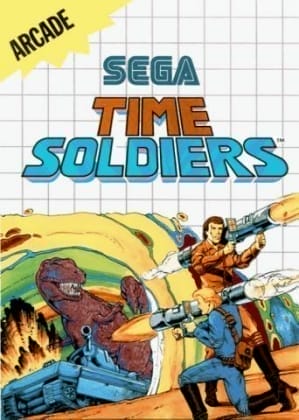
Time Soldiers
Time Soldiers, known in Japan as Battle Field (バトル フィールド), is a 1987 run and gun video game developed by Alpha Denshi "ADK (company)") for arcades and published by SNK. It was distributed in North America by Romstar. A Master System version was also produced, as well as versions titled Time Soldier for the Amiga, Commodore 64, and Atari ST. Time Soldiers can be played by either a single-player, or by two players simultaneously. Players move their characters with an eight-way rotary joystick, shooting enemies along a scrolling backdrop. The rotary joystick allows players to walk in one of eight directions while shooting in any of twelve directions. These controls are similar to the SNK-developed Ikari Warriors (1986) which allowed the player to walk and rotate in eight directions. The plot involves the protagonists traveling through time to rescue their comrades from the villainous Gylend.
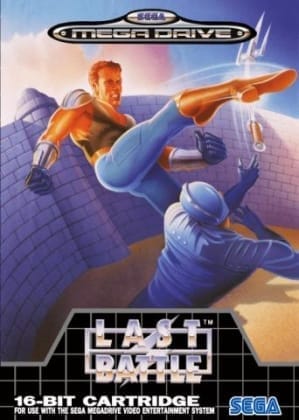
Last Battle
Last Battle: Legend of the Final Hero is a side-scrollingmartial artsbeat 'em up released for the Mega Drive/Genesis in 1989 by Sega. It was one of the six games that were available as part of the Genesis launch lineup in the U.S. The Japanese version, titled Hokuto no Ken: Shinseikimatsu Kyūseishu Densetsu (北斗の拳 新世紀末救世主伝説; lit."Fist of the North Star: The New Legend of the Post-Apocalyptic Messiah"), is based on the manga and anime series Fist of the North Star (Hokuto no Ken in Japanese). Since the international version did not retain the Hokuto no Ken license, the graphics and characters' names were altered. It was the second Hokuto no Ken game released by Sega, following the Mark III original, released internationally as Black Belt "Black Belt (1986 video game)"). Versions for the Commodore 64 and Amiga based upon Last Battle were developed and released by Elite in Europe in 1991. Last Battle is a side-scrolling action game similarly to its predecessor Black Belt.
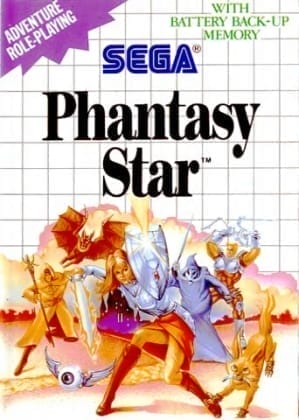
Phantasy Star
Phantasy Star#cite_note-8) is a 1987 role-playing video game (RPG) developed and published by Sega for the Master System. One of the earliest Japanese RPGs for consoles, it tells the story of Alis on her journey to defeat the evil ruler of her star system, King Lassic, after her brother dies at his hands. She traverses between planets, gathering a party of fighters and collecting the items she needs to avenge her brother's death and return peace to the star system. The gameplay features traditional Japanese RPG elements including random encounters and experience points. All the characters have predefined personalities and abilities, a unique element compared to the customizable characters of other RPGs of the era. Sega launched the development of Phantasy Star so their Master System could compete with the burgeoning popularity of console RPGs, particularly Dragon Quest "Dragon Quest (video game)") (1986) on the Famicom.
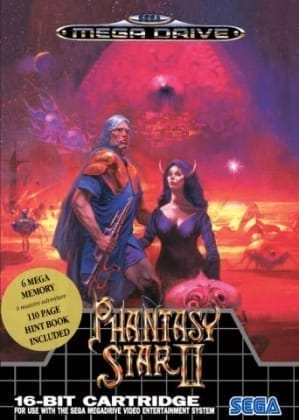
Phantasy Star II
Phantasy Star II is a science fantasy role-playing video game developed and published by Sega for the Sega Genesis. It was released in Japan in 1989 and North America and Europe in 1990. It was later ported to a variety of different platforms. An updated remake, Phantasy Star Generation 2, was released for the PlayStation 2 in 2005 in Japan. Phantasy Star II is the second installment in Sega's acclaimed Phantasy Star series and serves as a sequel to the original Phantasy Star for the Master System. Phantasy Star II takes place 1,000 years after the events of its predecessor and follows the journey of a government agent named Rolf and his friends, who are on a mission to discover why the protector of the planet Mota, Mother Brain, has started malfunctioning. Phantasy Star II was the first video game to use a 6 mega-bit cartridge, making it the biggest video game on a console at the time. Since its release Phantasy Star II has been the subject of critical acclaim.
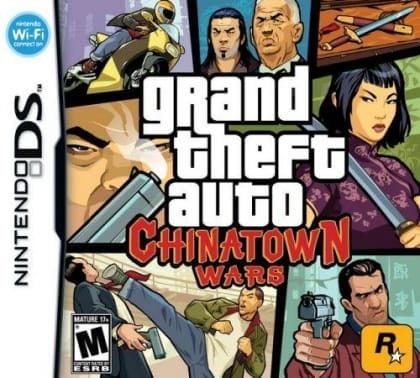
Grand Theft Auto: Chinatown Wars
Grand Theft Auto: Chinatown Wars is a 2009 action-adventure game developed by Rockstar Leeds in conjunction with Rockstar North and published by Rockstar Games. The game was released for the Nintendo DS in March 2009, PlayStation Portable in October 2009, iOS in January 2010, and Android and Fire OS devices in December 2014. It is the thirteenth game in the Grand Theft Auto series and a follow-up to Grand Theft Auto IV, and is the first entry to be released for handheld consoles since 2006's Vice City Stories. Set within modern-day Liberty City (a fictional satire of New York City), the single-player story follows young Triad member Huang Lee and his efforts to recover a sword gifted by his late father after it is stolen from him, while inadvertently becoming caught in a power struggle amongst Liberty City's Triads.
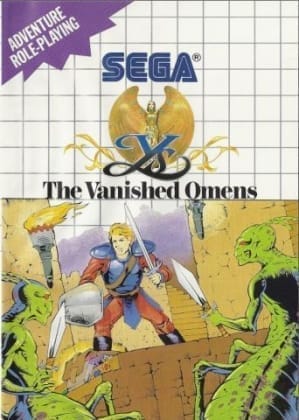
Ys: The Vanished Omens
Ys I: Ancient Ys Vanished, also known as Ys: Ancient Ys Vanished - Omen, Ys: The Vanished Omens, Ancient Land of Ys or simply Ys (Japanese title: イース), is a 1987 action role-playing game developed by Nihon Falcom. It is the first installment in the Ys series. Initially developed for the PC-88 by Masaya Hashimoto (director, programmer, designer) and Tomoyoshi Miyazaki (scenario writer), the game was soon ported to the Sharp X1, PC-98, FM-7, and MSX2 Japanese computer systems. Set in a land called Esteria, the story centers around the titular civilization called Ys, which had mysteriously vanished 700 years ago with only traces of its existence being kept within the game's six books. When it is prophesied that an impeding darkness would come to threaten Esteria, a young and adventurous warrior named Adol Christin is called forward to collect these six books to aid him in vanquishing the darkness.
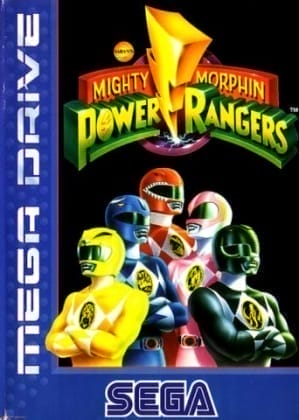
Mighty Morphin Power Rangers
Mighty Morphin Power Rangers is the title of five different video games based on the first season of the television series of the same name, one for each of the following game platforms: Sega Genesis, Super Nintendo Entertainment System, Game Boy, and Game Gear. The Nintendo versions of the game were released by Bandai, while the Sega versions were published by Sega itself and the production of the cartridge versions was carried by Banpresto, a pseudonym of Bandai. The Green Ranger is only playable on the Genesis and Game Gear versions of the game. The Super NES version of Mighty Morphin Power Rangers is a side-scrolling action game composed of seven stages, with two different gameplay styles. The four reviewers of Electronic Gaming Monthly gave the Super NES game ratings of 7/10, 6/10, 6/10 and 7/10. Three reviewers said it was too similar to other games in the genre, with one saing it's "just another mindless Final Fight-type game.
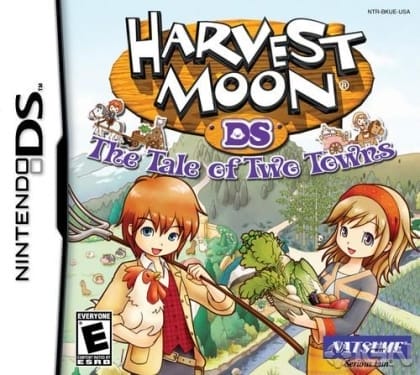
Harvest Moon: The Tale of Two Towns
Harvest Moon: The Tale of Two Towns is a farming simulation video game developed by Marvelous Entertainment "Marvelous (company)") for the Nintendo DS and Nintendo 3DS as part of the Story of Seasons series. It was released in North America on the Nintendo DS on September 20, 2011 and on the Nintendo 3DS on November 1, 2011 by Natsume Inc. The original release date for the Japanese version was set to February 25, 2010 but was moved to July 8, 2010. The DS version is titled as Harvest Moon DS and the 3DS version is titled as Harvest Moon 3D. New features in the game include new animals like Alpacas and Honey Bees and a Pickle Pot that can be used to make pickled turnips. An enhanced 3DS version titled Bokujō Monogatari: Futago no Mura+ was released in Japan on December 14, 2017. It included access to StreetPass and better controls.
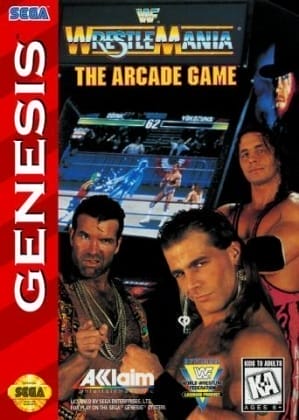
WWF WrestleMania: The Arcade Game
Shortly after the game was released, Midway executive Roger Sharpe claimed that Adam Bomb appears in the game. Many years later, developer Sal DiVita confirmed that Adam Bomb was a hidden character, but also stated that the character in the game was not fully completed. Ports were developed for Mega Drive/Genesis, 32X, Super NES, PlayStation, Sega Saturn, and MS-DOS. The Super NES release omits Bam Bam Bigelow and Yokozuna. When the maximum of three characters are on screen simultaneously, the game slows down. It also lacks several voice and commentary samples and damage taken by in-game fighters from attacks was reduced. The Genesis version retains most of the voice and commentary samples from the arcade and allows for four wrestlers on-screen, also with slow down. The 32X release is similar to the standard Genesis version, but with improved graphics and audio.
Black Belt
Black Belt in the American South, a region of highly fertile black soil in the American South that was the center of slavery, and continues to have a large black population into the 21st century Black Belt (geological formation) "Black Belt (geological formation)"), geological formation of dark fertile soil in the Southern United States Black Belt (region of Alabama) "Black Belt (region of Alabama)"), a geographic and socio-political region of Alabama Black Belt (region of Chicago) "Black Belt (region of Chicago)"), a historical region in Chicago, Illinois, in the South Side area
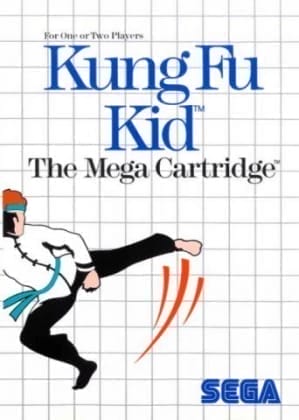
Kung Fu Kid
Kung Fu Kid, known in Japan as Makai Retsuden (魔界列伝), is a 1987 beat 'em upvideo game developed and published by Sega for the Master System. It is the follow-up to Dragon Wang for the SG-1000.
ToeJam & Earl
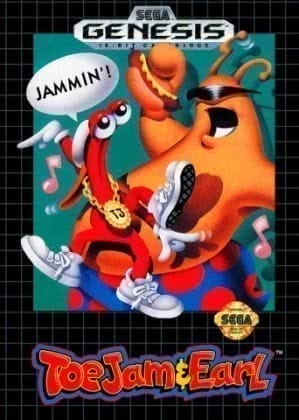
ToeJam & Earl is a 1991 action video game developed by Johnson Voorsanger Productions and published by Sega for the Genesis console. It centers on ToeJam and Earl—alienrappers who have crash-landed on Earth—as they attempt to escape the planet, players assume the role of either character and collect pieces of their wrecked spacecraft. It references and parodies 1980s and early-'90s urban culture and is set to a funk soundtrack. ToeJam & Earl's design was heavily influenced by the role-playing video game_Rogue "Rogue (video game)") (1980) and derived various features from the game, such as the random generation of levels and items. As such, ToeJam & Earl is often considered to be an early example of a roguelike game. The game was positively received by critics, who praised its originality, soundtrack, humor and two-player cooperative mode. It attained sleeper hit status despite low initial sales, and its protagonists were used as mascots by Sega.
Plants vs. Zombies
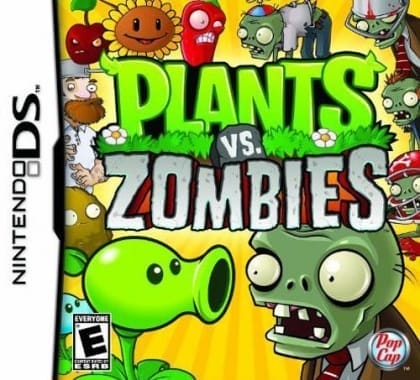
The series has a variety of game genres. The original game and its sequels Plants vs. Zombies Adventures, Plants vs. Zombies 2, and Plants vs. Zombies 3 are tower defense games where the player has to use plants with different abilities to defend their home against a zombie invasion. Developed by PopCap Vancouver, the spin-off Plants vs. Zombies: Garden Warfare and its sequels are third-person shooters where the player can play as either the plants or zombies in multiplayer mode (and beginning in Plants vs Zombies: Garden Warfare 2, single player) matches. Plants vs. Zombies Heroes is a digital collectable card game with characters from previous installments. A remake of the original game, Plants vs. Zombies: Replanted, features upscaled graphics alongside new game-modes and features. Release timeline| 2009 | Plants vs. Zombies "Plants vs.
Teddy Boy
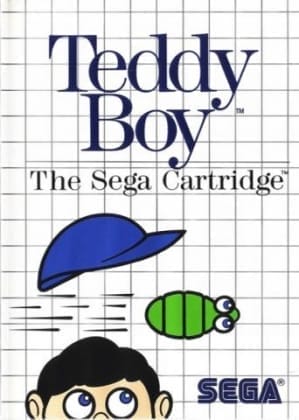
Teddy Boy Blues – Yohko Ishino (テディボーイ・ブルース / 石野陽子, Tedibōi Burūzu / Ishino Yōko) is a 1985 arcade video game made by Sega. It stars a young boy who is armed with a gun. Each level is an infinitely-repeating maze with several dice. Each die is filled with monsters which hatch out and the player must shoot to shrink, then collect them. If the player does not collect each shrunken monster quickly, it turns into a time-eating bug which flies to the time limit bar and consumes a chunk of it. If you touch one monster or run out of time then you lose a life. The game ends if all lives are lost. There are 50 distinct levels, called "rounds" in the game, even though the counter goes to 99 (the 100th level does not show). The player can play through the levels loops infinitely, with no apparent end. There are also "bonus rounds" every so often; in the Master System version, the player can shoot colored dice to reveal prizes and increase their score.
Alisia Dragoon
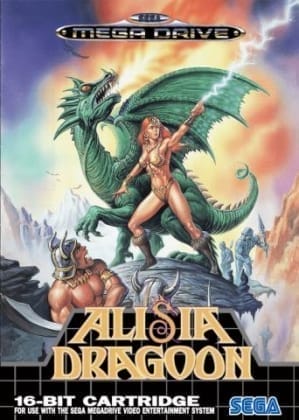
Alisia Dragoon is a 1992 platform game developed by Game Arts and published by Sega for the Sega Genesis. The player controls Alisia, a young woman who is on a quest to avenge her father and save the world. She can fire lightning from her hands and summon four faithful beasts to aid her. The game was later made available on the Sega Genesis Mini and Nintendo Classics service.
Browse our collection of 456 Games retro games, all playable instantly in your browser. No download required. Play classic games online in your browser and save your progress anytime.