Platform
Platform games
77 games
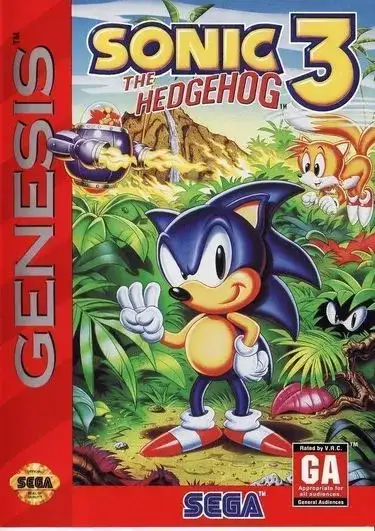
Sonic the Hedgehog 3
Sonic the Hedgehog 3 is a 1994 platform game developed by Sega Technical Institute and published by Sega for the Sega Genesis. Like previous Sonic games, players traverse side-scrolling levels while collecting rings and defeating enemies. They control Sonic and Tails, who attempt to retrieve the Chaos Emeralds to stop Doctor Robotnik from relaunching his space station, the Death Egg, after it crash-lands on a mysterious floating island. Sonic 3 introduces Knuckles the Echidna, the island guardian, who lays traps for Sonic and Tails. Development began in January 1993 by Sega Technical Institute in California, shortly after the release of Sonic the Hedgehog 2. It was initially developed as an isometric game, similar to what became Sonic 3D Blast (1996), but became a conventional 2D platformer due to time constraints.
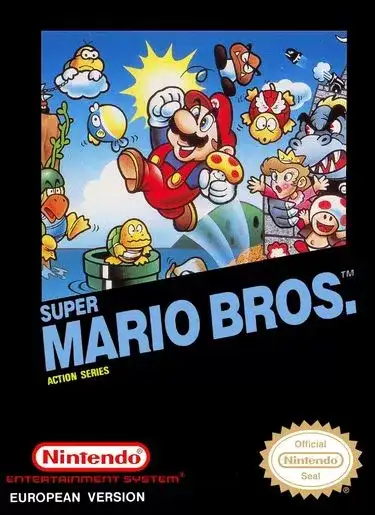
Super Mario Bros
Super Mario Bros. is a 1985 platform game developed and published by Nintendo for the Nintendo Entertainment System (NES). Directed and produced by Shigeru Miyamoto, it is the successor to the 1983 arcade game Mario Bros. and the first game in the Super Mario series. Players control Mario, or his brother Luigi in the multiplayer mode, to traverse the Mushroom Kingdom to rescue Princess Toadstool from King Koopa (later named Bowser). They traverse side-scrolling stages while avoiding hazards such as enemies and pits and collecting power-ups such as the Super Mushroom, Fire Flower, and Starman. Miyamoto and Takashi Tezuka designed Super Mario Bros. as a culmination of the team's experience working on Devil World and the side-scrollers Excitebike and Kung Fu "Kung-Fu Master (video game)"). Miyamoto wanted to create a more colorful platform game with a scrolling screen and larger characters. The team designed the first level, World 1-1, as a tutorial for platform gameplay.
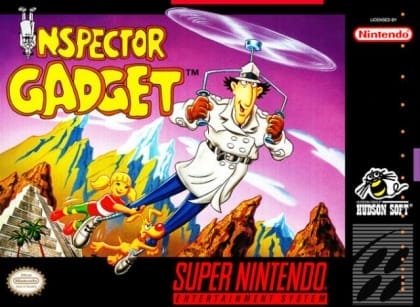
Inspector Gadget
Inspector Gadget is a 1993 side-scrollingaction video game for the Super Nintendo Entertainment System based on the television show of the same title "Inspector Gadget (1983 TV series)"). The game was released by Hudson Soft, with developers who also worked on Hudson's video game adaptations SWAT Kats: The Radical Squadron "SWAT Kats: The Radical Squadron (video game)") and An American Tail: Fievel Goes West "An American Tail: Fievel Goes West (video game)"). The normally bumbling Gadget is portrayed as fairly competent as he must rescue his niece Penny from the clutches of Dr. Claw and his M.A.D. terrorist organization. Dr. Claw's face makes a rare appearance in the game, unlike the cartoon, which keeps his face hidden.#cite_note-1) The player controls Inspector Gadget as he travels around the world to rescue his niece Penny, who has been kidnapped by the terrorist organization M.A.D. and its leader Dr. Claw.
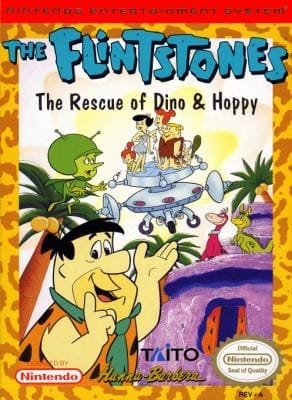
The Flintstones: The Rescue of Dino & Hoppy
The Flintstones: The Rescue of Dino & Hoppy (Japanese: フリントストーン The Rescue of Dino & Hoppy) is a 1991 platformvideo game by Taito for the Nintendo Entertainment System and based on the animated series The Flintstones. Taito would later release another Flintstones game for the NES titled The Flintstones: The Surprise at Dinosaur Peak in 1993.
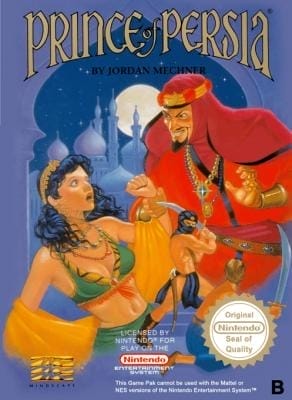
Prince of Persia
Mechner enrolled in New York University's film department, producing an award-winning short film during his time there, before returning to design and direct a sequel to the original game. The sequel, Prince of Persia 2: The Shadow and the Flame, was developed internally at Broderbund with Mechner's supervision. The game, like its predecessor, received critical acclaim and high sales. Broderbund was subsequently purchased by The Learning Company, which was later acquired by US game company Mattel Interactive. In 1999, Prince of Persia 3D was developed and released under Broderbund's Red Orb label. Released for PC and the Dreamcast only, it was criticized by many users as being buggy, and was a commercial disappointment. The Broderbund/Learning Company's games division, the assets of which included the Prince of Persia franchise, was subsequently sold to Ubisoft.
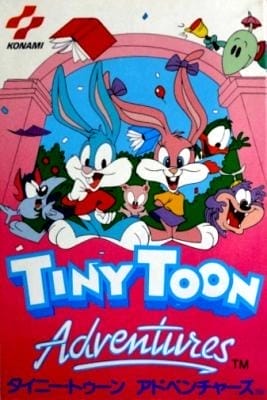
Tiny Toon Adventures
Tiny Toon Adventures is a platform video game for the NES. It was developed and published by Konami and released in 1991. It is the first Tiny Toon Adventures video game to be released for a video game console.
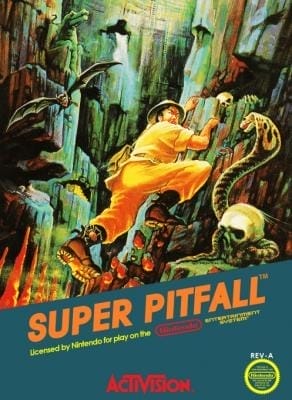
Super Pitfall!
Super Pitfall is a 1986 side-scrolling non-linear platform game for the Nintendo Entertainment System (NES). Despite the title screen stating that it was reprogrammed by Pony Inc., the development of the NES version was handled by Micronics, a Japanese developer who mostly ported arcade games to the NES. Super Pitfall was the first game that Activision published as a third-party developer for the NES. Following the original release of the game, ports were made in Japan by Makoto Ichinoseki for the PC-8800 series liner of computers and by Steve Bjork for the Color Computer 3. The game initially received positive reviews from VideoGames & Computer Entertainment and Computer Entertainer while Bill Kunkel wrote in Computer Gaming World that the game did not control well and did not stand out well in a market of Super Mario Bros. clones.
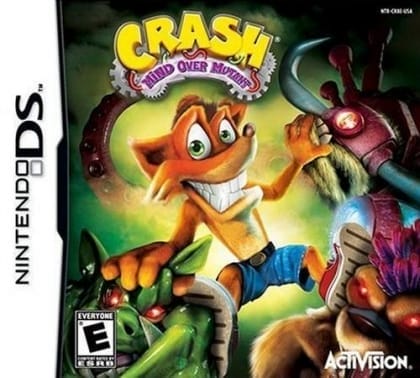
Crash: Mind Over Mutant
Crash: Mind over Mutant is a 2008 platform game developed by Radical Entertainment for the PlayStation 2, PlayStation Portable (ported by Virtuos), Wii and Xbox 360. It was released in North America on October 7, 2008, and was later released in Europe and Australia on October 30 and October 31, respectively. A separate version for the Nintendo DS was developed by Tose. It is the second game in the series not to have a Japanese release (after Crash of the Titans), the first to be published by Activision following its merging with the series' previous publisher Vivendi Games, and the last major console entry as a whole until 2017's Crash Bandicoot N. Sane Trilogy — a remaster of the first three Crash games. Crash: Mind over Mutant is the fifteenth installment in the Crash Bandicoot video game series, and the seventh in the main franchise.
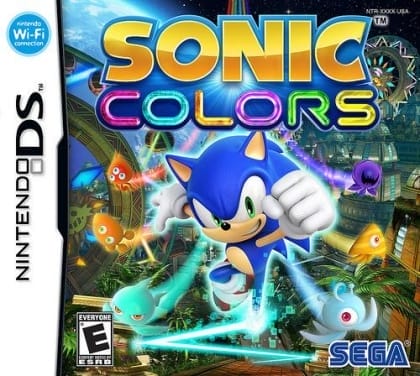
Sonic Colors
Sonic Colors (known as Sonic Colours in PAL regions) is a 2010 platform game developed by Sonic Team and published by Sega. It follows Sonic "Sonic the Hedgehog (character)")'s quest to stop his nemesis Doctor Eggman from enslaving an alien race and taking over the world. The gameplay is similar to prior Sonic games, with players collecting rings and defeating enemies; the camera perspective often switches from third-person to side-scrolling perspectives. The game also introduces Wisps "Wisp (Sonic)"), power-ups the player can use to increase attack power and reach new areas. Development of Sonic Colors began in 2008, following the completion of Sonic Unleashed. Examining criticisms of past games, the developers made Sonic the only playable character and worked to balance speed and platforming; the Wisps were introduced to diversify the gameplay without slowing it down. Two versions of the game were developed: one for the Wii by Sonic Team, and one for the Nintendo DS by Dimps.
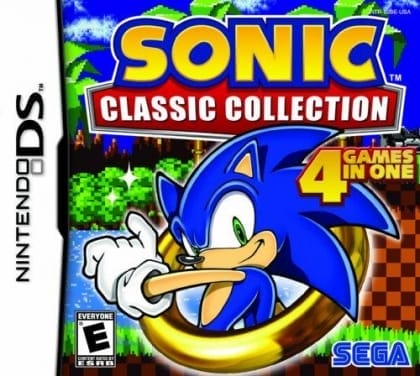
Sonic Classic Collection
Sonic Classic Collection is a 2010 video game compilation developed by Creative Assembly and published by Sega for the Nintendo DS. It contains the four main _Sonic the Hedgehog_platform games originally released for the Sega Genesis: Sonic the Hedgehog "Sonic the Hedgehog (1991 video game)") (1991), Sonic the Hedgehog 2 (1992), Sonic the Hedgehog 3 (1994), and Sonic & Knuckles (1994). Upon release, Sonic Classic Collection received mixed reviews. Sonic Classic Collection contains Sonic the Hedgehog "Sonic the Hedgehog (1991 video game)"), Sonic the Hedgehog 2, Sonic the Hedgehog 3, and Sonic & Knuckles. The Lock-on modes from the original Sonic & Knuckles cartridge (Knuckles in Sonic the Hedgehog 2 and Sonic 3 & Knuckles) are fully implemented and playable. The ability to save at any point, a feature absent in the original games, is also present. Alongside the main games, a gallery of character artwork from the Sonic series is viewable.
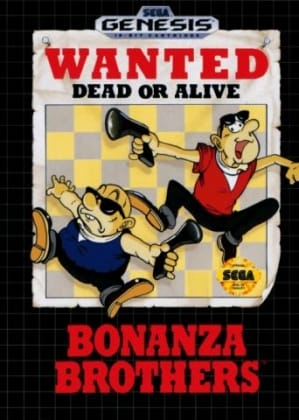
Bonanza Bros
Bonanza Bros. (sometimes written Bonanza Brothers) is a 3D-style, 2Dside-scrollingstealthaction game developed and released by Sega in 1990. It is one of the earliest arcade games powered by the Sega System 24arcade system board. It was ported to various home systems, including the Mega Drive/Genesis, Master System, PC-Engine/TurboGrafx-CD, and several home computers. Bonanza Bros. received praise for its graphics, soundtrack, and character dialogue. It has been remastered and rereleased several times. Bonanza Bros. is a side-scrollingstealthaction game, with shooter and platform game elements. The players take the roles of one or both of the brothers Robo (1P, red) and Mobo (2P, blue) (Mike and Spike in some PAL versions), who may have been modeled on The Blues Brothers.
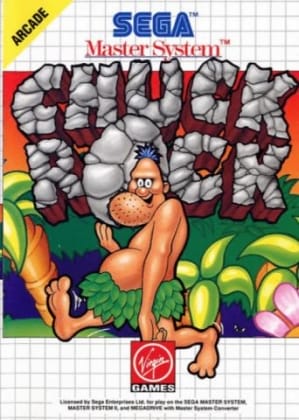
Chuck Rock
Chuck Rock is a 1991 platform video game developed and published by Core Design for the Atari ST and Amiga computers. A Commodore 64 port followed in 1992 and an Amiga CD32 version in 1994. The game was subsequently published by Krisalis Software for the Acorn Archimedes. Virgin Interactive published the game for the Mega Drive/Genesis, Master System, and the Game Gear. Sony Imagesoft published the game for the Mega-CD, Super NES, and Game Boy. The character of Chuck Rock was an early mascot for Core Design before the introduction of Lara Croft in the 1996 game Tomb Raider, and Chuck Rock and his family even featured in some UK comic books of the 1990s. Chuck Rock was followed by the sequel Chuck Rock II: Son of Chuck in 1993 and the spin-off BC Racers in 1994.
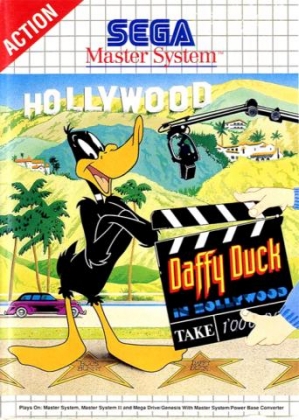
Daffy Duck in Hollywood
Daffy Duck in Hollywood is a 1938 Warner Bros.Merrie Melodies animated short directed by Tex Avery. The cartoon was released on December 12, 1938, and stars Daffy Duck. The short is Avery's last Daffy Duck cartoon.
Ghost House
Ghost House (Japanese: ゴーストハウス, Hepburn: Gōsuto Hausu) is a side-scrollingplatform game developed and published by Sega, released for the Master System in 1986.#cite_note-ignhistory-4)Ghost House is loosely based on Sega's 1982 arcade video game, Monster Bash. The game was originally released in the Sega Card format, then re-released on cartridge. The player controls Mick/Mickey, a young vampire hunter out to destroy five vampires (or "Draculas" as the instruction book calls them) in each stage before proceeding to the next. In later levels Draculas may re-spawn. Everything is out to stop Mick/Mickey from completing this task and making his way out of the mansion. The player has to punch or jump on enemies to defeat them. Arrows fly from either direction after Mick/Mickey passes a fireplace and will attempt to hit him, and he must either duck or jump on them for extra points and eventually gain invincibility as per the amount jumped on (25).
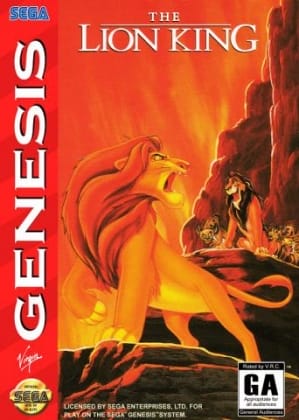
The Lion King
The Lion King is a 1994 platform game based on Disney's 1994 animated film of the same name. It was originally developed by Westwood Studios and published by Virgin Interactive Entertainment for the Super NES and Sega Genesis, and was ported to MS-DOS, Amiga, Game Gear, Master System, and Nintendo Entertainment System; the Amiga, Master System, and NES versions were only released in the PAL region. The game follows Simba's journey from a young cub to the battle with his uncle Scar as an adult.
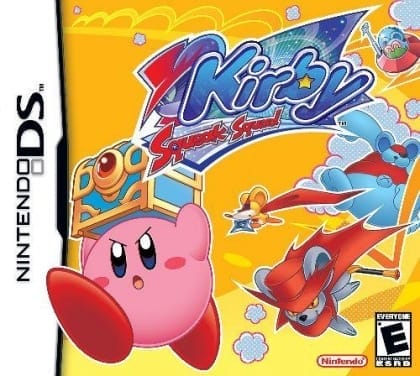
Kirby: Squeak Squad
Kirby: Squeak Squad is a 2006 platform game developed by HAL Laboratory and Flagship and published by Nintendo for the Nintendo DS. It is one of the mainline installment entries of the Kirby series and the second Kirby game released for the system. The game was released in Japan and North America in 2006 and in Europe, Australia, and South Korea in 2007. The game was later re-released for the Wii U's Virtual Console on June 25, 2015.
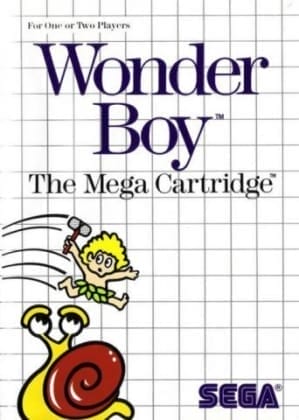
Wonder Boy
Wonder Boy is a 1986 platform game developed by Escape and published by Sega for arcades. It was later ported to the SG-1000, Master System and Game Gear video game consoles by Sega, and to the ZX Spectrum, Commodore 64 and Amstrad CPC home computers by Activision. The game is also known as Super Wonder Boy (スーパーワンダーボーイ, Sūpā Wandā Bōi) for its Sega Mark III release in Japan and Revenge of Drancon for its Game Gear release in North America. A high definition remake of the game, titled Wonder Boy Returns, was developed by CFK and released on Steam on October 12, 2016. It was the first in the long-running Wonder Boy series of games and was followed up by five sequels, Wonder Boy in Monster Land, Wonder Boy III: Monster Lair, Wonder Boy III: The Dragon's Trap, Wonder Boy in Monster World and Monster World IV. The game was also adapted by Hudson Soft as Adventure Island, which spawned its own series of games.
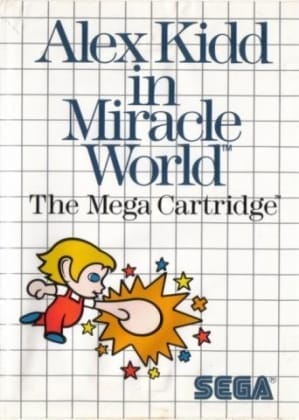
Alex Kidd in Miracle World
Alex Kidd in Miracle World is a 2D platform game. The player must finish levels and overcome obstacles and puzzles in both scrolling and single-screen environments. Throughout the 17 stages, Alex faces many monsters and the three henchmen of Janken the Great, before facing Janken himself. Alex's punching ability is used to destroy enemies and to break rocks in order to access new paths and to collect items such as money which can then be used to purchase other items including vehicles such as motorbikes and helicopters. At the end of many stages, Alex plays jan-ken-pon (rock-paper-scissors) with one of Janken's henchmen. Alex dies with one hit, or by losing a game of rock, paper, scissors. The game has no save system, but by holding the directional pad up and pressing the 2 button eight times at the Game Over screen, the player will restart the level with three new lives, at a cost of 400 Baums (the in-game currency).
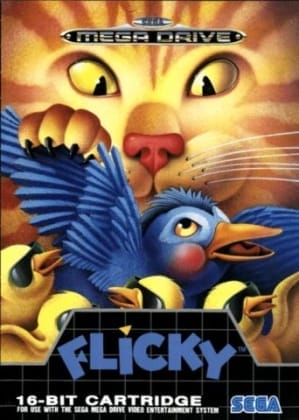
Flicky
Flicky is a platform game developed by Sega and released as an arcade video game in May 1984. It was licensed to Bally Midway for distribution in the United States. In Flicky, the player controls the eponymous blue bird and must gather all the small birds called Chirps in each round and bring them safely to the exit. There are cat and lizard enemies which can disperse the Chirps and kill the player, but Flicky can use items on the playing field to protect herself and the Chirps from danger. The idea for Flicky came from Sega senior leadership, who wanted to exceed the success of Namco's Mappy (1983). Yoji Ishii and Yoshiki Kawasaki developed Flicky at Sega over one year. Originally, the game simply had the player catch ambiguous dots in a maze. Taking inspiration from a popular song in a Japanese variety show, Kawasaki gave the game an urban theme and bird characters. The game was originally titled "Busty", then "Flippy", before finally settling on "Flicky".
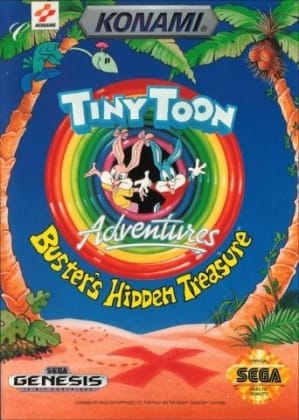
Tiny Toon Adventures: Buster's Hidden Treasure
Tiny Toon Adventures: Buster's Hidden Treasure is the first Tiny Toon Adventures-based game released on the Sega Genesis. It was released in 1993 and developed and published by Konami. The game was not released in Japan, but was released in South Korea, where it was simply called Tiny Toons Adventures.
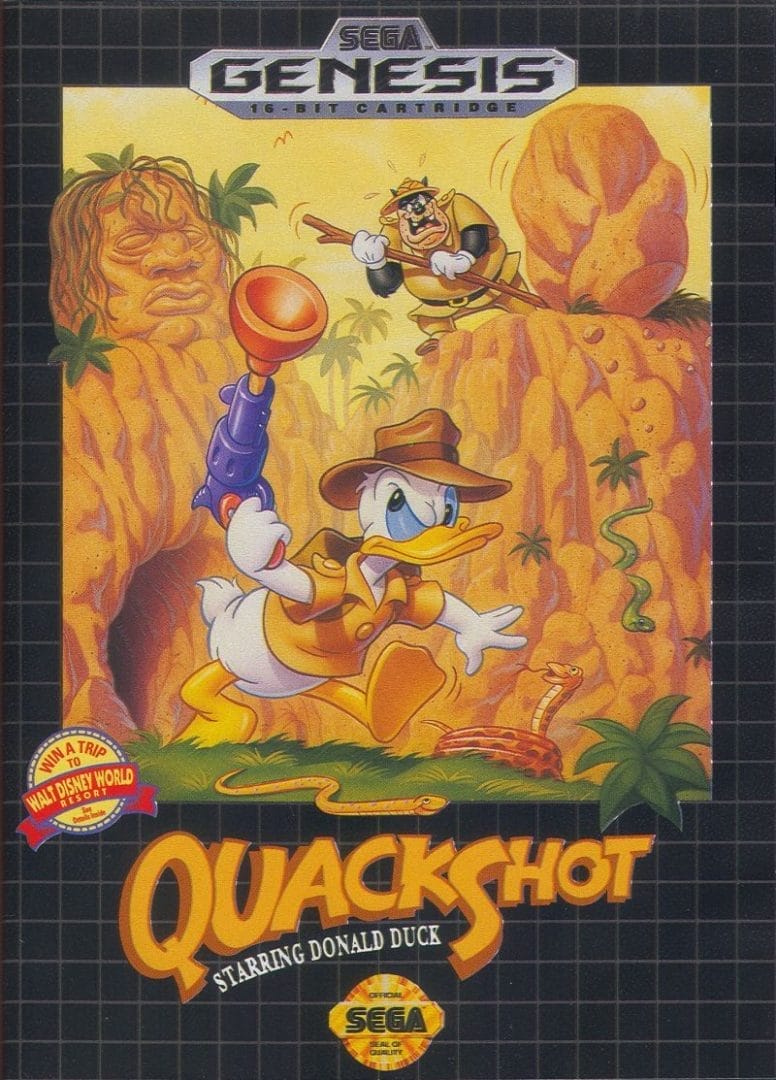
QuackShot Starring Donald Duck
QuackShot Starring Donald Duck, known in Japan as I Love Donald Duck: The Treasure of King Garuzia, is a 1991 platform game developed and published by Sega for the Sega Genesis. The player controls Donald Duck as he, alongside his three nephews Huey, Dewey and Louie, attempt to track down a lost artifact which was treasured by King Garuzia. The game was influenced by the Indiana Jones film series. QuackShot was released with a positive response from video game publications. The game was universally lauded for its graphics, with magazines like Sega Pro describing them as "some of the best graphics around", and the game was also praised for its music and puzzles. Adversely, the game was criticized for its overall difficulty and the controls in certain situations. Retrospectively, QuackShot was also criticized for its lack of speech samples by IGN.
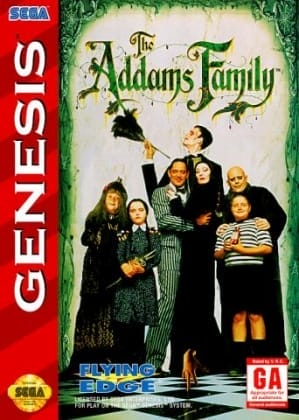
The Addams Family
The Addams Family is a 1992 action-adventure platform game based on the 1991 film of the same name. Developed and published by Ocean Software, it was released for home consoles such as the Super Nintendo Entertainment System, computers such as the Amiga, and handheld consoles such as the Game Boy. The player assumes the role of Gomez Addams. His mission is to rescue other members of the Addams family from the clutches of Abigail Craven, who, alongside The Judge and the family attorney Tully Alford, is attempting to seize the Addams' wealth. The game is non-linear, with the player moving throughout the mansion's many inside and outside areas, some of which are hidden. Enemies include bosses each holding a member of the Addams Family hostage, making them necessary to defeat. Power-ups, extra lives, and money are also obtainable.
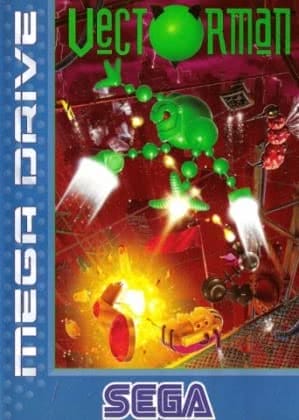
Vectorman
BlueSky Software's development relationship with Sega began in the early 1990s. After successfully developing and releasing Starflight and Joe Montana Football in 1991, BlueSky Software signed an exclusivity contract to develop video games for their Sega Genesis platform.#cite_note-Sega16Int-5) Sega won the bid for the rights to develop the official video game adaption of the film Jurassic Park, and chose BlueSky Software as the primary developer.#cite_note-6)#cite_note-VectoRetro-3) Sega published two of their Jurassic Park games; a video game adaption of the original Jurassic Park film "Jurassic Park (Sega video game)") released in 1993, and a sequel game, Jurassic Park: Rampage Edition, the following year, both for the Sega Genesis.#cite_note-VectoRetro-3) After completion of the two games, Sega turned to them to create a game centered around pre-rendered3D models in its levels and character designs, as an answer to Nintendo's popular 1994 release Donkey Kong Country.
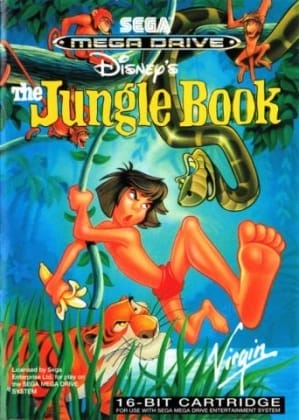
The Jungle Book
Disney's The Jungle Book is a series of platform video games based on the 1967 Disneyanimated film of the same name "The Jungle Book (1967 film)"). The game was released by Virgin Interactive Entertainment for the Game Boy, Nintendo Entertainment System, Master System, Genesis/Mega Drive, Game Gear, Super Nintendo Entertainment System, and MS-DOS. While gameplay is the same on all versions, technological differences between the systems forced changes – in some case drastic – in level design, resulting in six fairly different versions of the 'same' game. This article is largely based upon the Genesis/Mega Drive version. The player controls Mowgli, a young boy who has been raised by wolves. Mowgli must leave his home in the jungle and go back to the human village because Shere Khan, a tiger, is now hunting him. Mowgli must fight jungle wildlife and ultimately Shere Khan himself to reach his village.
Browse our collection of 77 Platform retro games, all playable instantly in your browser. No download required. Play classic games online in your browser and save your progress anytime.