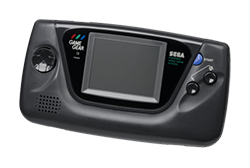
Sega Game Gear
The Game Gear is a handheld game console developed and marketed by Sega. It was released in Japan on October 6, 1990, in North America and Europe in April 1991, and in Australia in 1992. The Game Gear was Sega's first handheld console and competed with Nintendo's Game Boy, Atari's Lynx, and NEC's TurboExpress in the fourth generation of video game consoles.
16 games
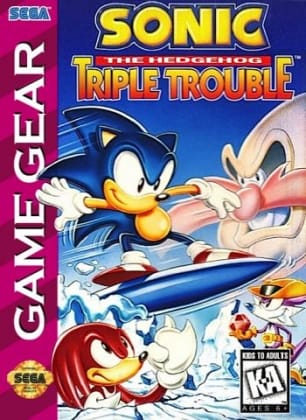
Sonic the Hedgehog: Triple Trouble
Sonic the Hedgehog: Triple Trouble is a 1994 platform game developed by Aspect and published by Sega for the Game Gear. It is the sequel to Sonic Chaos (1993) and features classic side-scrolling_Sonic_ gameplay. The player controls either Sonic the Hedgehog "Sonic the Hedgehog (character)") or Miles "Tails" Prower "Tails (Sonic the Hedgehog)") as they venture to protect the powerful Chaos Emeralds from Doctor Robotnik, Knuckles the Echidna and series newcomer Fang the Sniper. Sonic and Tails' unique abilities, as well as various power-ups, can assist the player in gameplay. Critics found the game to be enjoyable and praised its graphics, but thought that it lacked in challenge and originality to help it stand out from previous Sonic games. Reception was more positive in retrospect. Critics have considered it one of the best Sonic games on the 8-bit Game Gear, coming closer than the others to matching the quality of its 16-bit counterparts.
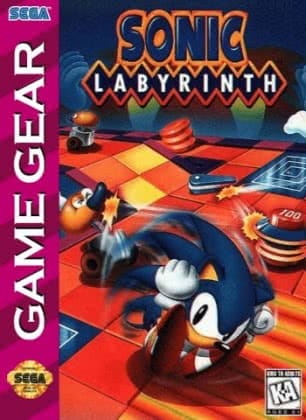
Sonic Labyrinth
Sonic Labyrinth is a 1995 action-puzzlevideo game developed by Minato Giken and published by Sega for the Game Gear. The game features Sonic the Hedgehog "Sonic the Hedgehog (character)") exploring maze-like stages from an isometric perspective. Dr. Robotnik has robbed Sonic of his trademark speed, making him walk abnormally slow but still able to utilize the spin dash. Upon release, critical reception to the game was mixed: many critics found the game a unique addition to the Sonic library but flawed by convoluted controls and repetitive gameplay. In retrospect, however, it has received generally negative reviews and is considered among the worst Sonic games ever released. Despite this, the game has been re-released multiple times in the following years.
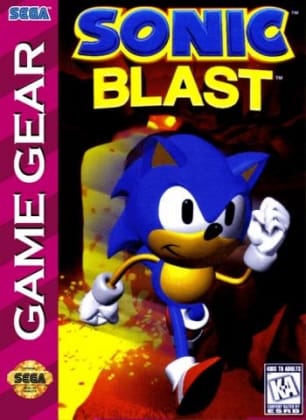
Sonic Blast
Sonic Blast is a 1996 platform game developed by Aspect and published by Sega for the Game Gear. The player controls Sonic the Hedgehog "Sonic the Hedgehog (character)") and Knuckles the Echidna, who venture through 15 levels "Level (video gaming)") to stop Doctor Robotnik from using Chaos Emerald shards to fortify his base. As a Sonic the Hedgehog series platformer, the characters run and jump to reach the end of a level while defeating enemy robots and collecting rings. In separate special stages, the player must run forward and collect rings to earn one of the Chaos Emerald shards. The game was the final Sonic the Hedgehog game for the system, utilizing pre-rendered visuals to maximize the graphical potential of the decreasingly popular handheld console. It was rereleased on the Master System exclusively in Brazil in 1997, various compilations in the series, and the Nintendo 3DS's Virtual Console (2012).
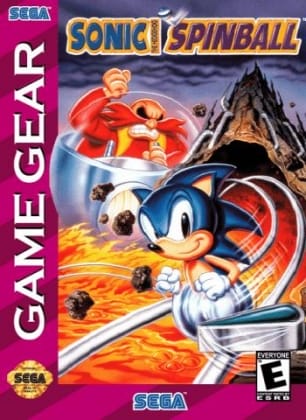
Sonic Spinball
Sonic Spinball, also known as Sonic the Hedgehog Spinball, is a 1993 pinball video game developed by Sega Technical Institute and published by Sega for the Sega Genesis. It is a spin-off of the Sonic the Hedgehog series. Players control Sonic the Hedgehog "Sonic the Hedgehog (character)"), who must stop Doctor Robotnik from enslaving the population in a giant pinball-like mechanism. The game is set in a series of pinball machine-like environments with Sonic acting as the pinball. It was developed by the American staff of Sega Technical Institute, as the Japanese staff was occupied with developing Sonic the Hedgehog 3 and Sonic & Knuckles. When Sega management realized that Sonic 3 would not be completed in time for the 1993 holiday shopping season, they commissioned another Sonic game. After a hasty nine-month development, Sonic Spinball was released for the Sega Genesis in November 1993, with ports for the Game Gear and Master System releasing in 1994.
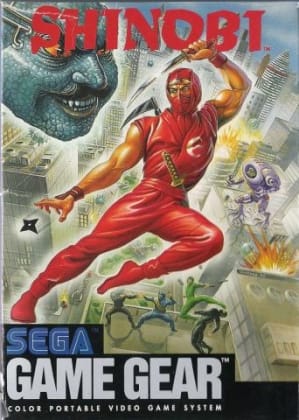
Shinobi
Shinobi is a 2002 action-adventure game developed by Overworks and published by Sega for the PlayStation 2. It is part of the Shinobi series. The game stars the master ninja Hotsuma, leader of the Oboro clan, who wields Akujiki, a sword that feeds on souls. He can also use ninja magic, shurikens, and special moves. Upon finding a golden castle after an earthquake, Hotsuma makes it his goal to defeat the powerful sorcerer Hiruko, who had summoned hellspawn creatures in Japan to destroy Tokyo. Hotsuma's mission is to stop Hiroko from destroying the world and avenge the death of his clan. Shinobi was originally planned for the Dreamcast, but due to the discontinuation of the console, the game was moved to the PS2. The game was designed to emphasize the action elements of action-adventure gameplay and appeal to the action market. Other gameplay elements resulted from a desire to mix old and new elements. Upon release, Shinobi was generally well received by critics.
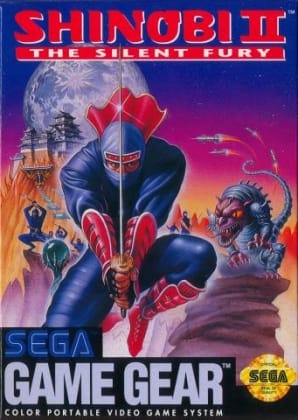
Shinobi II: The Silent Fury
The G.G Shinobi II: The Silent Fury is a 1992 platform game developed and published by Sega for the Game Gear. It is the sequel to The G.G. Shinobi, an offshoot of the Shinobi series created for Sega's portable platform. The player controls ninja Joe Musashi and his allies as they attempt to retrieve five elemental crystals from a group known as the Techno-Warriors. The gameplay largely follows on from its predecessor’s design, in which the player utilizes the abilities of five colored ninjas to progress through a series of levels. The G.G. Shinobi II received a positive reception from critics, who praised the game for improving upon its mechanics, level design, and difficulty compared to its predecessor.
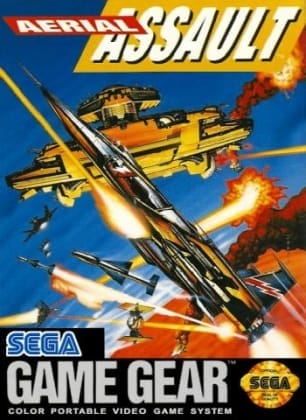
Aerial Assault
Text is available under the Creative Commons Attribution-ShareAlike 4.0 License; additional terms may apply. By using this site, you agree to the Terms of Use and Privacy Policy. Wikipedia® is a registered trademark of the Wikimedia Foundation, Inc., a non-profit organization. Privacy policy About Wikipedia Disclaimers Contact Wikipedia Legal & safety contacts Code of Conduct Developers Statistics Cookie statement Mobile view Edit preview settings Search Search - Toggle the table of contents Aerial Assault [](http://en.wikipedia.org/wiki/Aerial_Assault#)[](http://en.wikipedia.org/wiki/Aerial_Assault#)[](http://en.wikipedia.org/wiki/Aerial_Assault#)[](http://en.wikipedia.org/wiki/Aerial_Assault#)[](http://en.wikipedia.org/wiki/Aerial_Assault#)[](http://en.wikipedia.org/wiki/Aerial_Assault#)[](http://en.wikipedia.
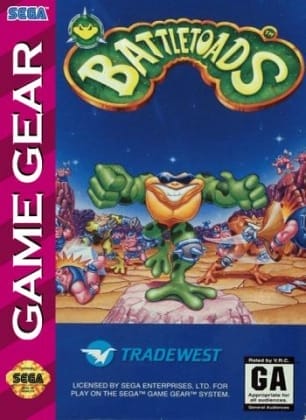
Battletoads
Battletoads (Game Boy) "Battletoads (Game Boy video game)"): A spin-off of the original also released in 1991. Despite having the same box art and title as the original NES release, it is an entirely different game from the NES version. Battletoads in Battlemaniacs: Released in 1993 for the Super Nintendo Entertainment System (SNES) and developed in 1994 for the Master System (but not released until 1996). In this game, Zitz and the daughter of Psicone Industries' CEO have been captured and it is up to Rash and Pimple to save them from being the Dark Queen. Different from the previous games, in this one each character has its own specific abilities and combos. Pimple is the powerhouse, big and boasting a large range with punches, while Rash is nimble and smaller, fighting using kicking attacks. Aside from cooperative play, a solo player is able to play as Rash by switching to the second controller.
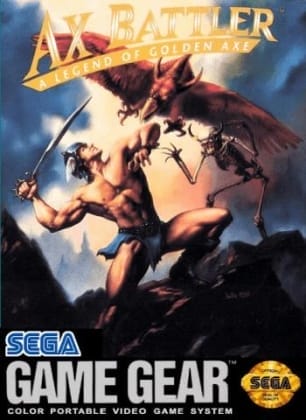
Ax Battler: A Legend of Golden Axe
Ax Battler: A Legend of Golden Axe is a 1991 action-adventuregame developed by Aspect Co. and published by Sega for the Game Gear. The game is a spin-off of the popular Golden Axe series. The protagonist is Ax Battler, the male barbarian character from the original Golden Axe "Golden Axe (video game)") game. The series' primary villain, Death Adder, is laying siege to the entire world. He steals the Golden Axe, a magical weapon that grants its wielder unimaginable power, from its hiding place in Firewood Castle. To prevent Death Adder using its powers to destroy the world, the king of Firewood Castle calls upon the help of his strongest warrior: Ax Battler. During his journey, Ax Battler must battle through the following "special landmarks": The Spooky Cave, Peninsula Tower, Turtle's Back, Death Pyramid, Evil Cave, Maze Wood, Gayn Mountain, Eagle's Back, Ice Cliffs and Death Adder's Castle.
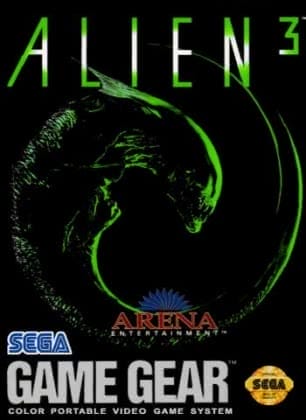
Alien 3
Alien 3 (stylized as ALIEN3) is a 1992 run and gun video game based on the film of the same name. It was released for the Sega Genesis and Amiga in 1992, then for the Commodore 64, Game Boy, Game Gear, Nintendo Entertainment System, Super Nintendo Entertainment System, and Master System. Each version was developed by Probe Software, except for the Game Boy version, which was developed by Bits Studios.
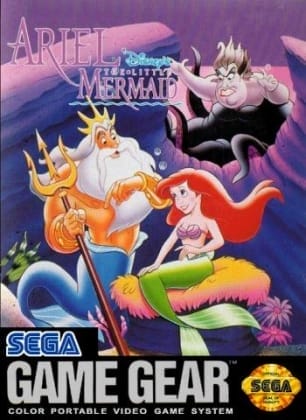
The Little Mermaid
The game begins underwater, where Ariel can shoot bubbles to trap her foes and throw them. She can also dig through sand to find treasure and pick up sea shells to break open treasure chests. Treasure chests contain power-ups to increase her bubbles' power and range. Ariel can collect icons scattered throughout the levels to restore health, gain extra lives, or increase the range/power of her bubbles. There are six stages that Ariel must traverse to find Ursula. The stages are The Coral Sea, Sunken Ship, Sea of Ice, Undersea Volcano, and finally two battles at Ursula's Castle.
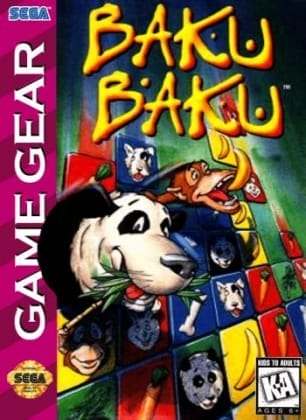
Baku Baku Animal
Baku Baku, released in Japan as Baku Baku Animal, is a 1995 puzzle video game developed and published by Sega for Japanese arcades. It was later ported to the Sega Saturn, Game Gear, and Microsoft Windows, with the latter version being Sega's first network-compatible PC game. A Sega NetLink-compatible version of the game was also announced, but never released. The Japanese onomatopoeia "Baku Baku" roughly translates to "Chomp chomp". The King is hosting a competition to hire a royal zoo keeper for his daughter's numerous pets. The main character, Polly, must fight her way through other applicants to earn the position. Each opponent has an intro dialogue with different responses based on if the player wins or loses. > Bug: "How lucky, my opponent is only a little girl!" Polly: "Hmph! How rude! I'll show you who's the weak one!" — Sega, Baku Baku Animal Baku Baku Animal is a falling block puzzle game in which the player lines up falling animal and food tiles.
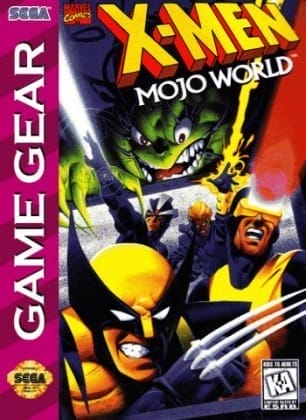
X-Men: Mojo World
X-Men: Mojo World is a video game released in 1996 on the Game Gear system. The game starts off with Wolverine and Rogue as playable X-Men; Gambit, Cyclops, Havok, and Shard can be unlocked later on. The game shares the same engine as its predecessor, X-Men: Gamesmaster's Legacy. The game was also released for the Master System in Brazil by Tec Toy.
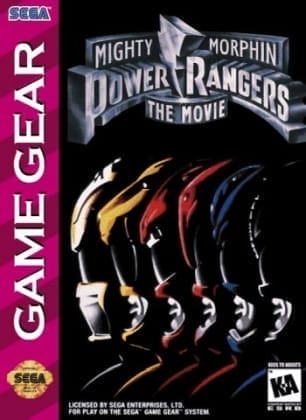
Mighty Morphin Power Rangers: The Movie
Mighty Morphin Power Rangers: The Movie is the title of four different video game adaptations of the film of the same name which were released for the Super NES, Genesis, Game Boy, and Game Gear. While the games are ostensibly based on the film, they also feature characters and plot elements from the second season of the original TV series. Like the previous game versions "Mighty Morphin Power Rangers (video game)") of the original Mighty Morphin Power Rangers, none of the four versions of the movie game are ports of each other. The Super NES version is a side-scrolling action game similar to the previous SNES game based on the series. The game can be played by one or two players with six available characters. Billy and Kimberly return from the previous game along with the introduction of Tommy, as the White Ranger (opposed to appearing as the Green Ranger), and three new rookie rangers, Rocky, Adam, and Aisha, who replace Jason, Zack, and Trini from the original.
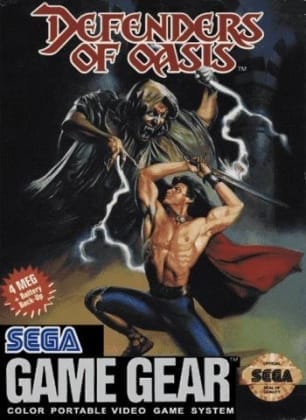
Defenders of Oasis
Defenders of Oasis is a role-playing video game developed and published by Sega for the Game Gear in 1992. The game's setting is based on One Thousand and One Nights, and the plot centers on a heroic prince and his companions, who set out to confront an empire attempting to revive the dark god Ahriman. The game was one of the few original RPGs made for the Game Gear, and features an overhead gameplay perspective, a command-based combat system, and an autosave feature. Defenders of Oasis was commercially successful and positively received by reviewers, who praised the game's visuals and level of detail.
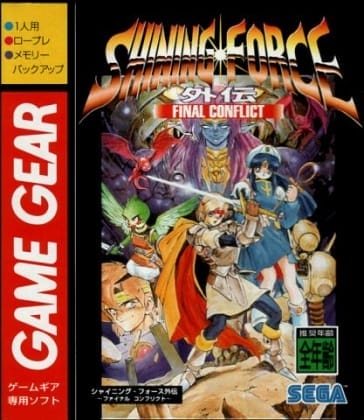
Shining Force Gaiden: Final Conflict
Shining Force Gaiden: Final Conflict (シャイニング・フォース外伝 ~ファイナル コンフリクト~) is a 1995 tactical role-playing game for the Game Gear, taking place between the games Shining Force and Shining Force II. It was released after both games, with the intention of connecting their plots. Despite its name, it is not directly story-related to Shining Force Gaiden or Shining Force Gaiden II, also released for Game Gear. Unlike most of its predecessors, the game was never released outside Japan. English patches have been created by fans for players who cannot read Japanese. Bottom: A battle taking place. Final Conflict uses gameplay identical to the previous Gaiden games, Shining Force Gaiden and Shining Force Gaiden II. The player progresses through a series of turn-based tactical battles interspersed with short cutscenes. Between the cutscenes, the player is allowed to save the game, promote characters, resurrect fallen characters, and sometimes buy and sell weapons and healing items.
Browse our collection of 16 Sega Game Gear retro games, all playable instantly in your browser. No download required. Play classic games online in your browser and save your progress anytime.