Action
Action games featuring fast-paced gameplay, combat, and physical challenges.
63 games
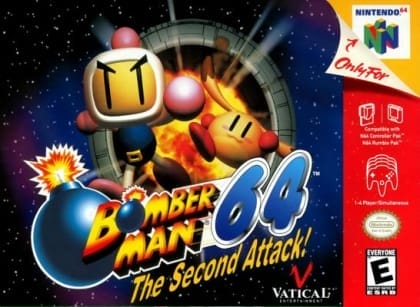
Bomberman 64: The Second Attack!
Bomberman 64: The Second Attack! is a 1999 action video game, the sequel to 1997's Bomberman 64.
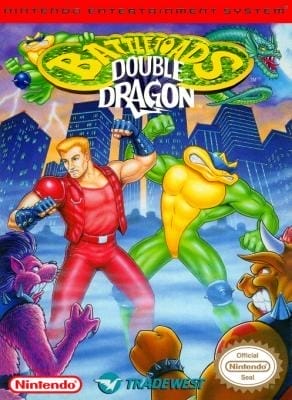
Battletoads & Double Dragon
Battletoads/Double Dragon (fully titled Battletoads & Double Dragon - The Ultimate Team) is a 1993 beat 'em up developed by Rare and published by Tradewest. It was originally released for the Nintendo Entertainment System and later ported to the Mega Drive/Genesis, Super NES, and Game Boy. The SNES version was released on the Nintendo Classics service in September 2024; it was the game's first re-release as it was not released on the Rare Replay collection. The Ultimate Team is a crossover of Technos Japan's Double Dragon and Rare's Battletoads game franchises, although Technos had little or no credited involvement in production beyond providing the Double Dragon license. The game features the characters from the Double Dragon series, Billy and Jimmy Lee, two young martial arts experts; also included are the three humanoid toad protagonists from the Battletoads game. It is also the first Battletoads game to feature all three toads as playable characters.
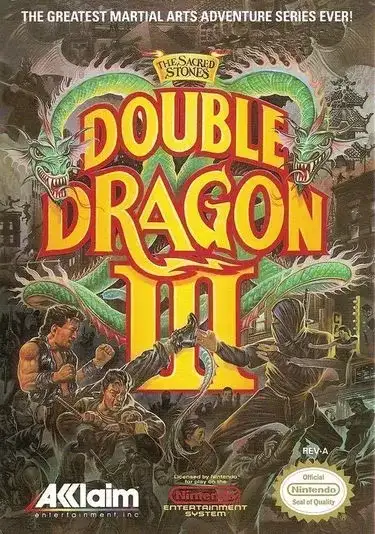
Double Dragon III: The Sacred Stones
Double Dragon III: The Sacred Stones, released in Japan as Double Dragon III: The Rosetta Stone (ダブルドラゴンIII ザ・ロゼッタストーン), is a 1991 beat 'em up video game developed by Technōs Japan for the Nintendo Entertainment System. It was the third Double Dragon game for the NES, and was published in North America and Europe by Acclaim Entertainment. Although it loosely based on the similarly titled arcade game Double Dragon 3: The Rosetta Stone, it is not a port, but a parallel project that was developed at the same time.
Double Dragon II: The Revenge
Double Dragon II: The Revenge is a 1988 beat 'em up video game developed and published by Technōs Japan for arcades. It is the first sequel to Double Dragon "Double Dragon (video game)"), released during the previous year. The sequel involves Billy and Jimmy Lee in a mission to avenge Billy's girlfriend Marian after she is shot to death by the Black Warriors leader Willy, who is retaliating against the Lee brothers after his defeat at the end of the previous game. Double Dragon II was initially developed as an upgrade kit for the original Double Dragon, but evolved into a stand-alone game due to an increase in memory size, resulting in the developers reusing assets for both games. A distinct version of the same name "Double Dragon II: The Revenge (NES video game)") was released for the Nintendo Entertainment System.
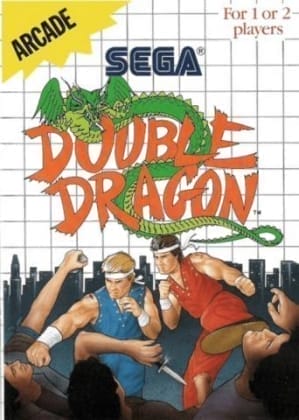
Double Dragon
Double Dragon#cite_note-17)#cite_note-18) is a 1987 beat 'em up video game developed by Technōs Japan and published by Taito for arcades. The game's development was led by Yoshihisa Kishimoto, and it is a spiritual and technological successor to Technos' earlier beat 'em up, Nekketsu Kōha Kunio-kun (1986), released outside of Japan by Taito as Renegade; Kishimoto originally envisioned it as a direct sequel and part of the Kunio-kun series, before making it a new game with a different cast and setting. Double Dragon introduced several additions to the _Kunio-kun_belt scroll beat 'em up formula, such as a continuous side-scrolling world adding a sense of progression, two-player cooperative gameplay, the ability to arm oneself with an enemy's weapon after disarming them, and the use of cutscenes to give it a cinematic look and feel.
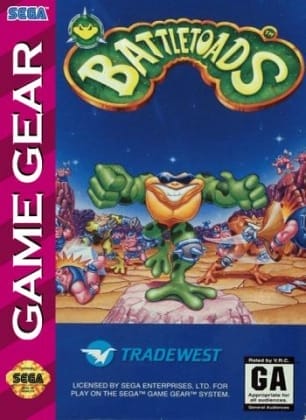
Battletoads
Battletoads (Game Boy) "Battletoads (Game Boy video game)"): A spin-off of the original also released in 1991. Despite having the same box art and title as the original NES release, it is an entirely different game from the NES version. Battletoads in Battlemaniacs: Released in 1993 for the Super Nintendo Entertainment System (SNES) and developed in 1994 for the Master System (but not released until 1996). In this game, Zitz and the daughter of Psicone Industries' CEO have been captured and it is up to Rash and Pimple to save them from being the Dark Queen. Different from the previous games, in this one each character has its own specific abilities and combos. Pimple is the powerhouse, big and boasting a large range with punches, while Rash is nimble and smaller, fighting using kicking attacks. Aside from cooperative play, a solo player is able to play as Rash by switching to the second controller.
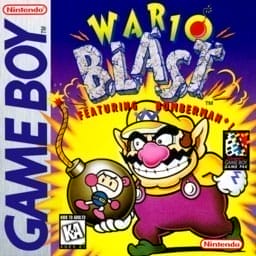
Wario Blast featuring Bomberman!
Bomberman GB is a sub-series of video games in Hudson Soft's Bomberman series released for the Game Boy. The first entry was Bomberman GB, released as Wario Blast: Featuring Bomberman! in North America and Europe, later succeeded by Bomberman GB 2, under the name Bomberman GB internationally, and Bomberman GB 3, which was only released in Japan.
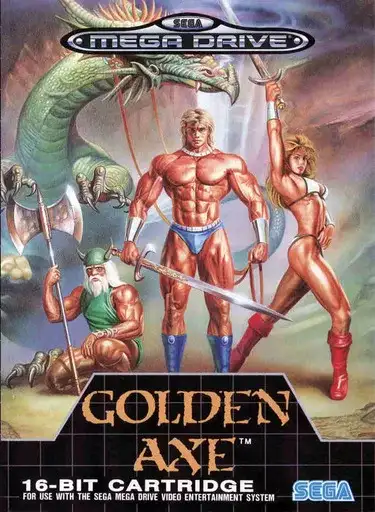
Golden Axe
Golden Axe is a 1989 beat 'em up video game developed and published by Sega for arcades on the Sega System 16B hardware. Players control one of three warriors who must free the fantasy land of Yuria from the tyrannical rule of Death Adder, who wields the titular Golden Axe. The lead designer was Makoto Uchida, who was also responsible for the creation of Sega's earlier Altered Beast (1988). Golden Axe was well received at the time of release, and was later ported to several home systems, including Sega's own Mega Drive/Genesis and Master System. The game's success spawned a franchise with several sequels and spin-offs, beginning with Golden Axe II in 1991.
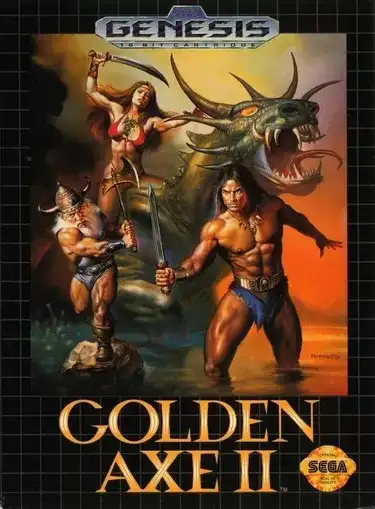
Golden Axe II
Golden Axe II is a 1991 beat 'em up video game developed and published by Sega for the Sega Genesis. It is a sequel to 1989's Golden Axe, and the second installment of the Golden Axe series. The player controls one of three warriors as they attempt to recover the Golden Axe by slaying Dark Guld and his loyal followers. Much like its predecessor, the gameplay is based around side-scrolling levels where the player fights enemies by using their melee weapon, while riding a beast, or utilizing elemental magic. The game revamps and introduces various gameplay mechanics from its contemporary including the ability to select the level of magic used and an attack that hits all around the player’s character. Upon release, the game received mixed reception from critics. They faulted its easier difficulty and the lack of meaningful improvements from its predecessor.
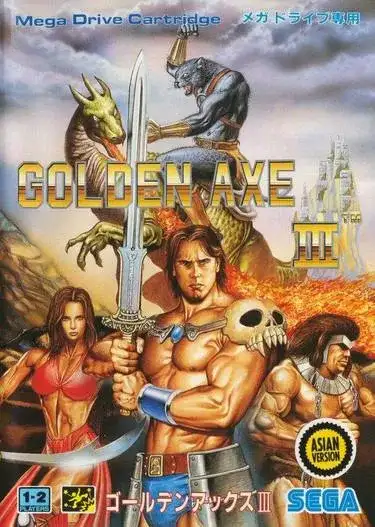
Golden Axe III
Golden Axe III is a 1993 beat 'em up game developed and published by Sega for the Sega Genesis. Originally exclusive to Japan, it was made available in North America via the Sega Channel online service in 1995. In this sequel to Golden Axe II, the player controls one of four warriors as they attempt to defeat the evil Damud Hellstrike, who has stolen the Golden Axe and kidnapped the princess of Yuria. Much like its predecessors, the game is based around side-scrolling levels where the player defeats enemies with their melee weapon or fists, while riding creatures known as Bizarrians, or through elemental magic. Several new offensive and defensive moves, like blocking and projectile attacks, can also be used. The game received negative reviews, being criticized for a lack of innovation and originality, as well as the graphics, which were seen as a downgrade from its predecessors.
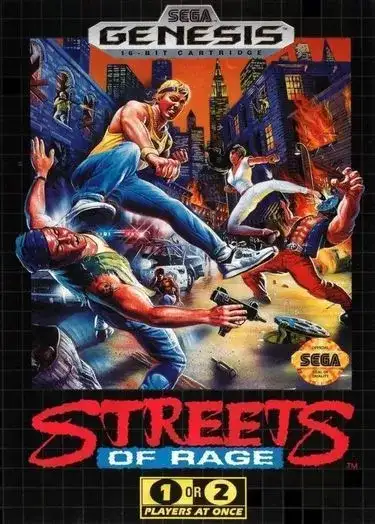
Streets of Rage
Streets of Rage#cite_note-3) is a 1991 beat 'em upvideo game developed and published by Sega for the Sega Genesis. Players control one of three former police officers turned vigilantes who battle a crime syndicate. It establishes many conventions of the Streets of Rage series, such as two-player cooperative play and an acclaimed techno soundtrack from composer Yuzo Koshiro. It was ported for the Game Gear, Sega CD and Master System and has been rereleased as part of various compilations and on download services.
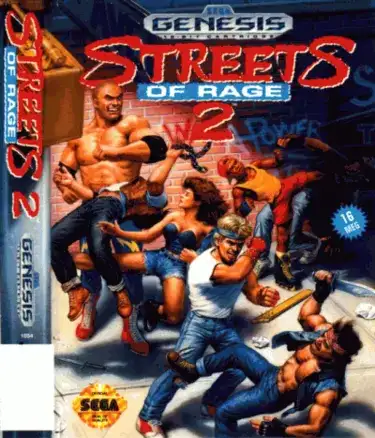
Streets of Rage 2
Streets of Rage 2, known as Bare Knuckle II in Japan, is a 1992 beat 'em up video game developed and published by Sega for the Sega Genesis. The sequel to Streets of Rage "Streets of Rage (video game)") (1991), the characters Axel Stone and Blaze Fielding return while the game also introduces two new characters: Max Thunder, and Eddie "Skate" Hunter, the younger brother of Adam Hunter from the first game. Streets of Rage 2 was developed by an ad hoc team of several companies: Sega, Ancient, Shout! Design Works, MNM Software, and H.I.C.[better source needed] Ancient's Ayano Koshiro was the lead graphic designer and one of the game design planners, while her brother Yuzo Koshiro composed the music. The game was programmed by the same team as the original. Upon release, Streets of Rage 2 received critical acclaim and topped sales charts for months.
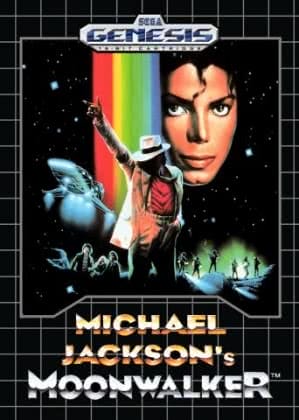
Michael Jackson's Moonwalker
In North America, the game had a successful launch. It was the top-grossing new video game on the RePlay arcade charts in September 1990. The game received a positive review from RePlay magazine.
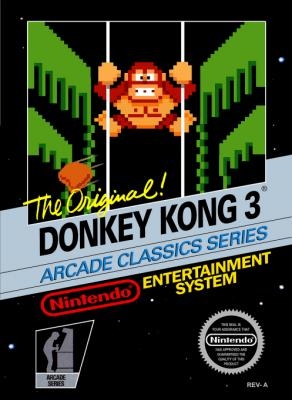
Donkey Kong 3
Donkey Kong 3 is a 1983 shoot 'em up video game developed and published by Nintendo for arcades. It is the third installment in the Donkey Kong series, following 1982's Donkey Kong Jr. It was ported to the Family Computer in 1984, then in North America for the Nintendo Entertainment System in 1986. The gameplay departs from previous Donkey Kong games, and it stars an exterminator named Stanley instead of Mario. The game was a modest financial success in Japan, but its commercial failure in the United States was later cited by commentators as contributing to a period of reduced activity for the series until the release of Donkey Kong (1994) and Donkey Kong Country. It was re-released on the Wii Virtual Console in North America on July 14, 2008, and in Europe on January 9, 2009. It was re-released on Nintendo Switch through the Nintendo Classics service.
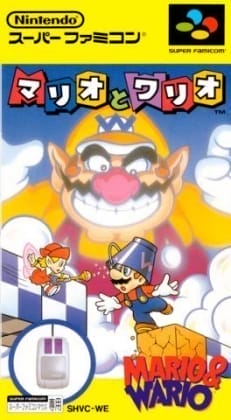
Mario & Wario
Mario & Wario is a 1993 puzzle-platform game developed by Game Freak and published by Nintendo for the Super Famicom. The game requires the Super Famicom Mouse accessory to play. Despite being a Japanese-only release, the game is entirely in English. The gameplay of Mario & Wario focuses on guiding Mario, who has various objects placed atop his head by his self-declared arch rival Wario, through a series of levels consisting of various obstacles and traps. Because Mario has been rendered sightless and is constantly in danger of walking into hazards, the player controls the fairy Wanda, who can protect Mario by changing the environment around him as he moves towards the levels' end. The game offers a total of 100 levels and offers three playable characters. The game received its first re-release and first western release on October 9, 2025, via the Nintendo Classics service.
Browse our collection of 63 Action retro games, all playable instantly in your browser. No download required. Play classic games online in your browser and save your progress anytime.