Namco
6 games — Namco
Mappy
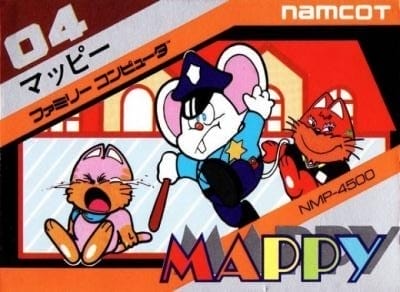
Mappy is a 1983 platformvideo game developed and published by Namco for arcades. It was released in Japan in March 1983 and in North America by Bally Midway in April 1983. It runs on Namco's Super Pac-Man hardware modified to support horizontal scrolling. The name "Mappy" is likely derived from mappo (マッポ), a slightly pejorative Japanese slang term for policeman. The game has been re-released in several Namco arcade compilations. It spawned a handful of sequels and a 2013 animated web series developed by cartoonists Scott Kurtz and Kris Straub. Controls consist of a two-position joystick and a button. The player assumes the role of Mappy, a police mouse tasked with recovering stolen items from a mansion that serves as a hideout for a gang of thieving cats. Goro (Nyamco in Japanese), large and red, is the leader, while the smaller blue Meowky cats (Mewky in Japanese) are his underlings.
Dig Dug
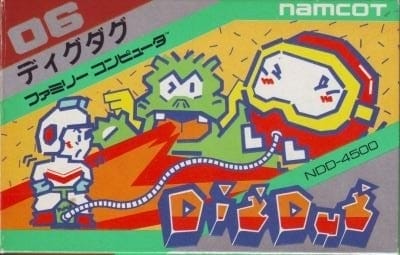
Dig Dug is a 1982 maze video game developed and published by Namco for arcades. It was released by Atari, Inc. in North America. The player digs underground tunnels to attack enemies in each level, by either inflating them to bursting or crushing them underneath rocks. Dig Dug was planned and designed by Masahisa Ikegami with help from Galaga creator Shigeru Yokoyama. It was programmed for the Namco Galaga arcade board by Shouichi Fukatani, who worked on many of Namco's earlier arcade games, along with Toshio Sakai. Music was composed by Yuriko Keino, including the character movement jingle at executives' request, as her first Namco game. Namco heavily marketed it as a "strategic digging game". Upon release, Dig Dug was well received by critics for its addictive gameplay and kawaii character design. During the golden age of arcade video games, it was globally successful, including as the second highest-grossing arcade game of 1982 in Japan.
Pac-Man 2: The New Adventures
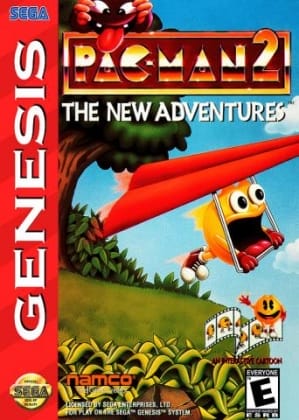
Pac-Man 2: The New Adventures, known in Japan as Hello! Pac-Man (ハロー! パックマン, Harō! Pakkuman), is a 1994 side-scrolling adventure game in the Pac-Man series developed and published by Namco. Instead of being a maze game like the majority of its predecessors, Pac-Man 2 incorporates light point-and-click adventure game elements. The game borrows its structure and certain elements from Pac-Land, and also appears to contain certain elements from the animated series, such as Pac-Man's family and a main villain commanding the ghosts. The game was released in 1994 for the Super Nintendo Entertainment System, and was released for the Sega Genesis exclusively in the US.
Battle City
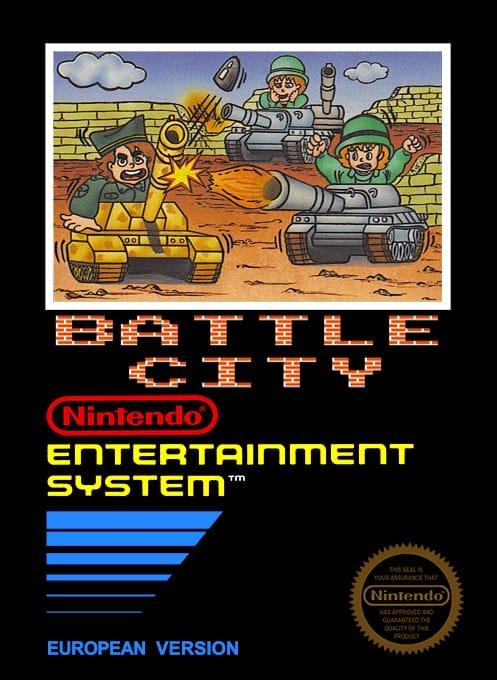
Battle City#cite_note-1) is a 1985 multidirectional shootervideo game developed and published by Namco for the Family Computer. Released only in Japan, it is the sequel to the arcade game_Tank Battalion_. An arcade version for the Nintendo VS. System, titled VS. Battle City, would follow, along with a Game Boy version in 1991, which was developed and published by Nova Games. The Famicom version was later included as an unlockable in the Japanese release of Star Fox: Assault,#cite_note-2) and would eventually be digitally re-released via the Virtual Console for Wii and Wii U. The arcade version was released by Hamster Corporation as part of their Arcade Archives series for the Nintendo Switch and PlayStation 4 on September 12, 2024.#cite_note-3) Although the Famicom version was never officially released outside Japan, Battle City was one of the most common inclusions in unofficial famiclonemulticarts.
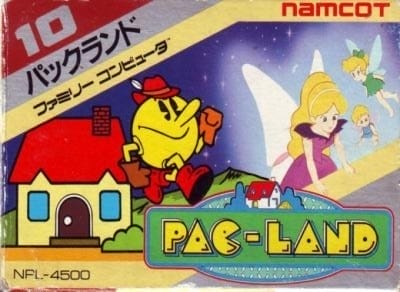
Pac-Land
Pac-Land is a 1984 platform game developed and published by Namco for arcades. It was released in North America by Bally Midway, and in Europe by Atari Games. Controlling Pac-Man "Pac-Man (character)"), the player must make it to the end of each stage to return a lost fairy back to its home in Fairyland. Pac-Man will need to avoid obstacles, such as falling logs and water-spewing fire hydrants, alongside his enemies, the Ghost Gang. Eating large flashing Power Pellets will cause the ghosts to turn blue, allowing Pac-Man to eat them for points. Pac-Land was conceptualized by Namco Research and Development 1 programmer Yoshihiro Kishimoto, who was tasked with creating an arcade game based on the American Pac-Man cartoon television series "Pac-Man (TV series)") by Hanna-Barbera. The backgrounds were made to be vibrant and colorful, and the characters to be detailed and move smoothly to match the show's animation style.
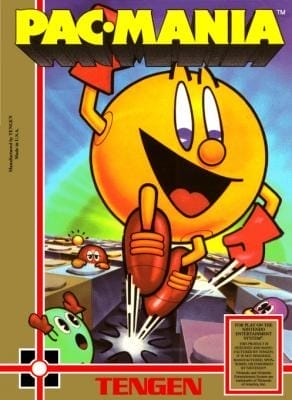
Pac-Mania
Pac-Mania#cite_note-8) is a 1987 mazevideo game developed and published by Namco for arcades. It was released by Atari Games in North America. In the game, the player controls Pac-Man "Pac-Man (character)") as he must eat all of the dots while avoiding the colored ghosts that chase him in the maze. Eating large flashing "Power Pellets" will allow Pac-Man to eat the ghosts for bonus points, which lasts for a short period of time. A new feature to this game allows Pac-Man to jump over the ghosts to evade capture. It is the ninth title in the Pac-Man video game series and was the last one developed for arcades up until the release of Pac-Man Arrangement in 1996. Development was directed by Pac-Man creator Tōru Iwatani. Pac-Mania gained a highly positive critical reception for its originality and gameplay. It was nominated for "Best Coin-Op Conversion of the Year" at the Golden Joystick Awards in 1987, although it lost to Taito's Operation Wolf.
Browse our collection of 6 Namco retro games, all playable instantly in your browser. No download required. Play classic games online in your browser and save your progress anytime.