Arcade
Classic arcade games with simple controls, high scores, and addictive gameplay.
6 games
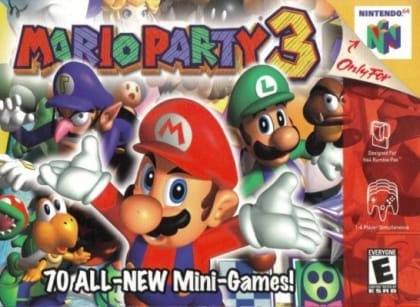
Mario Party 3
Mario Party 3 is a 2000 party video game developed by Hudson Soft and published by Nintendo for the Nintendo 64. The third installment in the Mario Party series, it was first released in Japan on December 7, 2000, in North America on May 7, 2001, in Australia on September 3, 2001, and in Europe on November 16, 2001. As with the previous installments, the player chooses between eight playable characters: Mario, Luigi, Princess Peach, Yoshi, Wario, and Donkey Kong "Donkey Kong (character)") from the first two games, alongside newcomers Princess Daisy and Waluigi. The game introduces duel maps, where two players try to lower each other's stamina to zero using non-player characters such as Chain Chomps. Mario Party 3 received generally mixed reviews, with critics divided on its new minigames and gameplay features, and whether it was a meaningful improvement over its predecessors.
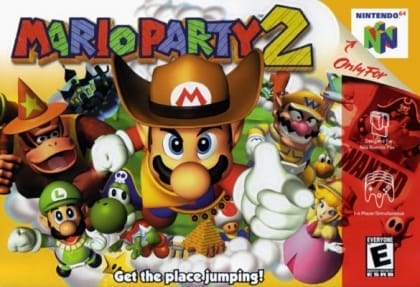
Mario Party 2
Mario Party 2 is a 1999 party video game developed by Hudson Soft and published by Nintendo for the Nintendo 64. The second game in the Mario Party series, it was released in Japan on December 17, 1999, North America on January 24, 2000, and in PAL regions on October 13, 2000. The game received mostly positive reviews from critics, who praised the improvements over the original, as well as the multiplayer and minigames, but criticized the lack of originality, while graphics received a mixed to positive response. Mario Party 2 features six playable characters: Mario, Luigi, Princess Peach, Yoshi, Wario, and Donkey Kong "Donkey Kong (character)") from the Mario series "Mario (franchise)") and the original Mario Party "Mario Party (video game)"), who can be directed as characters on various themed game boards. The objective is to earn the most stars of all players on the board; stars are obtained by purchase from a single predefined space on the game board.
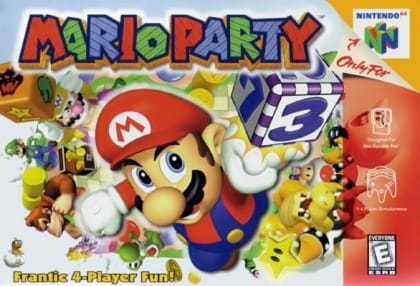
Mario Party
Mario Party is a 1998 party video game developed by Hudson Soft and published by Nintendo for the Nintendo 64. The game was targeted at a young audience. Mario creator Shigeru Miyamoto served as development supervisor. The game was released in Japan on December 18, 1998, North America on February 8, 1999, and in PAL regions on March 9, 1999. It received mostly positive critical reviews for its multiplayer mode, concept, and music; disapproval of its slow pacing; and mixed reviews of its graphics. It is the first installment in the Mario Party series and was followed by Mario Party 2 in 1999. The game received its first official re-release on the Nintendo Classics service in 2022. Content from this game was remastered as part of Mario Party: The Top 100 for the Nintendo 3DS, Mario Party Superstars and Super Mario Party Jamboree for the Nintendo Switch.
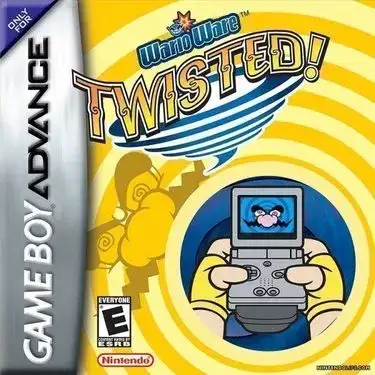
WarioWare: Twisted!
WarioWare: Twisted! is an actionvideo game developed by Nintendo and Intelligent Systems and published by Nintendo for the Game Boy Advance. It was released on October 14, 2004 in Japan; May 19, 2005 in Australia; and May 23, 2005 in North America. The third game in the WarioWare series and the seventh in the Wario series overall, Twisted! was the last Wario game to be released on a Game Boy family system, having been released after the launch of the Nintendo DS outside of Japan. Wario and his friend Dr. Crygor invent Game Boy Advance games and units that only react when tilted around. The game follows the WarioWare formula with a variety of games that last for only a few seconds. The cartridge utilizes a gyro sensor and players must spin and twist in order to play the games. Twisted! was critically acclaimed and has won numerous awards. Reviewers found the gyro sensor to be innovative and adding to the gameplay aspect.
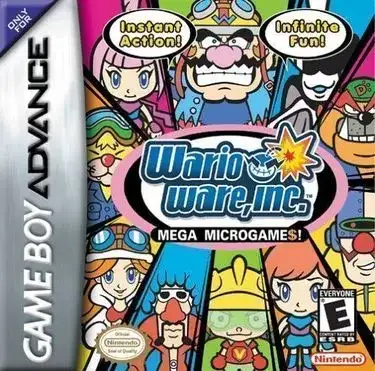
WarioWare, Inc.: Mega Microgames!
WarioWare, Inc.: Mega Microgames!, known as WarioWare, Inc.: Minigame Mania in PAL regions, is a 2003 action game developed and published by Nintendo for the Game Boy Advance. The debut title in the WarioWare series, the game is about rapid completion of "microgames", short minigames given to the player consecutively and with increasing speed per each game complete. The game's concept was inspired by the "Sound Bomber" mode of Mario Artist: Polygon Studio for the Nintendo 64DD. Many of the music tracks and sound effects (including Wario's voice clips) were recycled from Wario Land 4. The game was produced by Takehiro Izushi and directed by Hirofumi Matsuoka. Matsuoka was also the director of Polygon Studio. Mega Microgames! was released in 2003; in Japan in March, in North America and Europe in May and in Australia in June. Upon its release, WarioWare, Inc.
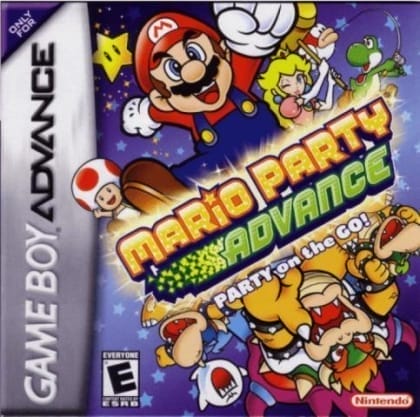
Mario Party Advance
Mario Party Advance is a 2005 party video game developed by Hudson Soft and published by Nintendo for the Game Boy Advance. It is the first handheld game in the Mario Party series and the seventh entry in the series overall. The game was released in Japan on January 13, 2005, North America on March 28, 2005, Europe on June 10, 2005, and Australia on September 15, 2005. The game was re-released on the Virtual Console for the Wii U in 2014. Mario Party Advance differs from other titles in the Mario Party series in its focus on one single-player mode rather than several multiplayer modes. However, traditional Mario Party gameplay is present in players choosing a character from the Mario franchise, moving around an interactive game board, and playing a variety of minigames. Upon release, the game received mixed reviews from critics, many of whom panned its single-player focus.
Browse our collection of 6 Arcade retro games, all playable instantly in your browser. No download required. Play classic games online in your browser and save your progress anytime.