Action rpg
14 games
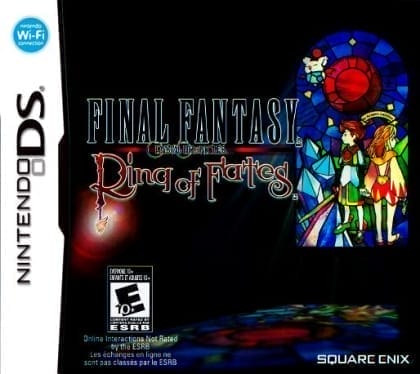
Final Fantasy Crystal Chronicles: Ring of Fates
Final Fantasy Crystal Chronicles: Ring of Fates is an action role-playing game for the Nintendo DS, developed and published by Square Enix. It is a prequel to Final Fantasy Crystal Chronicles for the GameCube. The game takes advantage of both the local wireless and Wi-Fi capabilities of the system and features voice acting.
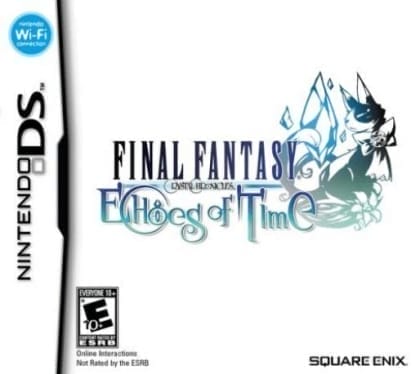
Final Fantasy Crystal Chronicles: Echoes of Time
Final Fantasy Crystal Chronicles: Echoes of Time is a Wii and Nintendo DS action role-playing game in the Final Fantasy Crystal Chronicles series developed by Square Enix. The game was released in Japan on January 29, 2009, in North America on March 24, in Europe on March 27, and in Australia on April 2.
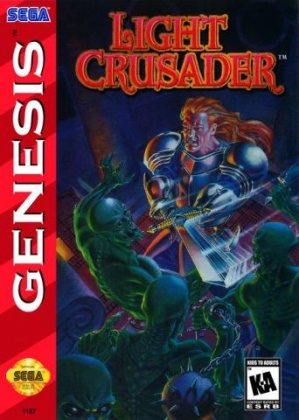
Light Crusader
Light Crusader is a 1995 action-adventure game developed by Treasure and published by Sega for the Sega Genesis. The game's plot follows a knight named Sir David as he attempts to rescue the kidnapped people of Greenrow. Played from an isometric perspective, the game sees the player, assuming the role of David, descending through a large dungeon by fighting enemies, solving puzzles, and traversing the environment in order to find the missing townsfolk. The final title developed by Treasure for the Genesis, the game was first announced in the spring of 1994 under the working title of Relayer. During development, the dev team sought to improve the operability and enjoyment of previous pseudo-3D titles by implementing an isometric viewpoint. However, due to programming difficulties stemming from the perspective, the game was delayed for over a year in order for the development team to fix the issues.
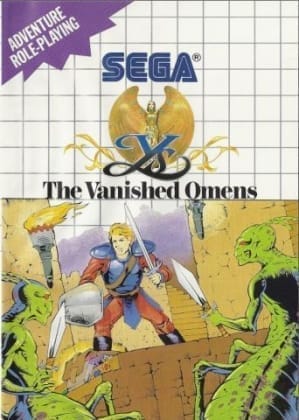
Ys: The Vanished Omens
Ys I: Ancient Ys Vanished, also known as Ys: Ancient Ys Vanished - Omen, Ys: The Vanished Omens, Ancient Land of Ys or simply Ys (Japanese title: イース), is a 1987 action role-playing game developed by Nihon Falcom. It is the first installment in the Ys series. Initially developed for the PC-88 by Masaya Hashimoto (director, programmer, designer) and Tomoyoshi Miyazaki (scenario writer), the game was soon ported to the Sharp X1, PC-98, FM-7, and MSX2 Japanese computer systems. Set in a land called Esteria, the story centers around the titular civilization called Ys, which had mysteriously vanished 700 years ago with only traces of its existence being kept within the game's six books. When it is prophesied that an impeding darkness would come to threaten Esteria, a young and adventurous warrior named Adol Christin is called forward to collect these six books to aid him in vanquishing the darkness.
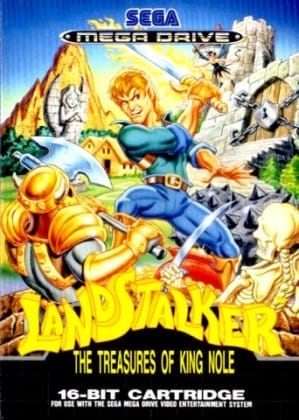
Landstalker: The Treasures of King Nole
Landstalker: The Treasures of King Nole is a 1992 action role-playing video game developed by Climax Entertainment and published by Sega for the Sega Genesis. The player takes on the role of the treasure hunter Nigel as they navigate a three-dimensional world through an isometric viewpoint, solving puzzles and fighting enemies. The game was a critical and commercial success. A spinoff called Lady Stalker: Challenge from the Past was released in Japan for the Super NES in 1995. A sequel was in the planning stages but was cancelled. Dark Savior and Alundra are considered spiritual successors. Nigel is a playable character in Time Stalkers. It has been re-released several times: on the Wii's Virtual Console in 2007, Steam in 2011, on the Sega Genesis Mini in 2019, and on the Nintendo Classics service in 2023.
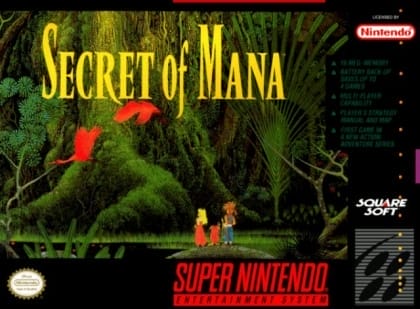
Secret of Mana
Secret of Mana, originally released in Japan as Seiken Densetsu 2, is a 1993 action role-playing game developed and published by Square for the Super Nintendo Entertainment System. It is the sequel to the 1991 game Seiken Densetsu, released in North America as Final Fantasy Adventure and in Europe as Mystic Quest. Secret of Mana was the first Seiken Densetsu title to be marketed as part of the Mana series "Mana (series)") rather than the Final Fantasy series. Set in a high fantasy universe, the game follows three heroes as they attempt to prevent an empire from conquering the world with the power of an ancient flying fortress. Rather than using a turn-based battle system like contemporaneous role-playing games, Secret of Mana features real-time battles with a power bar mechanic. The game has a unique Ring Command menu system, which pauses the action and allows the player to make decisions in the middle of battle.
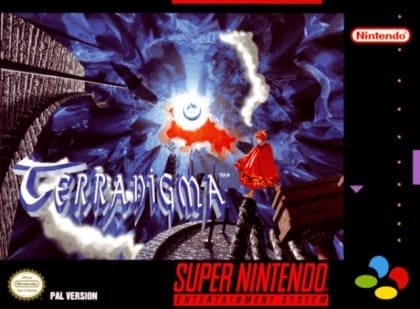
Terranigma
Terranigma is a 1995 action role-playing game developed by Quintet for the Super Nintendo Entertainment System (SNES), with manga artist Kamui Fujiwara acting as the character designer. The game tells the story of the Earth's resurrection by the hands of a boy named Ark, and its progress from the evolution of life to the present day. The game is the third entry in an unofficial trilogy of action role-playing games created by Quintet, also including Soul Blazer (1992) and Illusion of Gaia (1993). Terranigma was published in Japan by Enix on October 20, 1995, and in Europe and Australia by Nintendo starting in December 1996; the game was not released in North America due to Enix having already closed its U.S. branch by the time localization had finished, and has not been re-released due to complicated issues relating to its rights. The game has been met with critical acclaim for its presentation, gameplay, and story, although it has been criticized for its difficulty.
Final Fantasy Adventure
Final Fantasy Adventure, known in Japan as Seiken Densetsu: Final Fantasy Gaiden or simply Seiken Densetsu, and later released in Europe as Mystic Quest, is a 1991 action role-playing game developed and published by Square for the Game Boy. It is a spin-off of the Final Fantasy series and the first game in the Mana series. Originally developed under the name Gemma Knights, it features gameplay roughly similar to that of the original The Legend of Zelda "The Legend of Zelda (1986 video game)"), but with the addition of role-playing statistical elements. A remake, Sword of Mana, was released for the Game Boy Advance in 2003, changing the plot and many gameplay aspects. A second remake was released on mobile phones in Japan which improved the graphics and music of the original version. A third remake, Adventures of Mana, was released for iOS, Android, and PlayStation Vita on February 4, 2016.
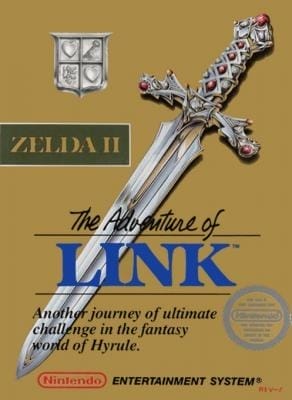
Zelda II: The Adventure of Link
Zelda II: The Adventure of Link is a 1987 action role-playing game developed and published by Nintendo. It is the second installment in the Legend of Zelda series, and was released in Japan for the Famicom Disk System on January 14, 1987, less than a year after the Japanese release and seven months before the North American release of the original The Legend of Zelda. Zelda II was released in North America and the PAL region for the Nintendo Entertainment System in late 1988, almost two years after its initial release in Japan. The Adventure of Link is a direct sequel to the original The Legend of Zelda, again involving the protagonist Link, on a quest to save Princess Zelda, who has fallen under a sleeping spell. The game's emphasis on side-scrolling platform and role-playing elements marked a significant departure from its top-down predecessor.
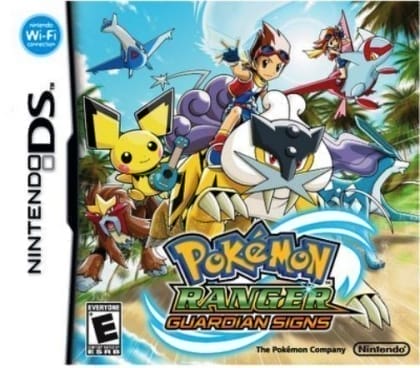
Pokémon Ranger: Guardian Signs
Pokémon Ranger: Guardian Signs (ポケモンレンジャー 光の軌跡, Pokemon Renjā Hikari no Kiseki; lit. "Pokémon Ranger: Tracks of Light") is an action role-playingvideo game developed by Creatures Inc. and published by The Pokémon Company in Japan and by Nintendo worldwide for the Nintendo DS. It is the sequel to Pokémon Ranger and Pokémon Ranger: Shadows of Almia, and the third installment in the Pokémon Ranger series. It was released in Japan on March 6, 2010, in North America on October 4, 2010, and in Europe on November 5, 2010, and was later released on the European Wii U Virtual Console on June 9, 2016. Gameplay revolves around capturing Pokémon with the Capture Styler by drawing circles around them. The game received mixed or average reviews, holding a score of 68 on Metacritic and 69% on GameRankings.
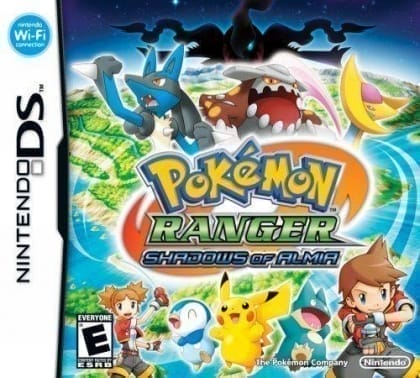
Pokémon Ranger: Shadows of Almia
Pokémon Ranger: Shadows of Almia (ポケモンレンジャー バトナージ, Pokemon Renjā Batonāji; lit. "Pokémon Ranger: Vatonage") is an action role-playing video game developed by Creatures Inc. and published by The Pokémon Company and Nintendo for the Nintendo DS video game console. It was announced in the January 2008 issue of CoroCoro and was released in Japan on March 20, 2008. It was announced at E3 2008 that the game would be released in the United States under the title Shadows of Almia on November 10, 2008. It was announced on September 25 that the game would be released in Europe under the title Shadows of Almia on November 21, 2008. It was released on the European Wii U Virtual Console on June 9, 2016, and was released on the North American Wii U Virtual Console on August 4, 2016. The game features 270 Pokémon, including new Pokémon which were not featured in the original Pokémon Ranger, from Pokémon Diamond and Pearl. The game utilized the Nintendo Wi-Fi Connection to download new missions.
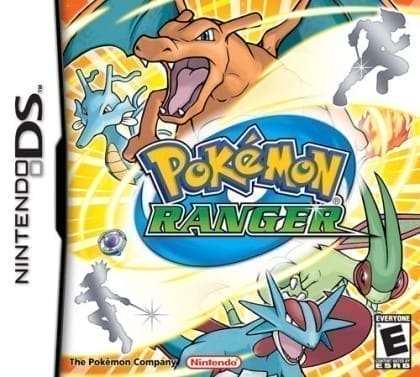
Pokémon Ranger
This game is a spin-off of the mainline series set in the Fiore region, featuring a new gameplay format and storyline. The battle system and capturing mechanics are different. Rather than conquering Pokémon Gyms, the Elite Four, and Champion, the player completes missions to advance the plot. It is compatible with Pokémon Diamond and Pearl, HeartGold and SoulSilver, and Platinum, allowing players to transfer the mythical PokémonManaphy’s egg to those games. Upon release, Pokémon Ranger received mixed reviews. It was praised for its lengthy mission-based plot but received various criticisms, such as for its use of player-produced sound as a game mechanic.
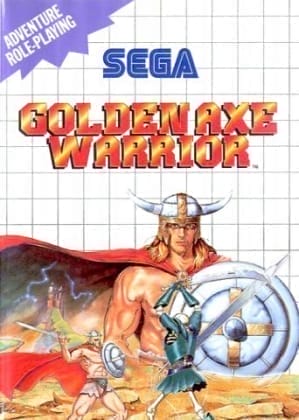
Golden Axe Warrior
Golden Axe Warrior is a 1991 action-adventurevideo game developed and published by Sega for the Master System. A spin-off "Spinoff (media)") of the Golden Axe series, the player controls a male human warrior in the fictional country of Firewood as they try to avenge the death of their parents by defeating the tyrant Death Adder and recovering nine missing crystals. In a deviation from previous Golden Axe titles, the game incorporates gameplay similar to The Legend of Zelda "The Legend of Zelda (video game)"). The player navigates an overworld and dungeons from a top-down perspective, defeating enemies, collecting items and discovering secrets. Traditional role-playing game elements, such as exploring towns, are also implemented. Golden Axe Warrior is often subject to mixed critical reception, due to its similarities to The Legend of Zelda and Zelda II: The Adventure of Link.
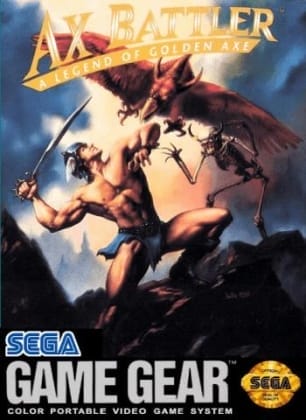
Ax Battler: A Legend of Golden Axe
Ax Battler: A Legend of Golden Axe is a 1991 action-adventuregame developed by Aspect Co. and published by Sega for the Game Gear. The game is a spin-off of the popular Golden Axe series. The protagonist is Ax Battler, the male barbarian character from the original Golden Axe "Golden Axe (video game)") game. The series' primary villain, Death Adder, is laying siege to the entire world. He steals the Golden Axe, a magical weapon that grants its wielder unimaginable power, from its hiding place in Firewood Castle. To prevent Death Adder using its powers to destroy the world, the king of Firewood Castle calls upon the help of his strongest warrior: Ax Battler. During his journey, Ax Battler must battle through the following "special landmarks": The Spooky Cave, Peninsula Tower, Turtle's Back, Death Pyramid, Evil Cave, Maze Wood, Gayn Mountain, Eagle's Back, Ice Cliffs and Death Adder's Castle.
Browse our collection of 14 Action rpg retro games, all playable instantly in your browser. No download required. Play classic games online in your browser and save your progress anytime.